East Germany’s 1953 uprising: How workers defied a brutal regime
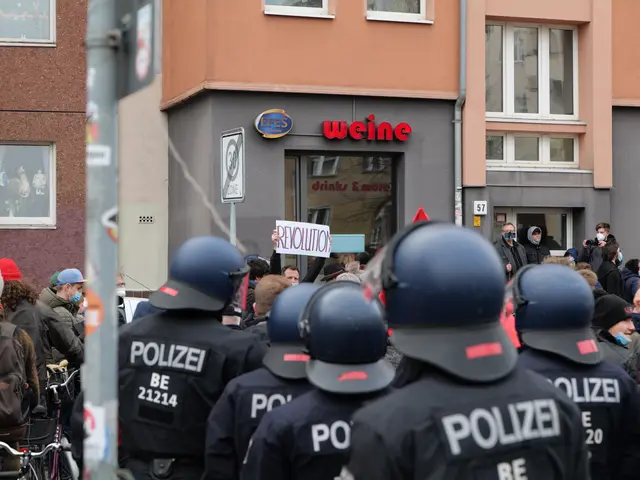
On 17 June 1953, hundreds of thousands of people in East Germany rose up against the SED regime. The protests began as a response to increased work demands but quickly grew into a wider rebellion against oppression. Though violently crushed, the uprising remains a powerful symbol of resistance against dictatorship.
The unrest started when workers in East Berlin took to the streets after the government raised production quotas. Their anger soon spread across the country, with crowds demanding political reforms and better living conditions. The regime responded with force, using Soviet tanks and troops to suppress the demonstrations.
The 17 June uprising stands as a defining moment in German history, marking a bold stand against injustice. While no longer a public holiday, its legacy continues through education and remembrance. The day serves as both a warning and an inspiration, reminding society of the enduring fight for freedom.
Read also:
- American teenagers taking up farming roles previously filled by immigrants, a concept revisited from 1965's labor market shift.
- Weekly affairs in the German Federal Parliament (Bundestag)
- Landslide claims seven lives, injures six individuals while they work to restore a water channel in the northern region of Pakistan
- Escalating conflict in Sudan has prompted the United Nations to announce a critical gender crisis, highlighting the disproportionate impact of the ongoing violence on women and girls.