Eastern Germany's fuel crisis pushes drivers across borders for cheaper gas
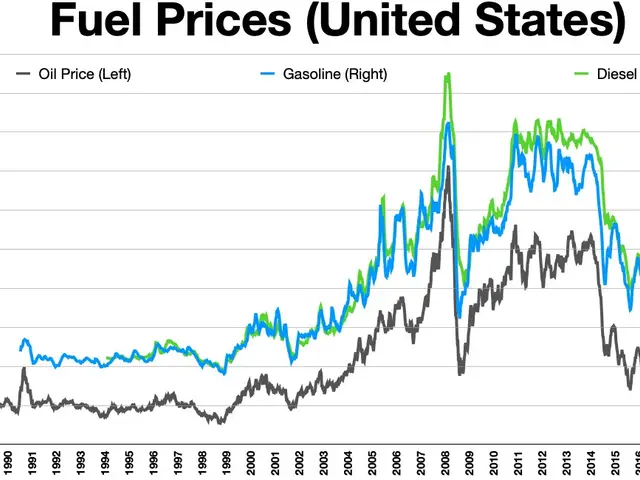
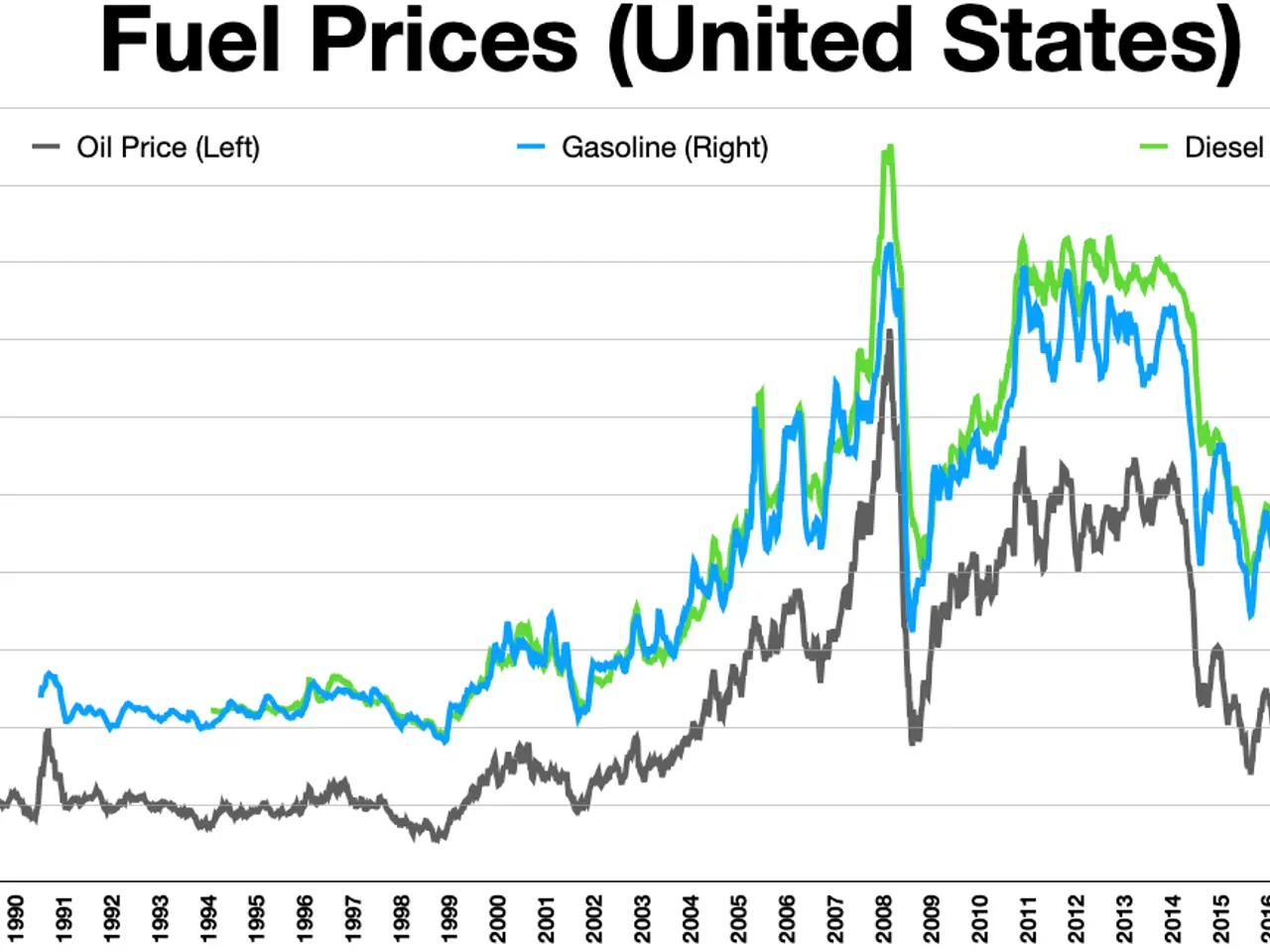
Fuel prices in eastern Germany have climbed sharply, leaving drivers frustrated and gas station operators under pressure. With premium gasoline now costing over €2 per litre, many are rethinking how they travel or where they fill up their tanks.
The price gap between Germany and neighbouring Poland has widened to as much as 40 to 45 cents per litre for premium fuel. This disparity is pushing more drivers to cross the border for cheaper options. Local station operators, however, have no say in pricing—oil companies set the rates, leaving them unable to offer discounts.
In areas with lower incomes, some motorists are now buying fuel in small amounts, sometimes just a few euros' worth at a time. Others have started switching to buses and trains to cut costs. If prices stay high, fuel tourism to Poland and the Czech Republic is likely to grow even further.
Recent price hikes have seen Super E10 and diesel exceed €2 per litre in Germany. While exact figures for Poland remain unclear, the steep difference is already driving changes in how people refuel and travel.
The rising cost of fuel is forcing drivers in eastern Germany to adapt, whether by buying less, travelling differently, or seeking cheaper options abroad. With no immediate relief in sight, the trend of cross-border fuel shopping and reduced car use looks set to continue.
Read also:
- American teenagers taking up farming roles previously filled by immigrants, a concept revisited from 1965's labor market shift.
- Weekly affairs in the German Federal Parliament (Bundestag)
- Landslide claims seven lives, injures six individuals while they work to restore a water channel in the northern region of Pakistan
- Escalating conflict in Sudan has prompted the United Nations to announce a critical gender crisis, highlighting the disproportionate impact of the ongoing violence on women and girls.