Ecoright's 60% revenue surge proves eco-friendly products are now mainstream
Ecoright, a sustainable lifestyle brand, is expanding rapidly after strong revenue growth in recent years. Founded in 2019 by IIM Calcutta alumni Nikita Barmecha and Udit Sood, the company now aims to make eco-friendly products a standard choice rather than a niche purchase. Its focus on affordability and functionality has helped sales climb steadily.
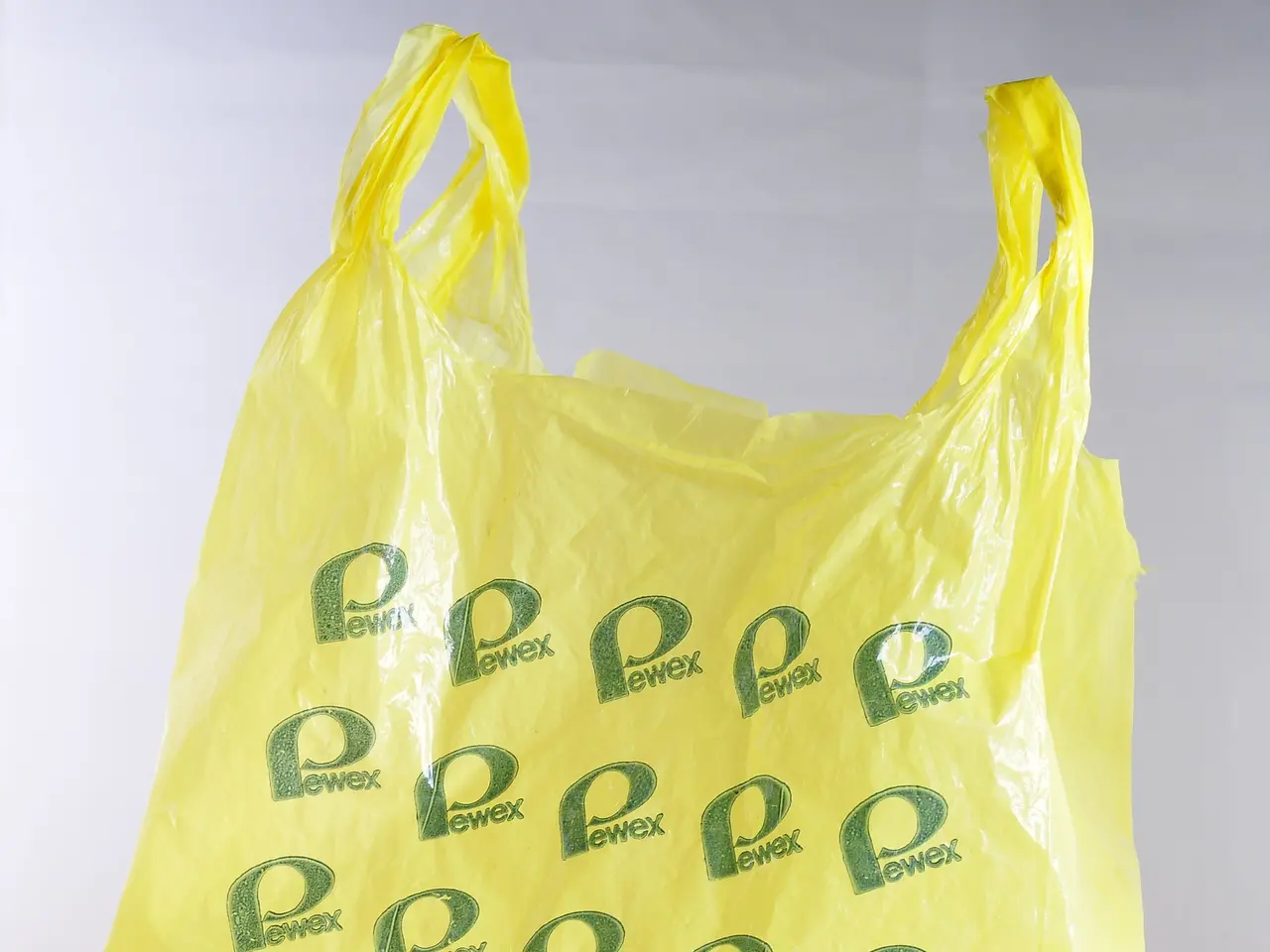
The brand began with simple tote bags but now offers over 300 products across multiple bag categories. Materials like organic cotton, jute, and recycled plastic bottles form the core of its designs, blending sustainability with modern style.
Revenue jumped by roughly 60% from ₹8.82 Cr in FY24 to ₹14.08 Cr in FY25. By November 2025, Ecoright had already recorded ₹11.85 Cr in sales, putting it on course for ₹18-19 Cr in FY26. Marketplaces drive 53% of its revenue, while quick commerce accounts for 27% and its own website 16%.
In 2025, Ecoright introduced 60-minute delivery in Bengaluru, doubling quick commerce revenue while cutting logistics costs by 20-25%. Looking ahead, the company plans to expand its product lines, boost corporate gifting, and enhance its direct-to-consumer platform. It also intends to enter new lifestyle segments and explore international markets alongside offline retail growth.
Ecoright's revenue growth reflects its push to normalise sustainable choices in daily life. With plans to broaden its collections and strengthen both B2B and B2C channels, the brand is positioning itself for further expansion. The focus remains on making eco-friendly products accessible without compromising on design or affordability.
Read also:
- Federal Funding Supports Increase in Family Medicine Residency Program, Focusing on Rural Health Developments
- Potential Role of DHA in Shielding the Brain from Saturated Fats?
- Alternative Gentle Retinoid: Exploring Bakuchiol Salicylate for Sensitive Skin
- Hanoi initiates a trial program for rabies control, along with efforts to facilitate the transition from the dog and cat meat trade industry.