A Technical Hitch Causes That Funky Smell: EasyJet Plane Forces Emergency Landing in Munich
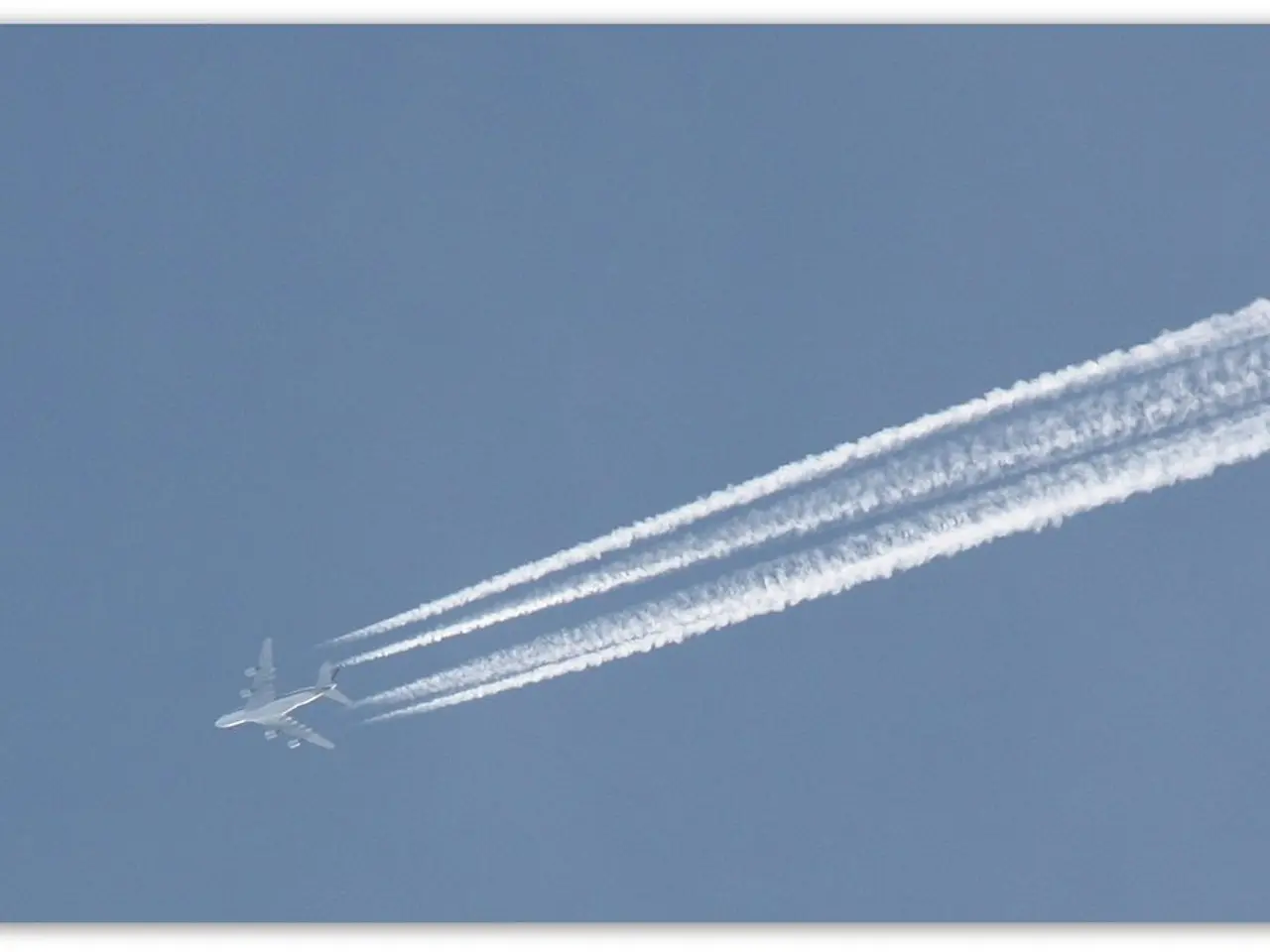
Aeroplane emitting smoke signals: Urgent landing required in Munich airport - Emergency Landing: Aircraft Forced to Touch Down in Munich
Hey there! Let's talk about an interesting turn of events that happened with an EasyJet flight recently.
A passenger aircraft, taking off from London's swanky Gatwick Airport, was bound for the picturesque Greek island of Santorini. But a strange smell in the cabin forced the pilots to put their emergency protocols into action, as reported by the German Press Agency. The culprit? A technical malfunction detected mid-flight.
EasyJet eventually confirmed that passengers had complained about a smoke-like odor filling the cabin air, but no actual smoke was visible. The pilots issued a priority message, steering clear of a distress call with the code "Mayday," indicating immediate danger.
The plane was diverted to Munich Airport, landing safely under the watchful eyes of emergency services, which EasyJet described as a "routine and precautionary measure." The passengers subsequently resumed their journey to Santorini that very evening, completing it on a replacement aircraft.
As for the specific technical flaw causing the funky odor in the cabin, it hasn't been disclosed. An investigation is likely underway, but no official details have surfaced at the moment. It's all part of the thrill, right?
- Locations: Munich, United Kingdom, Greece, Santorini, Bavaria
- Airlines: EasyJet, German Press Agency
- Aviation: Passenger plane, Airbus A320, Emergency landing, Smoke smell
- Travel: London Gatwick Airport, Air travel, Airplane, Destination
In the realm of aviation industry, one might wonder how a community policy could be applied in such situations. For instance, it could include procedures for vocational training for emergency response teams, enhancing their skills in handling unexpected incidents like a plane's emergency landing.
Moreover, the financial consequences of such events can be significant, especially in terms of compensation for disrupted travel and the cost of rerouting flights. The transportation sector, therefore, could benefit from robust insurance policies, providing some level of financial security in these challenging circumstances.