Emergency landing due to battery fire on Delta Air Lines aircraft
A battery fire on a Delta Air Lines Boeing 757 flight from Atlanta to Fort Lauderdale has prompted an investigation by the Federal Aviation Administration (FAA). Flight 1334, carrying 191 passengers, experienced smoke in the cabin, but no injuries were reported.
The smoke was likely from a burning personal battery belonging to a customer, according to the FAA. Flight attendants worked diligently to extinguish the fire, and the pilots followed emergency procedures, successfully diverting the flight to Fort Myers, Florida, on Monday morning. The smoke and fire were isolated in a fireproof containment bag.
The FAA's guidelines for carrying lithium-ion batteries during air travel are focused on minimising fire risk. Installed batteries in devices can be carried without restriction, provided the devices are properly secured, powered off, and show no visible damage such as swelling or leakage. However, spare lithium-ion batteries must be carried only in carry-on luggage, not in checked baggage, due to the significant fire risk if a battery malfunctions or overheats in the cargo hold.
Small batteries (100 watt-hours or less) can be carried without limit, but each battery must be protected against short circuits, such as by keeping them in their original packaging, covering terminals, or using protective sleeves. Medium-sized batteries (101–160 watt-hours) are limited to two per person, with the same protection requirements. Large batteries (over 160 watt-hours) are not allowed without full hazardous materials compliance.
Power banks and similar devices, which often contain lithium-ion batteries, must also be carried in carry-on bags. Damaged or low-quality devices pose higher risks and should be purchased only from reputable manufacturers. Spare lithium-ion batteries, whether loose, in chargers, or in power banks, are forbidden in checked bags to reduce the risk of undetected battery fires.
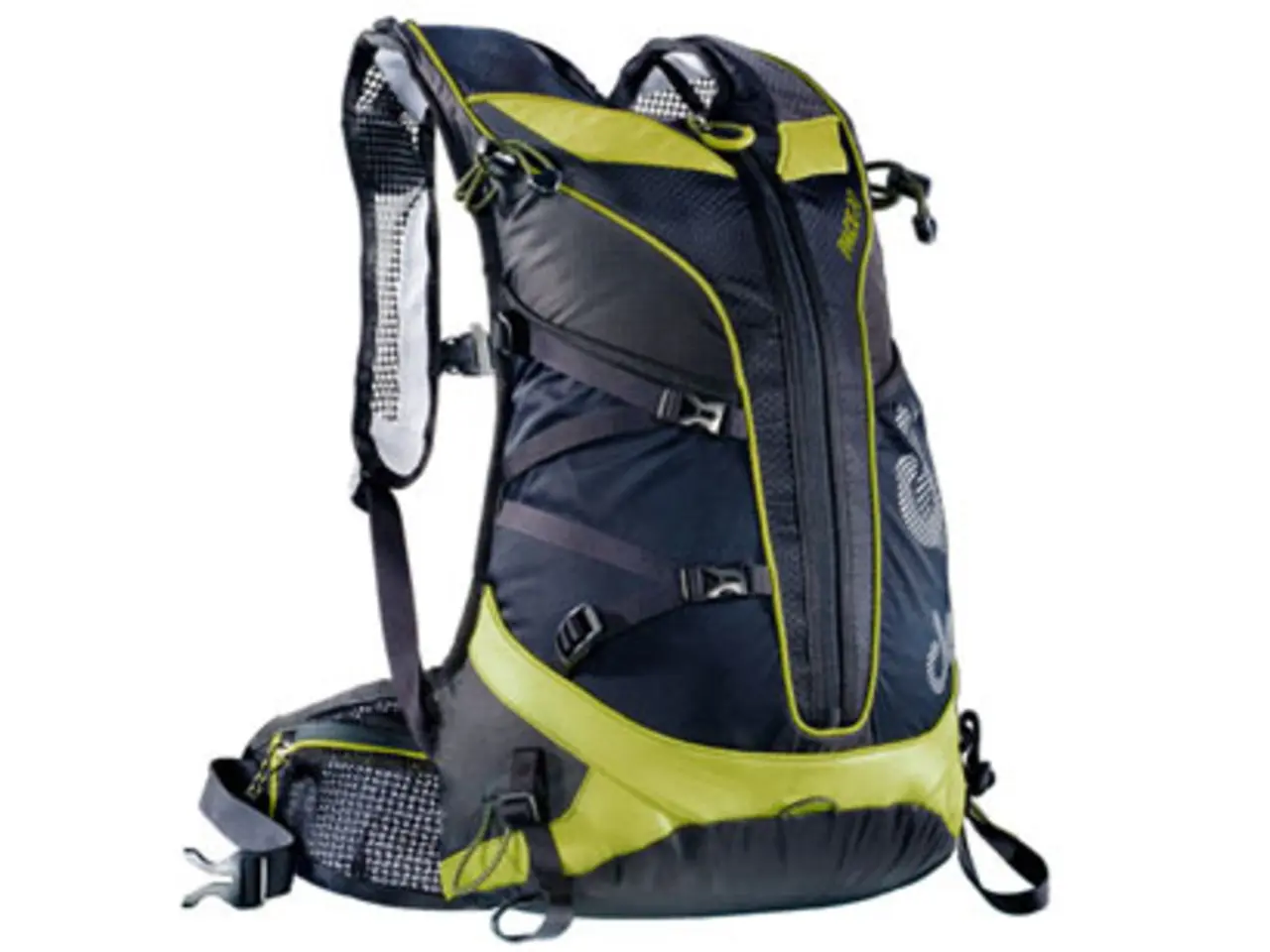
Delta Air Lines has apologised for the delay in the travel plans of customers due to the incident. A Delta spokesperson confirmed the incident and provided a statement about the situation, expressing gratitude for the quick actions of the crew. The burning lithium battery has been contained in the backpack it was found in. No active fire is present in the cabin.
[1] Federal Aviation Administration. (n.d.). Carriage of Spare Lithium Batteries. Retrieved from https://www.faa.gov/hazmat/packsafe/spare_lithium_batteries/ [2] Federal Aviation Administration. (n.d.). Carriage of Lithium Batteries. Retrieved from https://www.faa.gov/hazmat/packsafe/lithium_batteries/ [4] Federal Aviation Administration. (n.d.). Carriage of Lithium Ion Batteries. Retrieved from https://www.faa.gov/hazmat/packsafe/lithium_ion_batteries/
- The Federal Aviation Administration (FAA) emphasizes the importance of following guidelines for carrying lithium-ion batteries during air travel, particularly in light of the recent aviation accident involving a battery fire on a Delta Air Lines flight.
- In response to the incident, Delta Air Lines has acknowledged the inconvenience caused to passengers due to the delay in travel plans and expressed gratitude for the quick actions of the crew that contained the fire.
- Going forward, it is crucial for passengers to properly secure, power off, and protect lithium-ion batteries, whether they are installed in devices, in chargers, or in power banks, to minimize the risk of fires during transportation.