Establish Safety Measures at Airports: Implement Buffer Zones for Aviation Security
The gut-wrenching crash of Air India's Boeing Dreamliner, AI 171, has sent shockwaves throughout India and beyond, leaving an air of despair and bewilderment in its wake. Graphic images of the wreckage and harrowing videos of the aircraft in flames have raised concerns among travelers, creating sky-high anxiety levels even during routine flight operations like emergency landings.
The government has set up a high-level panel led by Union Home Secretary Govind Mohan to investigate the accident and provide recommendations within a timeline of 90 days. However, the delay in starting this investigation raises concerns about the possibility of expedited findings through a one-person probe.
The catastrophic accident highlights the need to identify the underlying causes—be it technical issues, human error, adverse weather conditions, or a combination thereof. The most troubling aspect is that the crash occurred in a densely populated area outside the airport, potentially limiting the possibility of a last-ditch effort to save lives through a crash landing.
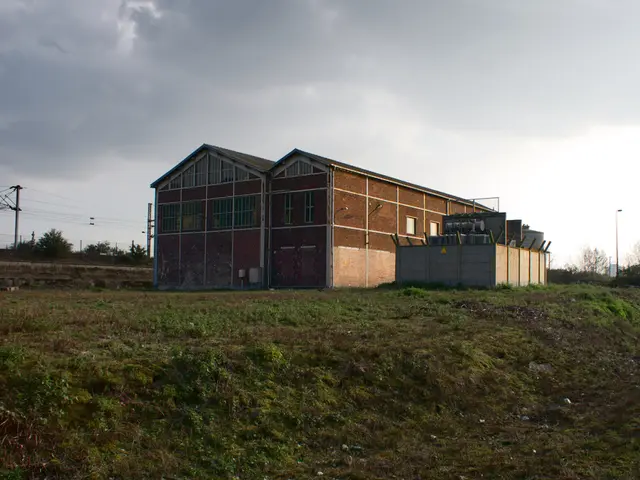
In light of this tragedy, several safety improvements have been proposed. For example, the India Directorate General of Civil Aviation (DGCA) has intensified safety inspections on Air India’s Boeing 787-8/9 fleet, focusing on any technical discrepancies contributing to the accident. Additionally, airports may be required to establish dedicated crash-landing zones, clear of residential or densely populated areas, to mitigate casualties in case of emergencies.
Aviation authorities must also pay attention to the psychological health of pilots, as the high-stress environment of emergencies can have drastic impacts on their well-being. Support systems and regular psychological evaluations can help detect and address any issues that might affect pilot performance in critical situations.
A comprehensive investigation by the Aircraft Accident Investigation Bureau (AIB) will likely reveal more information regarding this crash, and help identify any procedural lapses and advocate for systemic improvements. Increased transparency and clear communication are crucial to build public trust and facilitate collective learning to prevent similar tragedies in the future.
It's crucial to remember that aviation is a critical pillar in the development of any nation, and safety measures must be stringently enforced to earn and maintain the trust of citizens. Let's work towards making skies safer for everyone. #AirSafety #AccidentInvestigation #PilotSupport #TravelSafety #CrashLandingZones #FlightSafety #AviationDevelopment
The financial sector might consider investing in the aviation industry's safety infrastructure to minimize potential losses. This could involve funding for the establishment of crash-landing zones in strategic locations, away from populated areas.
The incident also sheds light on the importance of a robust industry-wide finance system, to ensure timely maintenance and repair of aircraft, reducing the likelihood of technical issues that could lead to catastrophic accidents.