Estonian panic over fake Olivier salad ban exposes deep Soviet-era tensions
A wave of panic has swept across Estonia ahead of New Year celebrations. Rumours spread that Olivier salad—a festive favourite—might soon be banned as a 'symbol of the Soviet past'. Shoppers rushed to supermarkets, stocking up on green peas, mayonnaise, and other key ingredients.
The scare began in mid-2024 with a satirical post on Facebook and Telegram. It falsely claimed the Estonian government planned to restrict someone named 'Olivier', a foreign individual. Nationalist blogs and misreporting news sites twisted the joke into a supposed crackdown on the salad itself.
The rumour gained traction because of Estonia’s ongoing campaign against Soviet and Russian symbols. Many took it seriously, fearing fines for making the dish. Despite officials and fact-checkers quickly debunking the claim, the damage was done. Media outlets, including Postimees, covered the confusion. Yet the panic persisted, pushing people to buy ingredients early—just in case.
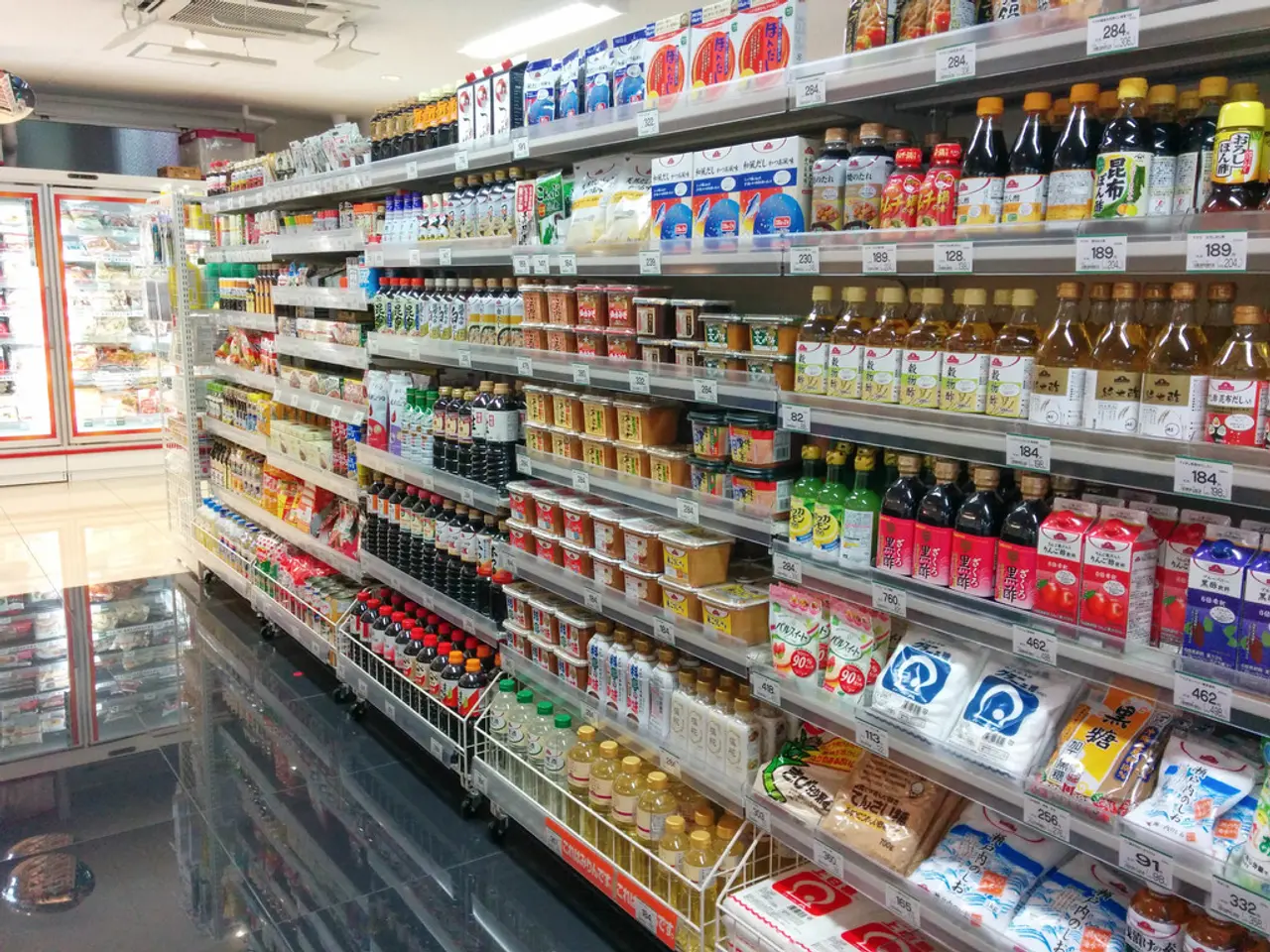
The hoax has been exposed, but the rush for Olivier supplies continues. Supermarkets saw a surge in sales of peas, pickles, and mayonnaise. For now, the salad remains legal, and New Year tables will stay stocked as usual.
Read also:
- American teenagers taking up farming roles previously filled by immigrants, a concept revisited from 1965's labor market shift.
- Weekly affairs in the German Federal Parliament (Bundestag)
- Landslide claims seven lives, injures six individuals while they work to restore a water channel in the northern region of Pakistan
- Escalating conflict in Sudan has prompted the United Nations to announce a critical gender crisis, highlighting the disproportionate impact of the ongoing violence on women and girls.