Estonian police photograph protester's ID without clear explanation at Tallinn rally
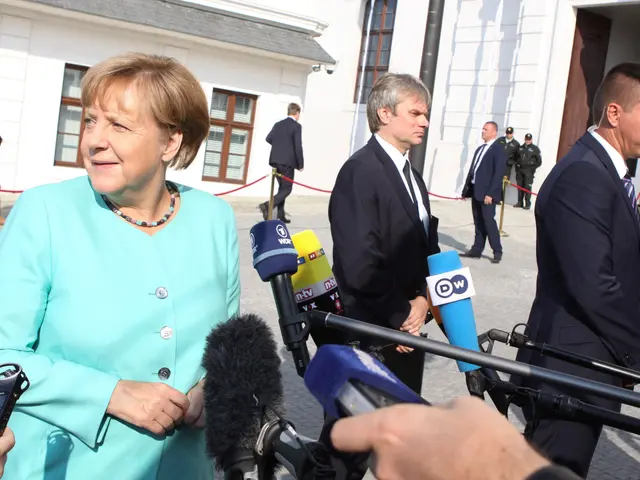
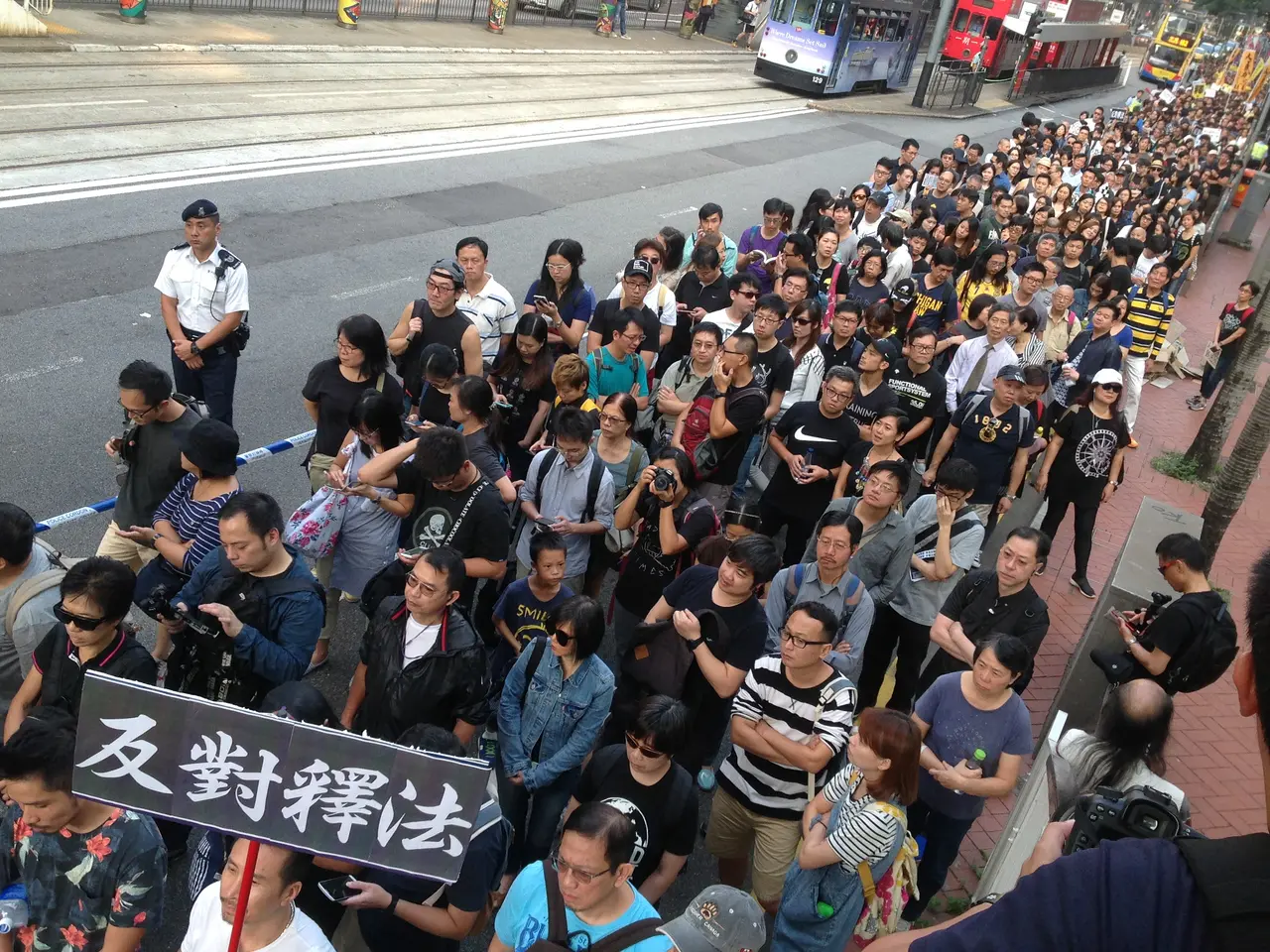
A protester near Tallinn's Kadriorg Palace was stopped by plainclothes officers during a demonstration. The individual was asked to show their ID, which was then photographed. No explanation was provided for the check, raising questions about the process.
The Police and Border Guard Board (PPA) holds the authority to request and photograph identification at public protests. Officers may verify documents if they suspect a threat, need to assess risks, or address disturbances. The Internal Security Service (ISS) typically does not conduct these checks, leaving the task to the PPA.
To speed up verification, officers take a photo of the ID and run it through a database. The PPA insists that such images are not stored unless a violation is recorded. If no offence is found, the photos are deleted.
The agency has clarified that it does not collect data on protesters or retain images for tracking participants. However, concerns about data protection have grown in Estonia, particularly around the use of speed cameras and surveillance methods.
No official figures exist on how often police or border guards check IDs or photograph documents at protests. The lack of transparency has left some questioning the frequency and necessity of these measures.
The incident near Kadriorg Palace highlights ongoing debates about privacy and policing at public gatherings. While the PPA maintains that its methods are for security and not surveillance, the absence of clear records leaves uncertainties. Protesters and rights groups continue to monitor how identification checks are applied in practice.
Read also:
- American teenagers taking up farming roles previously filled by immigrants, a concept revisited from 1965's labor market shift.
- Weekly affairs in the German Federal Parliament (Bundestag)
- Landslide claims seven lives, injures six individuals while they work to restore a water channel in the northern region of Pakistan
- Escalating conflict in Sudan has prompted the United Nations to announce a critical gender crisis, highlighting the disproportionate impact of the ongoing violence on women and girls.