Estonian summer camps face VAT chaos ahead of school break
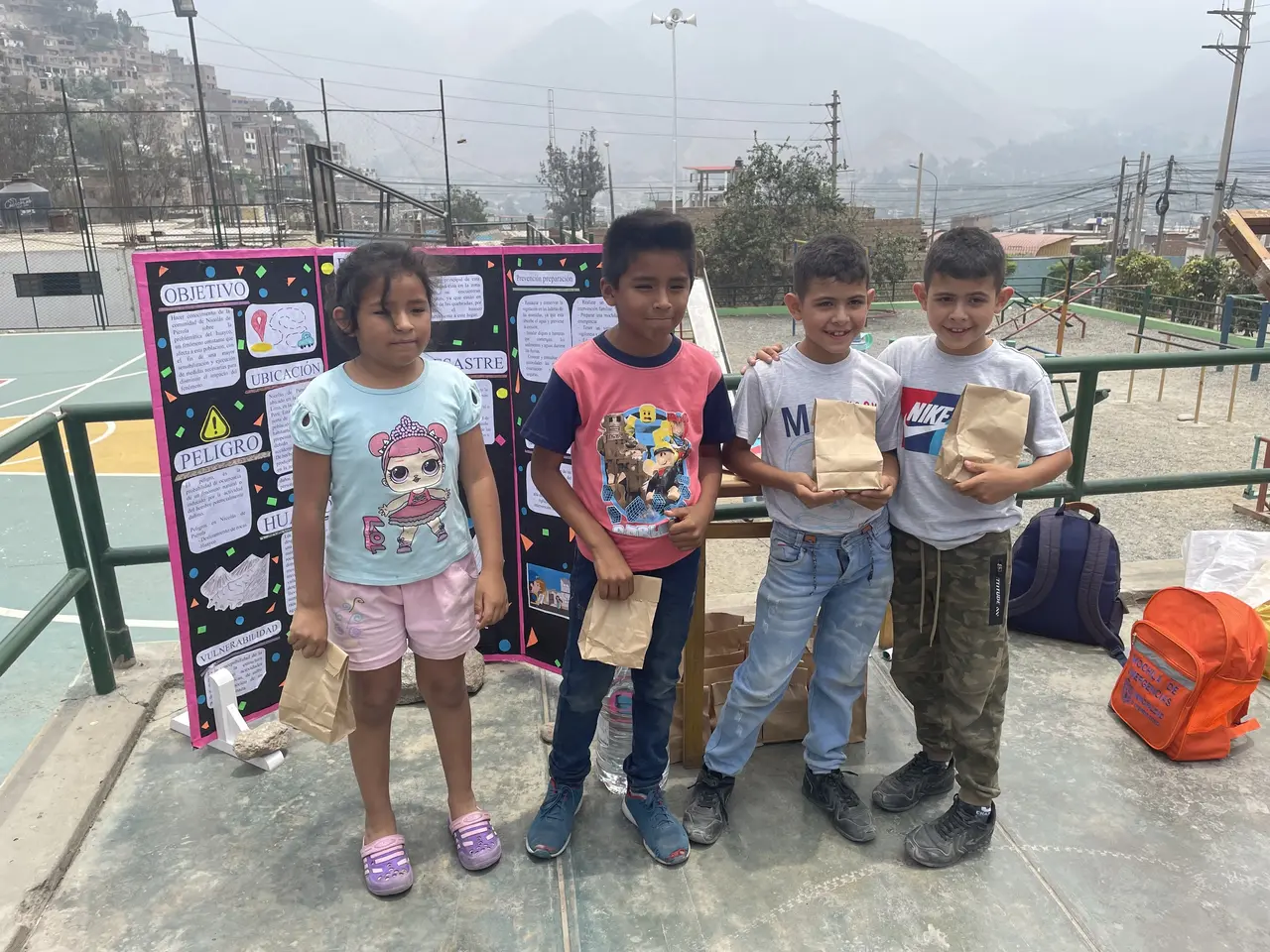
Children’s camp organisers in Estonia are facing uncertainty over VAT rules just as schools prepare for summer break. Around 30,000 young people attend these camps each year, with daily fees averaging €50 per camper. A recent shift in tax policy has left many scrambling for clarity before the season begins. For years, camps were widely treated as VAT-exempt. But the Estonian Tax and Customs Board (MTA) now insists they should be taxed unless run by municipalities as non-commercial services at or below cost. The dispute hinges on whether camps qualify as educational services or recreational activities.
Prime Minister Kristen Michal and Education Minister Kristina Kallas have stepped in to address the issue. They pledged to resolve the matter before summer, ensuring camps can operate without last-minute disruptions. A draft bill is already underway, with officials and the MTA reaching an agreement in principle. The proposed change would redefine camps as non-formal education, securing their tax-exempt status. Organisers, however, remain worried about the timing. Many have already begun planning for summer, and unexpected tax burdens could force adjustments to budgets or camper fees.
If the bill passes, camps will retain their VAT-free status under the new classification. The amendment aims to provide long-term clarity for organisers and families. For now, attention turns to whether the legal update will arrive in time for the upcoming season.
Read also:
- American teenagers taking up farming roles previously filled by immigrants, a concept revisited from 1965's labor market shift.
- Weekly affairs in the German Federal Parliament (Bundestag)
- Landslide claims seven lives, injures six individuals while they work to restore a water channel in the northern region of Pakistan
- Escalating conflict in Sudan has prompted the United Nations to announce a critical gender crisis, highlighting the disproportionate impact of the ongoing violence on women and girls.