EU and Indo-Pacific ministers meet as WTO reform push intensifies
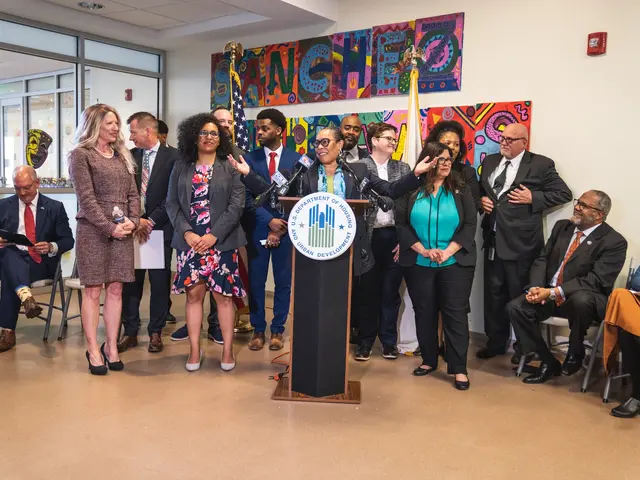
Ministers from the EU and Indo-Pacific trade bloc are gathering in Melbourne this week for their first official joint dialogue. The talks come as Britain’s Ambassador Kumar Iyer pushes for major reforms to the World Trade Organization (WTO). His proposals aim to modernise the rulebook and address long-standing issues in the global trading system.
Iyer has stressed that any new alliances, such as the proposed 'rules-based' trade alliance between the EU and Indo-Pacific nations, must not undermine the WTO’s central role. He also wants to avoid framing the EU-Indo-Pacific partnership as a response to any single political figure or administration.
The WTO has faced growing challenges in recent years. The U.S. has blocked new appointments to its appeals court, effectively paralysing the dispute settlement process. This deadlock has left trade conflicts unresolved and weakened the organisation’s authority.
Iyer has criticised businesses for losing interest in the WTO, which has led to its declining influence in global politics. His reform plans include overhauling the consensus-based enforcement system, which he argues is no longer fit for purpose. Despite these struggles, he insists that no alternative alliance, such as the proposed EU-Indo-Pacific trading view or global entry, can replace the WTO as the backbone of international trade.
The idea of a broader 'rules-based' trade alliance between the EU and Indo-Pacific nations was first suggested by European Commission President Ursula von der Leyen in June. She proposed deeper cooperation with members of the CPTPP during EU-U.S. trade discussions. However, the U.K.’s involvement in such a globe-spanning bloc remains unclear, as no formal expansion talks have taken place.
With the WTO’s next ministerial conference approaching, negotiations will cover key areas like e-commerce, agriculture, and fisheries. Iyer remains focused on ensuring the organisation adapts to modern trade demands while maintaining its core functions.
The Melbourne talks mark a step toward closer EU-Indo-Pacific cooperation, but Iyer’s priority remains WTO reform. His proposals seek to restore the organisation’s effectiveness and prevent further fragmentation in global trade rules. The outcome of these discussions could shape how future disputes are resolved and how trade alliances, such as the proposed EU-Indo-Pacific trading view or global entry, evolve.
Read also:
- American teenagers taking up farming roles previously filled by immigrants, a concept revisited from 1965's labor market shift.
- Weekly affairs in the German Federal Parliament (Bundestag)
- Landslide claims seven lives, injures six individuals while they work to restore a water channel in the northern region of Pakistan
- Escalating conflict in Sudan has prompted the United Nations to announce a critical gender crisis, highlighting the disproportionate impact of the ongoing violence on women and girls.