EU Court to Decide Whether Vaccine Contract Negotiators' Names Must Be Public
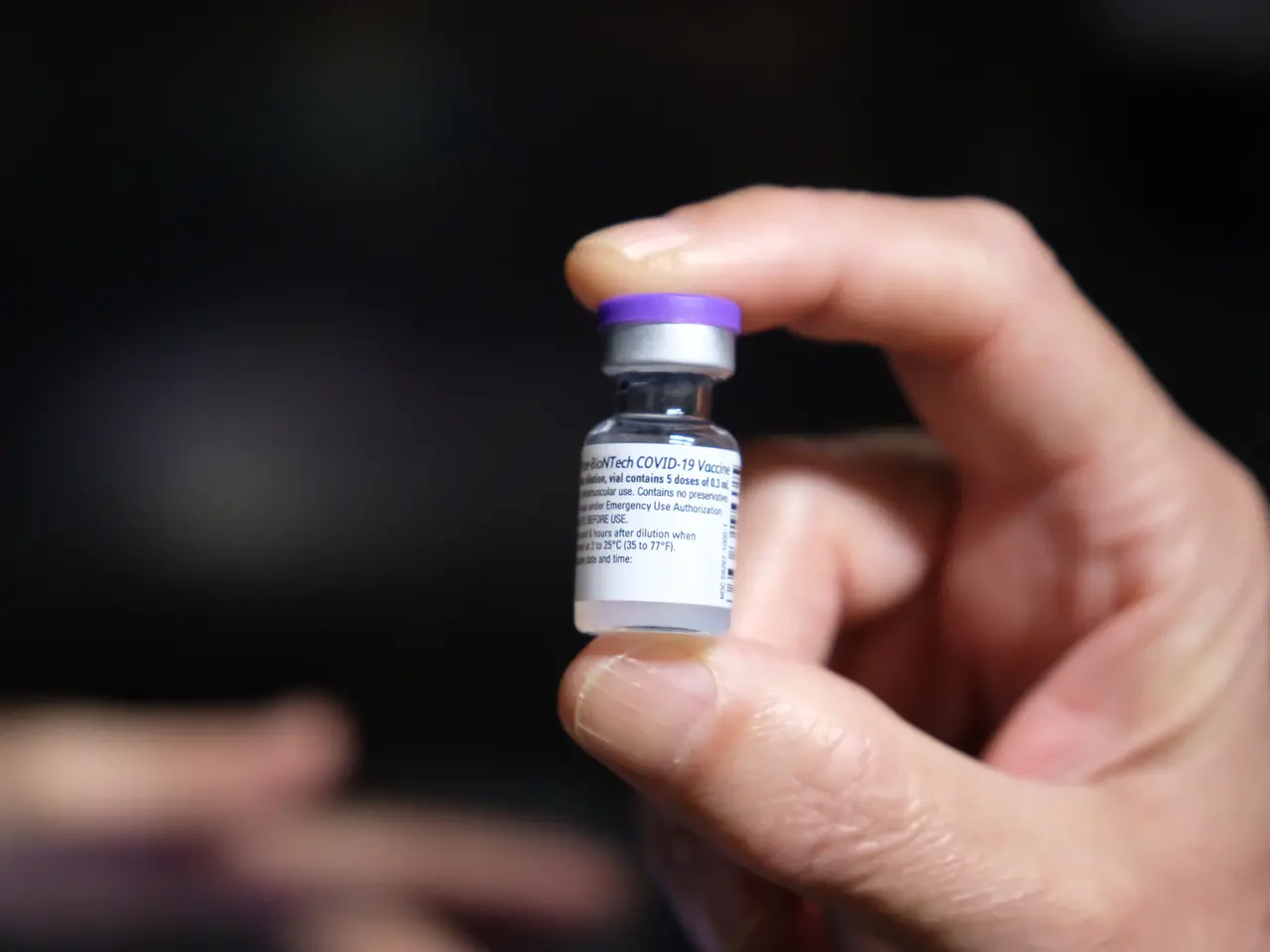
The European Commission is facing legal pressure to reveal more details about its Covid vaccine contracts. In 2020 and 2021, the Commission signed six advance purchase agreements with pharmaceutical firms to secure up to 2.7 billion doses. Now, a case at the EU's top court will decide whether the names of staff involved in negotiations must be made public.
The dispute began after Green MEPs and members of the public demanded greater transparency. They argued that the Commission's redacted disclosures were insufficient and that full accountability required more information.
Between July and December 2020, the Commission finalised deals with AstraZeneca, Pfizer/BioNTech, Moderna, Sanofi/GSK, Johnson & Johnson (Janssen), and CureVac. These agreements aimed to secure vaccines for all EU member states during the pandemic. However, the Commission refused to disclose the names of officials involved in the talks, citing concerns over potential harassment.
Lawyers for the Commission warned that revealing identities could expose staff to 'physical or psychological' harm from conspiracy theorists. Despite these claims, the EU's General Court ruled in 2024 that the Commission had failed to provide enough detail about the negotiations. The court's decision supported calls for higher transparency standards.
The case has now reached the Court of Justice of the EU, where a legal opinion is expected on June 11. Lawyers representing the MEPs and public interest groups continue to push for full disclosure. They argue that withholding names undermines trust in the Commission's handling of vaccine contracts.
Throughout the process, the Commission has only released heavily redacted versions of the agreements. Critics claim this approach falls short of the transparency required for such high-stakes public health deals.
The upcoming legal opinion will determine whether the Commission must reveal the names of those who negotiated the vaccine contracts. A ruling in favour of transparency could force the EU to disclose more details about its dealings with pharmaceutical companies. The outcome may also set a precedent for future cases involving public access to sensitive contract information.
Read also:
- American teenagers taking up farming roles previously filled by immigrants, a concept revisited from 1965's labor market shift.
- Weekly affairs in the German Federal Parliament (Bundestag)
- Landslide claims seven lives, injures six individuals while they work to restore a water channel in the northern region of Pakistan
- Escalating conflict in Sudan has prompted the United Nations to announce a critical gender crisis, highlighting the disproportionate impact of the ongoing violence on women and girls.