EU Snubs Myanmar Elections, Calling Them Neither Free Nor Fair
The European Union (EU) has announced it will not dispatch official observers to Myanmar's upcoming elections, deeming them neither free nor fair. EU Commissioner Kajsa Ollongren expressed concern about the polls, scheduled for December 28, which are seen as a move by junta chief Min Aung Hlaing to consolidate power.
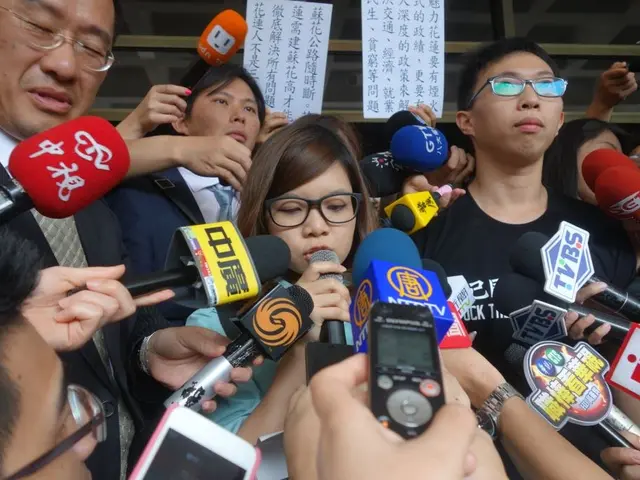
Ollongren dismissed the election as a ploy to legitimise military rule, stating that it will not be recognised by the EU. Despite this, election observation will still take place, with diplomatic missions, local NGOs, and international organisations set to monitor the process. Notably, a newly founded local NGO, the 'Power of Voice Association', has applied to send 259 observers, although some question its legitimacy.
The Association of Southeast Asian Nations (ASEAN) is set to discuss sending observers at a summit in Kuala Lumpur next week. However, the election is expected to be blocked in large enclaves controlled by pro-democracy guerillas and ethnic minority armies, further casting doubt on its credibility. Ollongren has urged ASEAN countries to push for a change of course in Myanmar, citing the country's instability as a concern for the entire Southeast Asian region.
Myanmar's junta plans to hold elections on December 28, but the EU and international monitors have dismissed the process as a sham. While observation efforts will continue, the EU will not recognise the election as legitimate. The situation remains a concern for the wider Southeast Asian region, with ASEAN set to discuss potential observer missions.
Read also:
- American teenagers taking up farming roles previously filled by immigrants, a concept revisited from 1965's labor market shift.
- Weekly affairs in the German Federal Parliament (Bundestag)
- Landslide claims seven lives, injures six individuals while they work to restore a water channel in the northern region of Pakistan
- Escalating conflict in Sudan has prompted the United Nations to announce a critical gender crisis, highlighting the disproportionate impact of the ongoing violence on women and girls.