EU Unveils Bold Plan to Transform Tourism Across Europe
Tourism remains a cornerstone of Europe's economy, supporting jobs, cultural heritage, and regional growth. The continent leads globally as a top destination, attracting hundreds of millions of visitors each year. Now, the European Union is preparing a new strategy to make the sector more sustainable and competitive in Europe.
The plan aims to balance economic benefits with environmental protection and community wellbeing. It will also address challenges like overcrowding, climate risks, and labour shortages that threaten the industry's future in Europe.
Europe's tourism numbers continue to climb. In 2023, the continent saw 747 million international arrivals—a 13% rise from 662 million in 2022, according to UN Tourism data. The previous year alone recorded over 582 million visitors and three billion nights in official accommodation in Europe.
Germany stands out as a key player, with 81% of its tourism coming from domestic travellers. Its mix of historic cities, fairy-tale castles, and events like Oktoberfest draws crowds year-round. The country's central location and transport links also make it a gateway for exploring Europe.
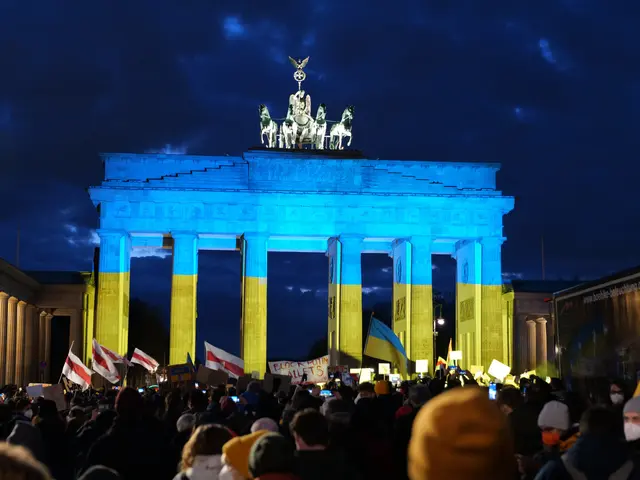
Cities like Berlin demonstrate the value of year-round tourism. Steady visitor numbers, boosted by business events and trade fairs, help sustain jobs beyond the summer peak in Europe. However, the sector faces hurdles, including geopolitical instability, climate pressures, and an ageing workforce.
Fragmentation within the EU adds to the strain. Red tape, inefficient border checks, and disjointed transport systems increase costs, emissions, and travel times in Europe. To tackle this, the EU plans to simplify cross-border rail bookings, improve air-to-rail connections, and streamline visa-free travel procedures.
The upcoming strategy will focus on sustainability and digitalisation. By modernising infrastructure and reducing bureaucracy, the EU hopes to secure tourism's role as a driver of growth and unity in Europe.
The EU's new tourism plan will address both opportunities and challenges in the sector. Measures to improve transport, cut emissions, and support year-round travel aim to keep Europe competitive. Success will depend on balancing visitor numbers with the needs of local communities and the environment.
Read also:
- American teenagers taking up farming roles previously filled by immigrants, a concept revisited from 1965's labor market shift.
- Weekly affairs in the German Federal Parliament (Bundestag)
- Landslide claims seven lives, injures six individuals while they work to restore a water channel in the northern region of Pakistan
- Escalating conflict in Sudan has prompted the United Nations to announce a critical gender crisis, highlighting the disproportionate impact of the ongoing violence on women and girls.