€420M Plan Fails to Revive South-East Estonia's Struggling Economy
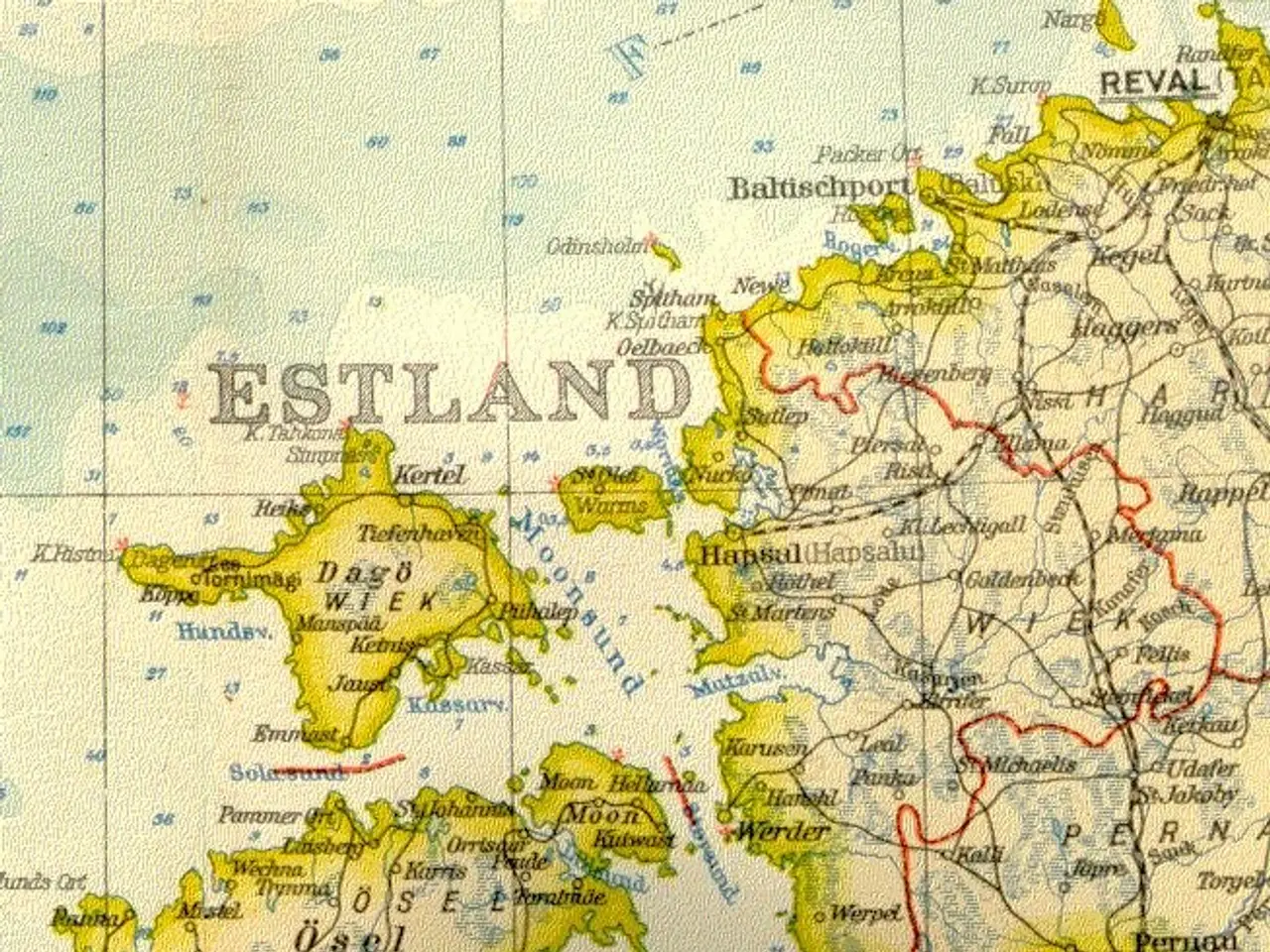
A long-standing development plan for South-East Estonia has failed to deliver meaningful change, according to a new report. Despite 420 million euros in funding, the region still struggles with poor infrastructure, weak services, and economic decline. Now, the National Audit Office is calling for urgent reforms—or scrapping the plan entirely. The Southeastern Estonia development plan was launched over a decade ago. Its goals included improving roads, healthcare, and internet access while attracting state jobs to the area. Yet most of these promises remain unfulfilled.
Out of the 420 million euros allocated, only 2 percent reached South-East Estonia. Even that small share produced no clear benefits. Meanwhile, defence and border projects have worsened the region’s economic struggles. The war in Ukraine has added further pressure, deepening existing problems. One key target was relocating 5 percent of state agency jobs to the area. Instead, agencies have moved jobs *away* from the region. Residents still face unreliable electricity, crumbling roads, and limited healthcare. Internet connectivity remains patchy, hindering businesses and daily life. The Ministry of Regional Affairs and Agriculture admits the plan has fallen short. It now supports a cross-ministerial approach to address the region’s challenges. The National Audit Office has urged the government to either set measurable targets for the plan or abandon it completely.
The central government must now decide how to address South-East Estonia’s ongoing crises. Without concrete action, the region risks further decline. The Audit Office’s findings leave little room for delay—either the plan must change, or it must end.
Read also:
- American teenagers taking up farming roles previously filled by immigrants, a concept revisited from 1965's labor market shift.
- Weekly affairs in the German Federal Parliament (Bundestag)
- Landslide claims seven lives, injures six individuals while they work to restore a water channel in the northern region of Pakistan
- Escalating conflict in Sudan has prompted the United Nations to announce a critical gender crisis, highlighting the disproportionate impact of the ongoing violence on women and girls.