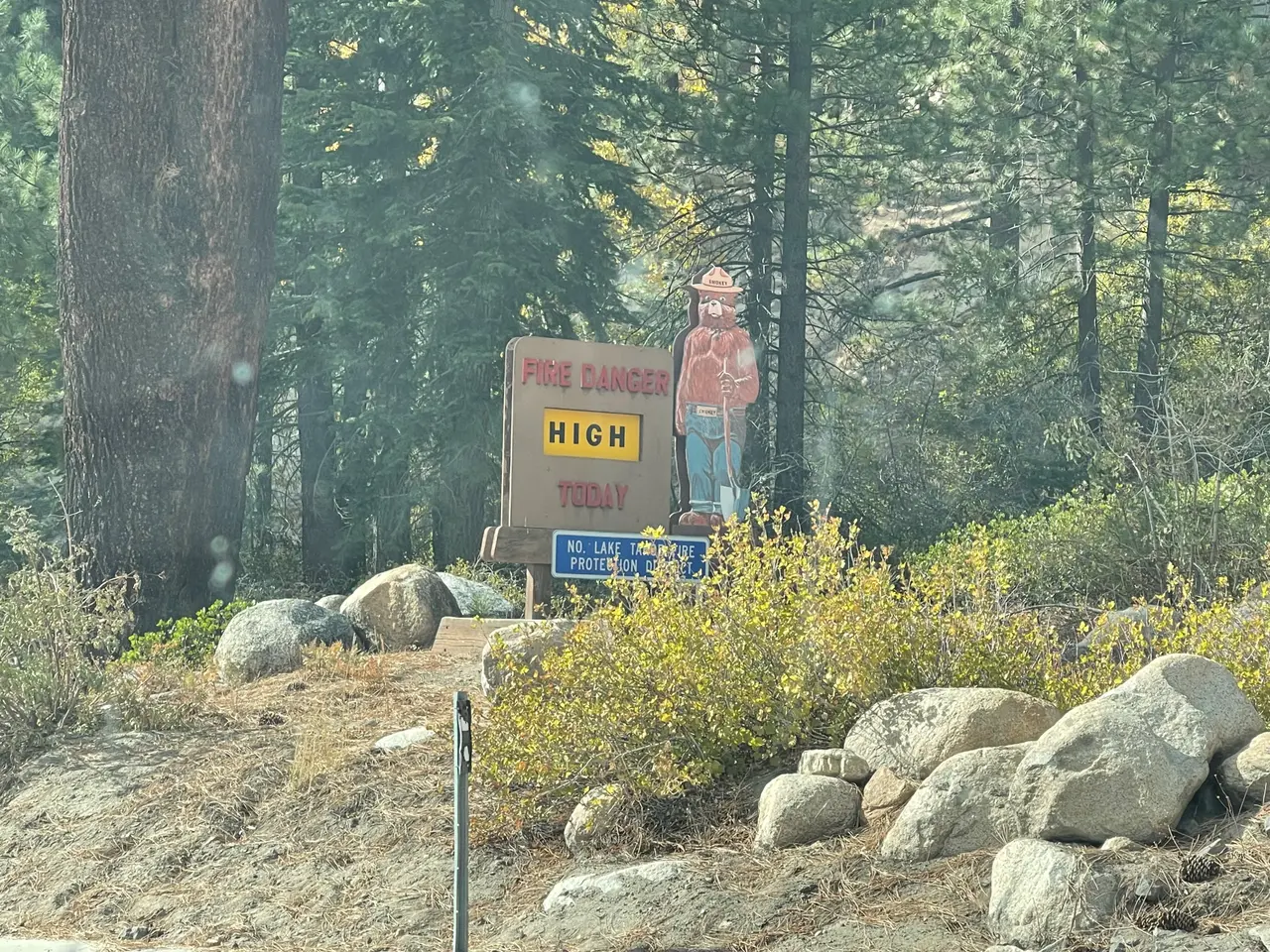
Europe tightens fire safety ahead of 2026 Olympics and WEF in Davos
Fire safety measures are being tightened across several European regions ahead of major events. In Italy, Livigno has banned sparklers and open flames in public venues before the 2026 Winter Olympics. Meanwhile, Swiss authorities in Graubünden are enforcing strict checks for the World Economic Forum (WEF) in Davos.
In Livigno, part of Italy’s Valtellina region, local officials have prohibited the use of sparklers and open-flame items in bars, restaurants, and accommodations. The move comes as preparations ramp up for the Milan-Cortina Winter Olympics in 2026.
For the WEF 2026 in Davos, the canton of Graubünden’s building insurance authority is reviewing all 164 temporary structures, conversions, and advertisements. Each project must receive fire police approval and undergo periodic checks before municipal building permits are granted. A designated person is also required on-site to ensure compliance with fire protection rules. Firefighting preparations in Davos include round-the-clock readiness at the Platz and Dorf depots during the day. A fire brigade outpost will operate at the Congress Center, while night patrols at depots will be reinforced. The airport fire brigade will support operations at the Davosersee heliport. Additionally, temporary staff in hotels, restaurants, and bars will receive fire safety training. The Cantonal Building Insurance (GVG) in Grisons routinely inspects high-risk buildings every two to five years. Despite the recent Crans-Montana fire disaster, cantonal authorities have confirmed no changes to existing fire safety regulations. Government Councilor Peter Peyer (SP) stated that current measures remain sufficient. An information campaign on fire safety has been launched by the GVG, Gastro Grisons, and HotellerieSuisse Grisons. The canton also continuously assesses fire risks and consults experts when needed. In Vaud, Switzerland, similar steps have been taken, including stricter controls and a ban on pyrotechnics in enclosed spaces.
The new restrictions in Livigno and enhanced checks in Graubünden aim to prevent fire hazards during large gatherings. Swiss authorities have maintained existing regulations but are reinforcing inspections and public awareness. These steps follow recent incidents and reflect ongoing efforts to improve safety protocols.
Read also:
- American teenagers taking up farming roles previously filled by immigrants, a concept revisited from 1965's labor market shift.
- Weekly affairs in the German Federal Parliament (Bundestag)
- Landslide claims seven lives, injures six individuals while they work to restore a water channel in the northern region of Pakistan
- Escalating conflict in Sudan has prompted the United Nations to announce a critical gender crisis, highlighting the disproportionate impact of the ongoing violence on women and girls.