Europe's coal decline accelerates as UK shuts last power plant by 2024
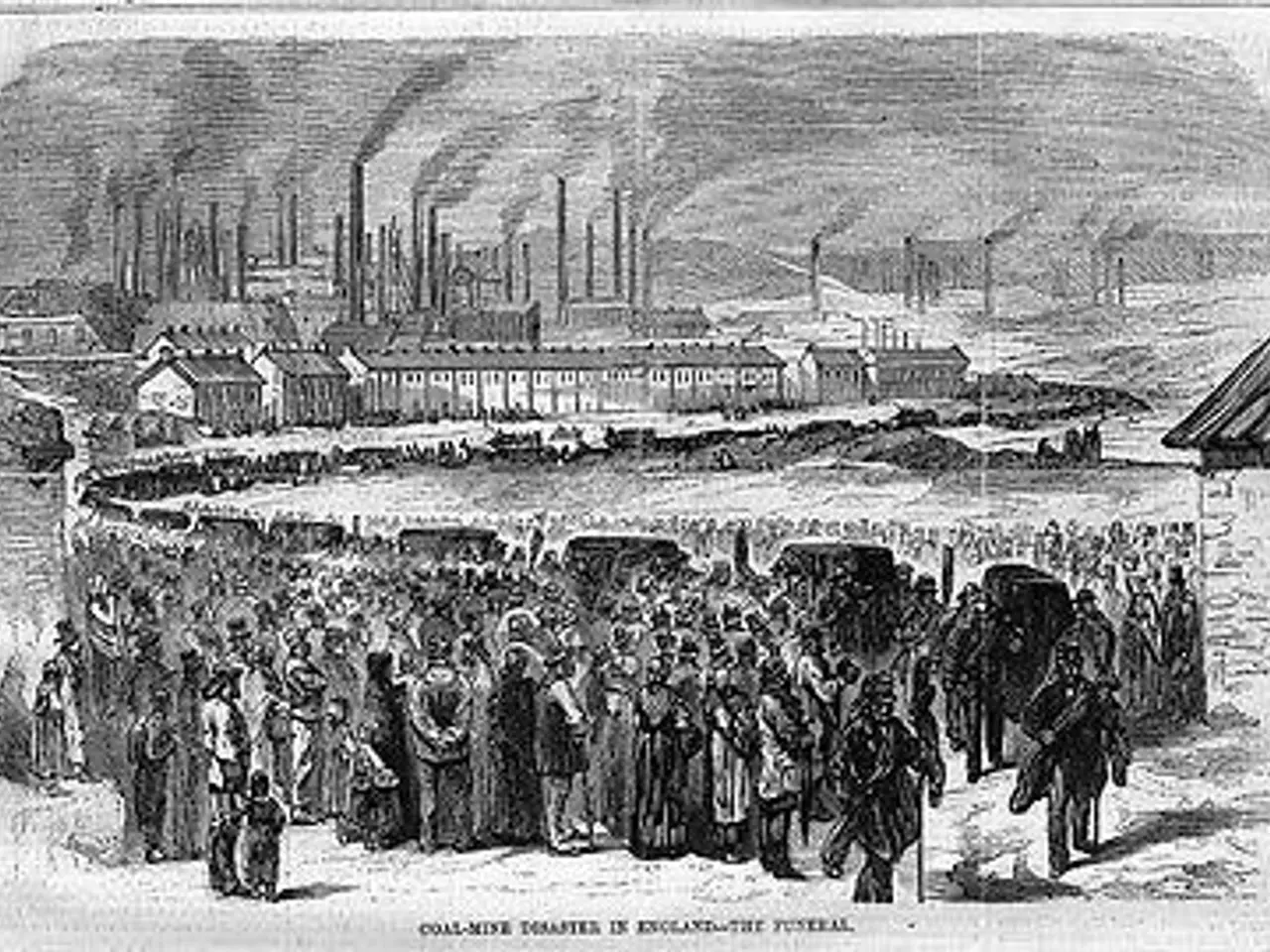
Europe's energy landscape has shifted dramatically in recent years. Coal use is declining as countries turn to gas, renewables and nuclear power, though some nations face setbacks in their transition plans. The UK has made rapid progress, while Germany and others adjust their timelines amid ongoing challenges. The UK's move away from coal gathered pace after new North Sea gas and oil discoveries reduced reliance on dirtier fuels. This push led to the closure of Ratcliffe-on-Soar, the country's last coal-fired power station, in 2024. The decline of British coal had begun much earlier, with the 1972 miners' strike marking the start of a long-term industry contraction.
Elsewhere in Europe, the shift from coal has been uneven. France aims to eliminate coal by 2027, while Spain has set a 2030 target. Germany, however, delayed its full coal phase-out until 2038 and even reopened some mothballed mines to meet demand. The EU as a whole still plans to end coal use by 2050 at the latest. The 2022 Russian gas embargo forced Europe to seek alternatives. Imports of American liquefied natural gas (LNG) surged, doubling by 2025. Despite an unusually harsh winter that year, countries avoided a return to coal, sticking to cleaner options. Meanwhile, the EU's broader energy strategy has seen mixed results: Germany replaced nuclear with gas, increasing fossil fuel dependence, while the European Commission now admits phasing out nuclear was a misstep.
The UK has shut its last coal plant, but other European nations face delays in their transitions. Gas imports from the US have filled gaps left by Russian supplies, though long-term reliance on fossil fuels remains a concern. All countries still officially commit to ending coal by 2050, even as adjustments continue.
Read also:
- American teenagers taking up farming roles previously filled by immigrants, a concept revisited from 1965's labor market shift.
- Weekly affairs in the German Federal Parliament (Bundestag)
- Landslide claims seven lives, injures six individuals while they work to restore a water channel in the northern region of Pakistan
- Escalating conflict in Sudan has prompted the United Nations to announce a critical gender crisis, highlighting the disproportionate impact of the ongoing violence on women and girls.