Rising Oil and Gas Costs: Reich Rejects Price Cap - Europe's energy crisis persists as Iran tensions push fuel prices higher again
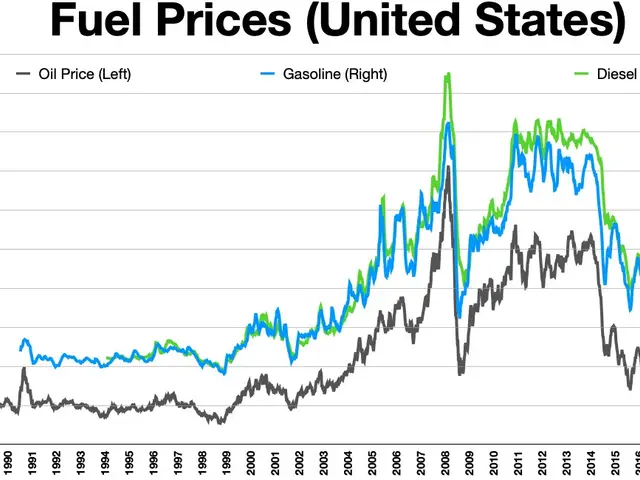
Energy prices in Europe have shifted dramatically since Russia's invasion of Ukraine in February 2022. The conflict triggered a sharp spike in oil and gas costs, but by March 2026, markets have settled at lower levels. German households now pay 10.22 cents per kWh for gas, though long-term prices remain slightly above pre-war figures.
The issue has reignited political debates as fresh tensions in Iran push fuel prices higher once more. EU leaders will address the latest surge at this week's summit, with accusations against Russia's energy policies still looming large.
The Ukraine war disrupted Europe's energy supply almost immediately. Russian pipeline cuts sent prices soaring on exchanges like the Dutch TTF. By March 2026, however, import costs had stabilised, though analysts predict they will stay marginally above pre-2022 levels.
In Germany, Economy Minister Katharina Reiche has ruled out price caps to ease the burden on consumers. She argues that government interference in gas or electricity markets would only drive costs up further. Instead, her ministry introduced a rule preventing petrol stations from increasing prices more than once a day.
Meanwhile, the Federal Cartel Office has launched an investigation into oil companies over sudden pump price hikes. The probe follows public frustration over volatile fuel costs, which have climbed again due to escalating tensions in Iran.
EU Energy Commissioner Dan Jørgensen has warned against repeating past mistakes. He accused Russian President Vladimir Putin of using energy as a weapon against the bloc. Reiche echoed this stance, criticising a recent U.S. decision to temporarily permit Russian oil imports. She called the move 'supporting a warmonger' and urged stricter measures against Moscow.
The latest price spikes will dominate discussions at the upcoming EU summit. German regulators are scrutinising fuel companies, while ministers reject market intervention as a solution. With Iran's conflict adding pressure, energy security remains a top concern for European policymakers.
Read also:
- American teenagers taking up farming roles previously filled by immigrants, a concept revisited from 1965's labor market shift.
- Weekly affairs in the German Federal Parliament (Bundestag)
- Landslide claims seven lives, injures six individuals while they work to restore a water channel in the northern region of Pakistan
- Escalating conflict in Sudan has prompted the United Nations to announce a critical gender crisis, highlighting the disproportionate impact of the ongoing violence on women and girls.