EU's 2025 border crackdown leaves 80,000 migrants forcibly returned and abused
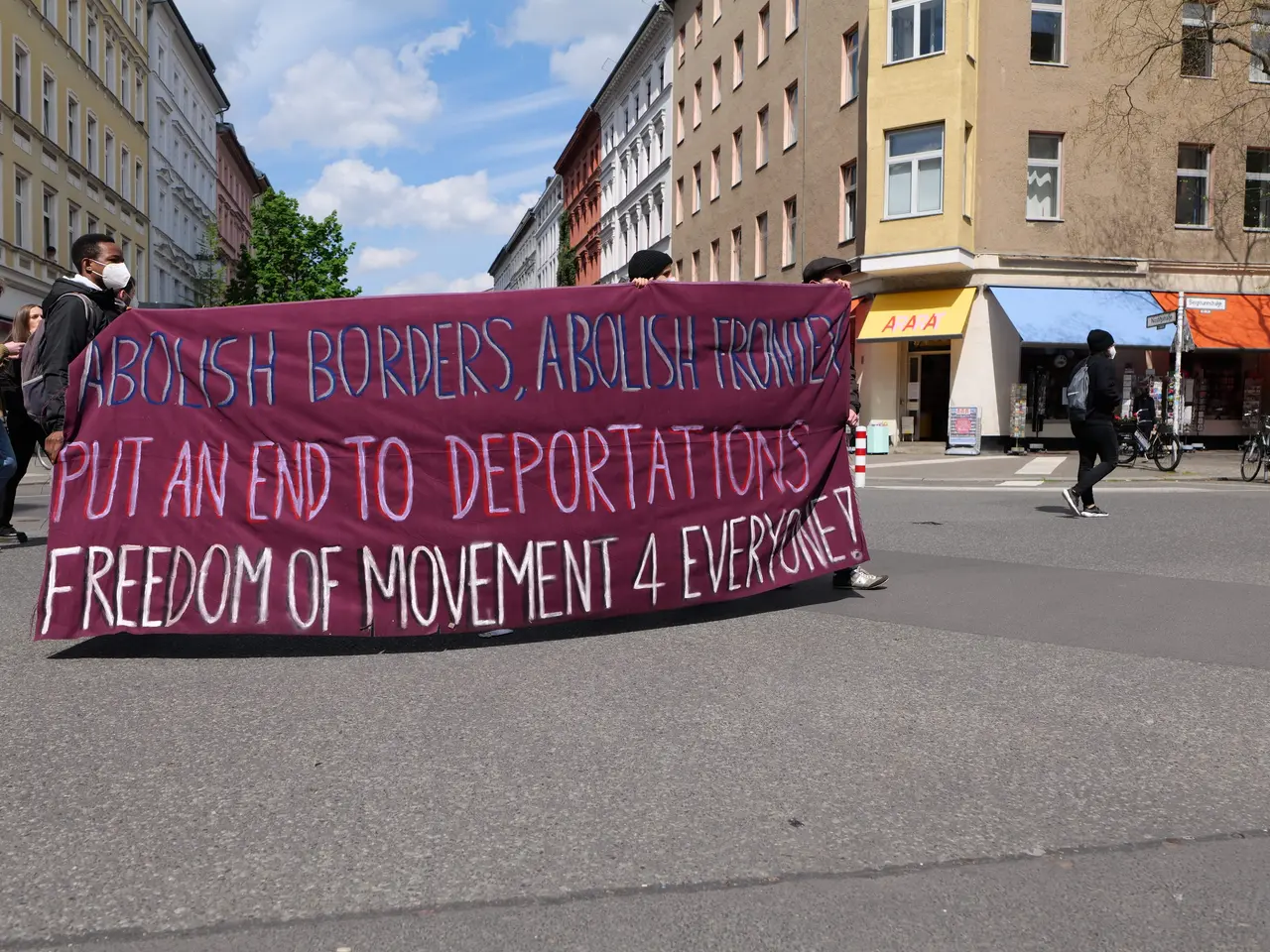
Human rights violations at the EU's external borders remained widespread in 2025, despite a slight drop in pushback numbers. Over 80,000 people were forcibly returned without proper assessment of their asylum claims, often facing abuse and illegal detention. Meanwhile, EU-backed operations in the central Mediterranean led to thousands being sent back to dangerous conditions in Libya.
In 2025, at least 80,865 pushbacks were recorded across the EU's borders, down from previous years but still alarmingly high. These forced returns frequently involved violence, theft, and arbitrary detention, with no individual checks on protection needs. Poland carried out the second-most direct pushbacks at 14,754, followed by Bulgaria with 13,568 and Latvia with 12,046.
The situation in the central Mediterranean was equally severe. The Libyan Coast Guard, supported by the EU, intercepted 27,116 people at sea and sent them back to Libya, where they faced torture, forced labour, and indefinite detention. While pushbacks decreased, so-called *pullbacks*—where authorities in transit countries force returns—rose, breaching international law. No exact figures exist for how many were returned under these EU-backed measures in 2025. Greece's systematic pushback regime was condemned by the European Court of Human Rights for violating fundamental rights, including the prohibition of inhuman treatment. Yet, nine EU governments pushed to reinterpret human rights laws to justify stricter migration controls. Frontex, the EU's border agency, documented abuses by member states but took no action, even after finding Bulgaria guilty of gross negligence. NGOs working to support asylum seekers faced growing restrictions. In Greece and Bulgaria, organisations reported threats, funding cuts, and legal harassment, limiting their ability to monitor abuses or provide aid. In response, rights groups urged the EU to tie border funding to human rights compliance and halt support for the Libyan Coast Guard.
The EU's border policies in 2025 continued to enable widespread rights violations, despite legal rulings and documented abuses. Pushbacks persisted, pullbacks increased, and support for Libyan operations left thousands trapped in dangerous conditions. Without policy changes, the situation for migrants and asylum seekers at Europe's borders is unlikely to improve.
Read also:
- American teenagers taking up farming roles previously filled by immigrants, a concept revisited from 1965's labor market shift.
- Weekly affairs in the German Federal Parliament (Bundestag)
- Landslide claims seven lives, injures six individuals while they work to restore a water channel in the northern region of Pakistan
- Escalating conflict in Sudan has prompted the United Nations to announce a critical gender crisis, highlighting the disproportionate impact of the ongoing violence on women and girls.