Expert slams SPD's windfall tax plan as ineffective for fuel competition
Economic adviser Martin Werding has criticised the SPD's plan for a windfall tax on oil companies. He argues that such a measure would fail to tackle the real problem of competition at petrol stations.
The debate comes after high fuel prices in 2022 raised concerns about excessive profits in the sector.
Werding dismissed the idea of a turbo tax, stating that profits in Germany are already subject to taxation. He also questioned how 'excess profits' could be clearly defined in practice.
His main concern, however, is that the tax would not improve competition among fuel suppliers. Instead, he believes the focus should be on addressing market structure issues at gas stations.
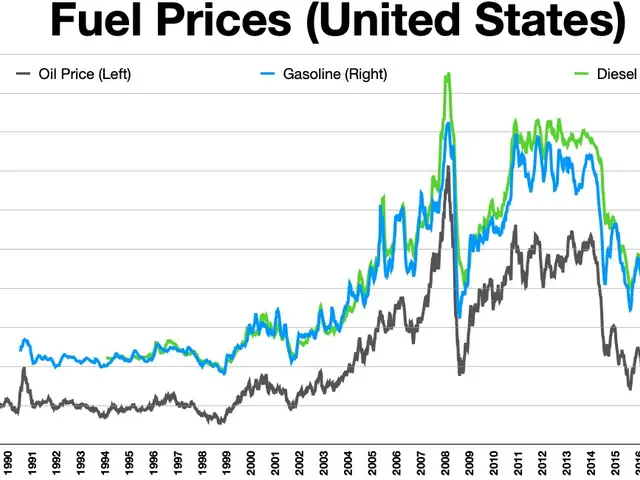
The discussion follows a period of high oil prices in 2022, driven partly by the Russia-Ukraine war. While suspicions arose about elevated profit margins, no official data confirms which companies benefited most. Historical trends suggest margins tend to rise alongside oil prices, but a full assessment would require retrospective analysis.
Without a clear definition of excess profits, Werding's stance casts doubt on the turbo tax's effectiveness. The debate highlights broader questions about fuel pricing and market fairness. For now, no concrete evidence identifies the most profitable oil firms during the price surge.
Read also:
- American teenagers taking up farming roles previously filled by immigrants, a concept revisited from 1965's labor market shift.
- Weekly affairs in the German Federal Parliament (Bundestag)
- Landslide claims seven lives, injures six individuals while they work to restore a water channel in the northern region of Pakistan
- Escalating conflict in Sudan has prompted the United Nations to announce a critical gender crisis, highlighting the disproportionate impact of the ongoing violence on women and girls.