

Exploring Varieties of Landing Gear (Distinct Designs, Characteristics, Applications)
The selection of landing gear configuration for an aircraft is a crucial decision that affects the plane's performance, handling characteristics, and overall safety. This article explores the key factors to consider when choosing the right landing gear for various aircraft types and operational environments.
The purpose of the aircraft and intended usage play a significant role in the choice of landing gear. Commercial planes, for instance, typically operate from groomed runways and require landing gear that can handle high weight loads and offer stability. In contrast, bush planes, designed for remote areas with rough field environments, may require landing gear optimized for uneven or soft surfaces.
Weight load during landing and ground operations is another critical factor. The landing gear must support the plane's weight during taxiing, while at rest, and especially during landing impacts. It must handle sudden loads and stresses from landing shocks and surface irregularities to maintain structural integrity.
Stability and equilibrium are essential for safe ground operations. The gear configuration should provide proper stability on the ground, preventing tipping or uneven load distribution during taxiing, takeoff, and landing. This enhances pilot control and safety.
Pilot visibility and operational convenience are also important considerations. Some landing gear designs offer better on-the-ground visibility for pilots, aiding taxi and ground maneuvering. This can affect safety and operational efficiency at airports.
Environmental and runway conditions also influence the landing gear's design and effectiveness. Factors like runway slope, surface condition (wet, icy, or contaminated), and weather (wind direction and strength) must be taken into account. Certain gear configurations may better absorb impacts from rough terrain or perform better on wet runways.
Regulatory requirements and specifications are another crucial factor. Different aircraft types have to comply with various aviation regulations and certification standards. The landing gear must meet these specifications for safety and airworthiness approval.
Weight and complexity considerations are also vital. Some gear configurations are lighter and simpler, improving fuel efficiency and maintenance. However, simpler gear may not perform as well on difficult terrains compared to more complex, rugged designs.
Testing and qualification are essential steps in the landing gear selection process. Designers use simulation and real-world testing to validate the landing gear's ability to handle expected loads and stresses safely before finalizing the configuration.
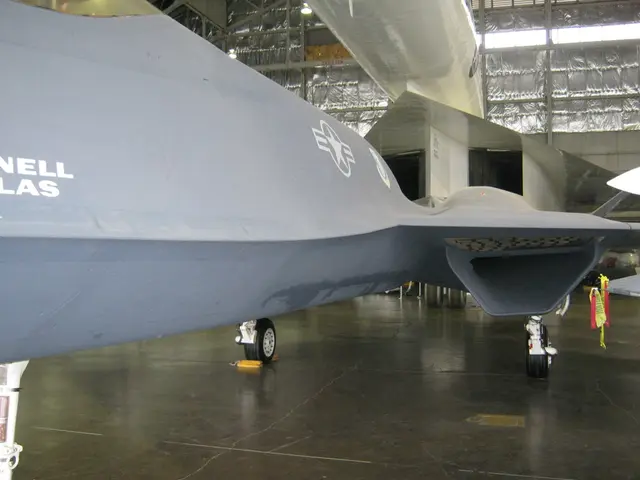
The tricycle landing gear configuration, featuring two main wheels at the rear and a single nose wheel at the front, provides excellent forward visibility, stability on the ground, and easy access to the fuselage and cabin. However, the nose wheel requires careful handling to prevent damage.
Tandem landing gear, consisting of two sets of wheels aligned along the centerline of the aircraft, one behind the other, is ideal for aircraft that require a slim profile for aerodynamic efficiency or for fitting into narrow spaces. However, it can make ground handling tricky, as there's a tendency for the aircraft to tip to one side or the other.
Taildragger landing gear configuration, with two main wheels at the front and a smaller wheel at the tail, gives the aircraft a nose-up stance on the ground. This requires careful handling during takeoff and landing to prevent ground-looping and has restricted forward visibility on the ground.
Floatplanes, with their landing gear replaced by large floats or pontoons, are invaluable for operations in remote areas with ample lakes and rivers, or for leisurely tours in coastal regions. They are also ideal for search and rescue missions in marine environments. However, they come with increased maintenance due to the corrosive effects of water, particularly salt water.
Ski-equipped aircraft, featuring skis instead of traditional wheels, enable aircraft to take off from and land on snow and ice. They are excellent for pilots flying in icy, snowbound regions. However, piloting ski-equipped aircraft brings its own set of unique challenges due to varying snow and ice conditions.
In summary, the selection of landing gear configuration is a careful balance of load capacity, terrain adaptability, stability, weight, pilot visibility, regulatory compliance, and operational environment — all crucial to ensure safe, reliable, and efficient aircraft operation.
- The aerospace industry must consider a range of factors when choosing landing gear for aircraft, such as the purpose and intended usage, weight load during landing and ground operations, stability and equilibrium, pilot visibility, operational convenience, environmental conditions, regulatory requirements, and weight and complexity considerations.
- In the realm of technology, designers employ simulation and real-world testing to validate and qualifiy landing gear, ensuring their ability to handle expected loads and stresses safely while maintaining structural integrity and improving operational efficiency. This enhances safety and allows for the design of various configurations, such as tricycle, tandem, taildragger, floatplanes, and ski-equipped aircraft, each with its unique benefits and challengestailored for different operational environments.







)