Exterior Inspection Round
In the world of aviation, safety is paramount. One crucial step in ensuring the safety of each flight is the Walk Around Check, also known as the Outside Check, a thorough visual and functional inspection conducted before takeoff.
The process begins with a close examination of the wheels and tires, checking for proper inflation, damage, or wear. The engines are then inspected visually for any signs of leakage or abnormalities. The wings and control surfaces, including ailerons, flaps, elevators, and the rudder, are scrutinised to verify their integrity, freedom from damage, and the correct functioning of hinges and actuators.
The fuselage is inspected for any signs of dents, cracks, or structural issues. Any fluid puddles beneath the plane are investigated as they could indicate leaks. The operational status of all external lights, including navigation, landing, and strobe lights, is verified. The security of doors and hatches is also checked, and the clearance of pitsot tubes and static ports is confirmed.
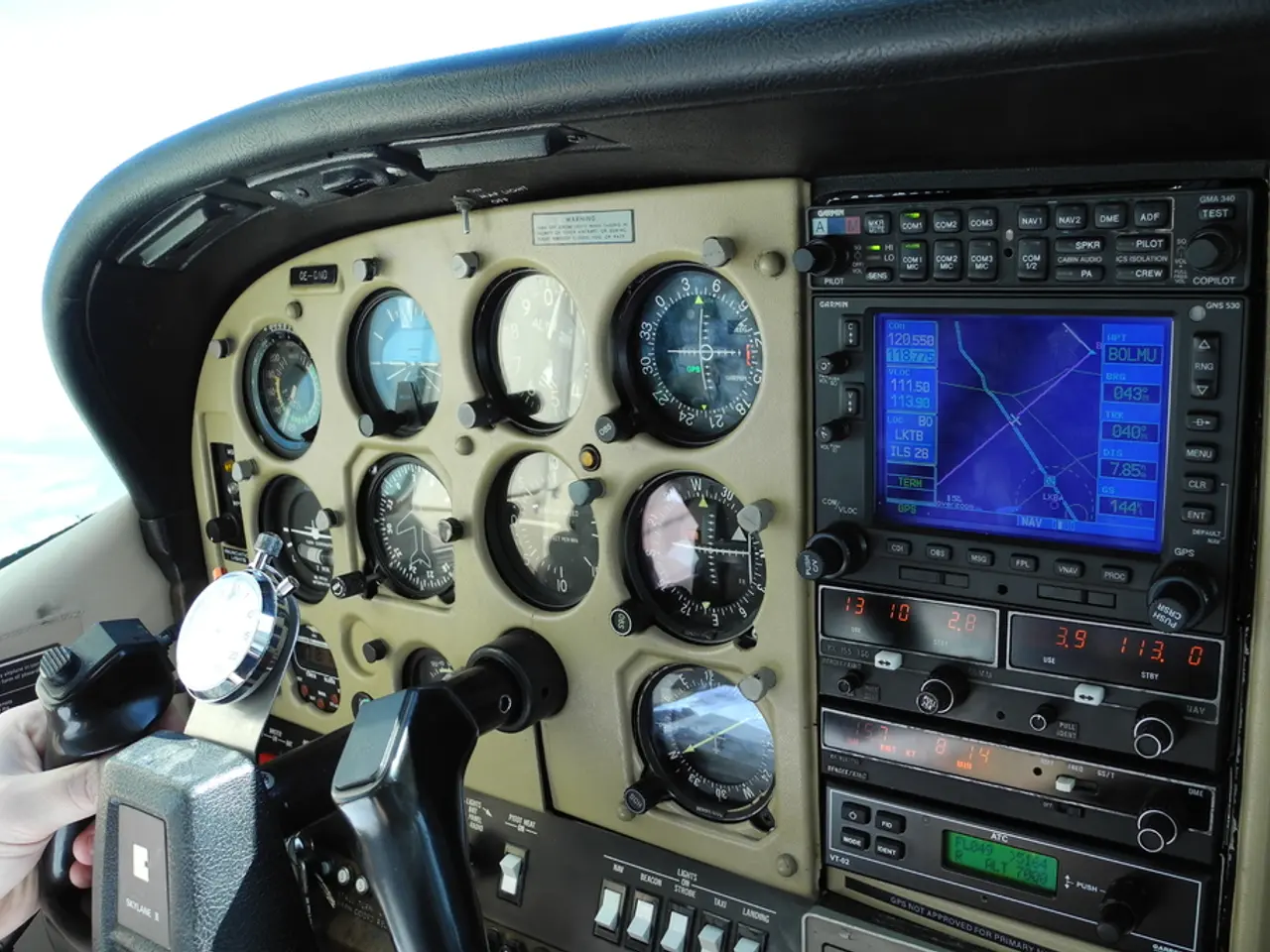
Finally, the pilot or crew will enter the cockpit to perform a cockpit system check, verifying the functioning of instruments, switches, buttons, and flight controls.
This pre-flight process, which is conducted at airports, is part of the overall safety protocol aimed at ensuring the aircraft is in a safe condition to fly. It is a visual and functional inspection that prevents potential issues that could compromise flight safety.
The Walk Around Check can be performed manually, with the pilot or crew walking around the plane, or with the assistance of technology, such as drones. The process may vary depending on the aircraft type, airline company rules and procedures, and the specific aircraft's condition.
The Outside Check is essential in preventing accidents caused by visible errors, defects, wear, fractures, blockages, or damage on the aircraft. It ensures the safety of the next flight by identifying malfunctions in the current state of the aircraft.
Malfunctions detected during the Walk Around Check are immediately addressed and resolved, increasing flight safety. For instance, a leak or crack in the aircraft wing can lead to serious incidents during flight, while a hydraulic leak on the landing gear can potentially cause an accident during the next landing or take-off.
In conclusion, the Walk Around Check plays a vital role in maintaining the safety and reliability of aircraft, contributing significantly to the overall safety of air travel.
In the aviation industry, the Walk Around Check (Outside Check) plays a crucial role in financing safe transportation, as it identifies and resolves potential issues that could compromise flight safety. This visual and functional inspection, conducted before every flight, is an integral part of the industry's finance-driven safety protocol for aircraft in the transportation sector.