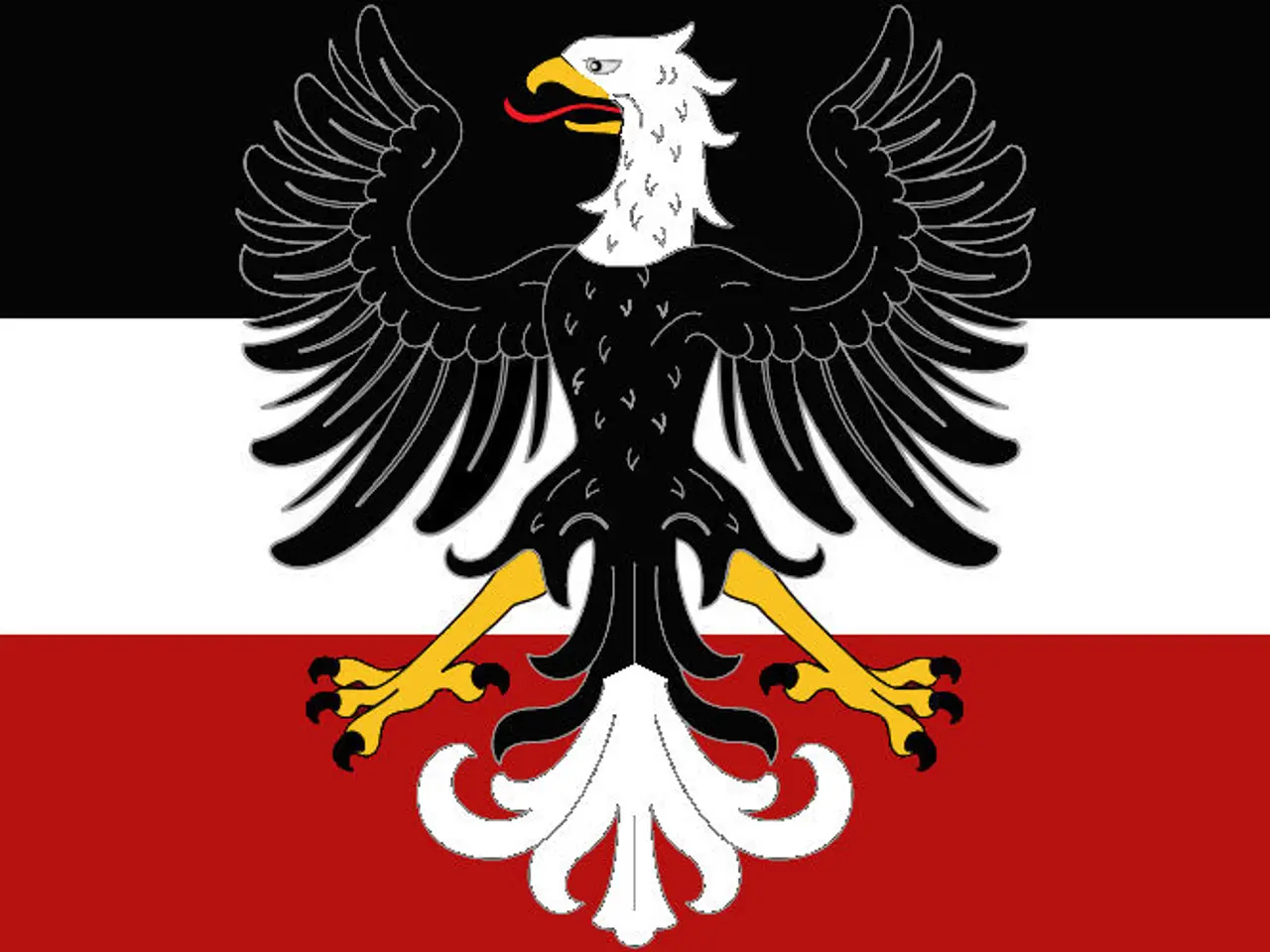
Far-right parties weaponize national flags in Germany and Austria’s identity wars
Far-right parties in Germany and Austria are pushing for greater use of national flags as part of their political agendas. Both the Alternative for Germany (AfD) and Austria’s Freedom Party (FPÖ) are linking flags to exclusionary policies on migration and national identity. Their campaigns come alongside calls for stricter border controls and the revival of historical traditions.
The AfD has proposed a significant increase in the display of German flags across public spaces, from federal buildings to local authorities. The party’s 2016 manifesto declared, 'We are open to the world, but we want to be—and remain—German,' emphasizing the preservation of language and traditions within a sovereign state. Flags, historically tied to military communication, now serve as visible symbols of unity—and division—under the AfD’s nationalist agenda.
The FPÖ, meanwhile, wants to rename Austria’s National Day (October 26) as the 'Day of the Flag,' a term last used during the Nazi era. This move would integrate pre-1945 traditions into modern state celebrations, shifting focus from post-war neutrality to a more militarised past. The party’s 2025 policy guidelines also abandon its 2011 stance on Austria as part of a broader German cultural community, now stressing 'national identity and independence.' Both parties frame their policies as responses to mass migration. The FPÖ claims Austrians are being 'gradually replaced through constant mass immigration,' while the AfD demands an end to 'asylum-paradise Germany,' advocating for deportations and repatriation. Critics argue these stances promote exclusion, using national symbols to signal who belongs—and who does not. Flags, by their nature, can obscure social divisions while reinforcing them. Their prominent display risks deepening societal splits, particularly when tied to far-right rhetoric on identity and belonging.
The AfD and FPÖ are using flags to advance nationalist narratives, blending historical symbolism with modern political goals. Their policies on migration and national identity reflect a broader trend of far-right parties leveraging symbols to reshape public memory. The outcomes could further polarise communities already divided over questions of belonging and exclusion.
Read also:
- American teenagers taking up farming roles previously filled by immigrants, a concept revisited from 1965's labor market shift.
- Weekly affairs in the German Federal Parliament (Bundestag)
- Landslide claims seven lives, injures six individuals while they work to restore a water channel in the northern region of Pakistan
- Escalating conflict in Sudan has prompted the United Nations to announce a critical gender crisis, highlighting the disproportionate impact of the ongoing violence on women and girls.