FDP faces leadership crisis after electoral defeats spark reform calls
Germany's Free Democratic Party (FDP) is facing calls for a leadership shake-up after recent electoral setbacks. Marie-Agnes Strack-Zimmermann, a senior MEP and former head of the FDP's European delegation, has proposed a dual leadership model—with herself as one of the co-chairs. The move comes as the party struggles to regain its footing following poor regional election results.
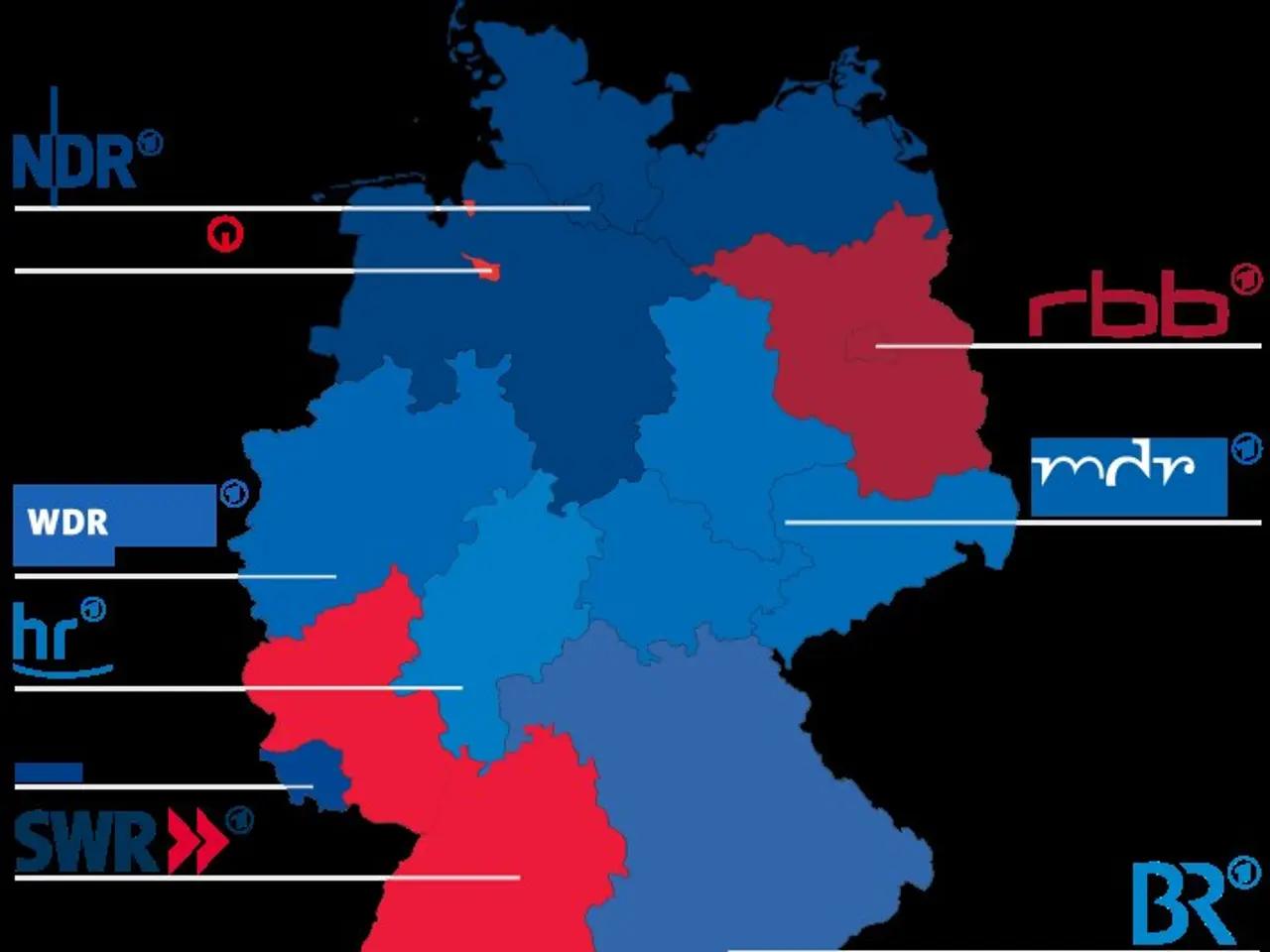
The FDP suffered a blow in March 2026 when it failed to secure five percent of the vote in Rhineland-Palatinate's state election. The loss meant the party lost all its seats in the regional parliament. Around the same time, it also underperformed in Baden-Württemberg, deepening concerns about its direction.
Strack-Zimmermann, a long-standing member of the FDP's presidium, publicly criticised the current leadership after these defeats. She later put forward a plan to restructure the party's top position, suggesting a shared leadership role. Under her proposal, she would serve as co-chair alongside another figure, though she has not named a preferred partner.
Her offer follows reports that she has little confidence in the current leader, Christian Dürr. However, the FDP's existing rules do not permit a dual leadership model. A formal debate on changing the bylaws will take place at the party's federal conference in late May.
The FDP must now decide whether to amend its internal regulations to allow for co-leaders. If approved, Strack-Zimmermann could take on a more central role in steering the party's future. The outcome of the May conference will determine whether the leadership structure—and potentially the party's direction—changes.
Read also:
- American teenagers taking up farming roles previously filled by immigrants, a concept revisited from 1965's labor market shift.
- Weekly affairs in the German Federal Parliament (Bundestag)
- Landslide claims seven lives, injures six individuals while they work to restore a water channel in the northern region of Pakistan
- Escalating conflict in Sudan has prompted the United Nations to announce a critical gender crisis, highlighting the disproportionate impact of the ongoing violence on women and girls.