Fireworks Can Pose a Threat to Aviation Safety
Fireworks Around Aircraft: A Potential Risk
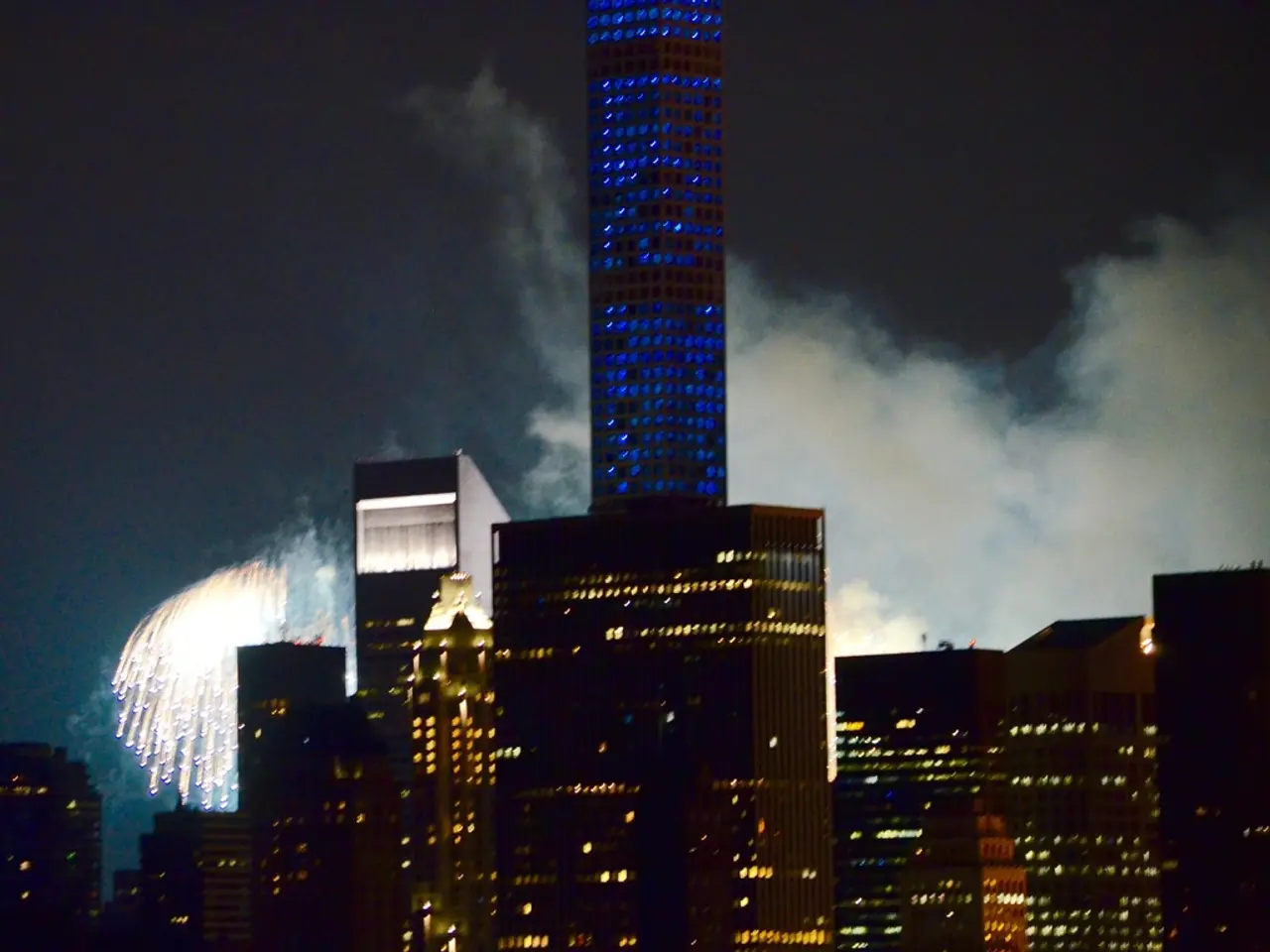
Fireworks, those dazzling spectacles lighting up the sky during celebrations, can soar hundreds of feet in the air. But what happens when they get too close to aircraft? Let's explore the risks and precautions.
Threats to Aircraft: A Double Whammy
- Distraction Risk: With their vibrant colors and dazzling displays, fireworks can easily catch a pilot's attention, especially during takeoff and landing. This distraction could lead to errors in judgment or altered flight procedures, potentially causing accidents.
- Collision Risk: Fireworks, when launched at high speeds, can reach altitudes comparable to aircrafts. A collision with a firework could cause damage to the aircraft or even worse.
- Fire Risk: Fireworks have the potential to start a fire on the ground or on aircraft, especially if they're launched near fuel storage or other flammable materials.
Planning for Safety: Keeping Fireworks Away from the Sky
To prevent accidents, it's essential to:
- Avoid launching fireworks near airports or in high-traffic airspace zones.
- Keep fireworks far from aircraft to eliminate accidental ignition or explosion.
- Be mindful of the risks associated with fireworks and take proactive steps to minimize them.
In the U.S., the Federal Aviation Administration (FAA) prohibits bringing fireworks on aircraft. They also require display organizers to acquire a permit and notify the FAA of the location and time of the display.
Different Rules for Different Places
Remember, each country and aviation authority may have its own set of rules regarding fireworks. As a general approach, always notify the relevant authority in advance and obtain permission before organizing a fireworks display, especially near airports. In some cases, fireworks activities may even be prohibited near airports.
Enrichment Insights
While explicit information on the dangers of fireworks to aircraft is scarce, the safety regulations and guidelines surrounding hazardous materials provide valuable insights.
- Fireworks are classified as explosives, with inherent safety risks during transportation and use.
- Banning mailing or air transport of fireworks reflects the risks they impose on aircrew and aircraft safety.
- Strict regulations on fireworks transportation emphasize the need to prevent accidents and ensure aviation safety.
- Fireworks displays near airports or high-traffic airspace zones may be subject to hazard zones or flight path restrictions to minimize risks.
- The distraction caused by fireworks during aircraft takeoff and landing could lead to potential aviation accidents in the finance industry, as errors in judgment or altered flight procedures can be costly.
- In the industry of transportation and aviation, a collision between a firework and an aircraft could result in damage to the aircraft, emphasizing the importance of adhering to safety regulations and guidelines.