France's fuel prices soar past €2 per litre as tax debate rages on
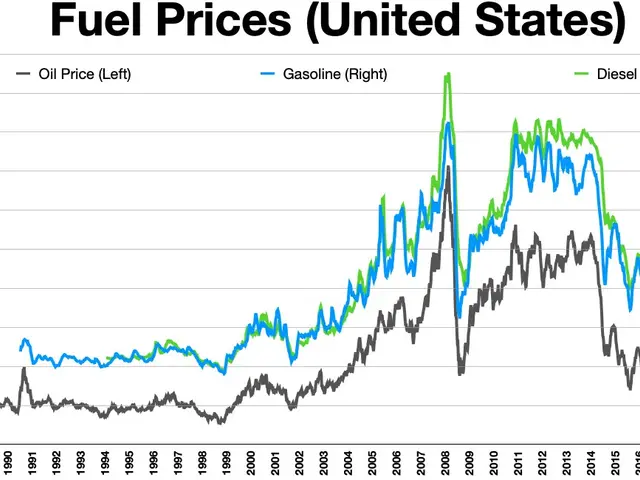
Fuel prices in France have hit record levels, with diesel surpassing €2 per litre and petrol close behind. The surge has sparked debate over government tax policies, as critics accuse officials of benefiting from the crisis. Meanwhile, Prime Minister Sébastien Lecornu has dismissed calls to cut fuel taxes, calling such a move economically reckless. Before the Middle East conflict, French fuel taxes stood at around €0.63 per litre for petrol and €0.57 for diesel. These rates were lower than in Germany, where taxes push prices even higher, but similar to trends in Spain and neighbouring countries like Luxembourg.
The government's fixed TICPE energy tax and 20% VAT mean over half the cost of a litre of fuel goes to taxation. While other nations have seen sharper price hikes, France's interventions—such as price caps—have kept increases slightly more controlled. In early March, the state gained an extra €250 million in fuel tax revenue due to rising prices. However, as drivers cut back, weekly tax income later dropped by 24% to €843 million. To ease pressure, authorities temporarily permitted the sale of lower-grade diesel until the end of March. Economists now warn that sustained high prices could dampen economic activity and further reduce tax revenues. Despite the backlash, Lecornu has held firm, insisting that lowering taxes would harm public finances.
The fuel price crisis has left motorists facing steep costs, with no immediate relief from tax cuts. While the government briefly eased rules on diesel quality, long-term solutions remain unclear. The standoff highlights the tension between economic stability and public pressure as prices stay high.
Read also:
- American teenagers taking up farming roles previously filled by immigrants, a concept revisited from 1965's labor market shift.
- Weekly affairs in the German Federal Parliament (Bundestag)
- Landslide claims seven lives, injures six individuals while they work to restore a water channel in the northern region of Pakistan
- Escalating conflict in Sudan has prompted the United Nations to announce a critical gender crisis, highlighting the disproportionate impact of the ongoing violence on women and girls.