Frankfurt's massive police raid tests controversial facial recognition tech
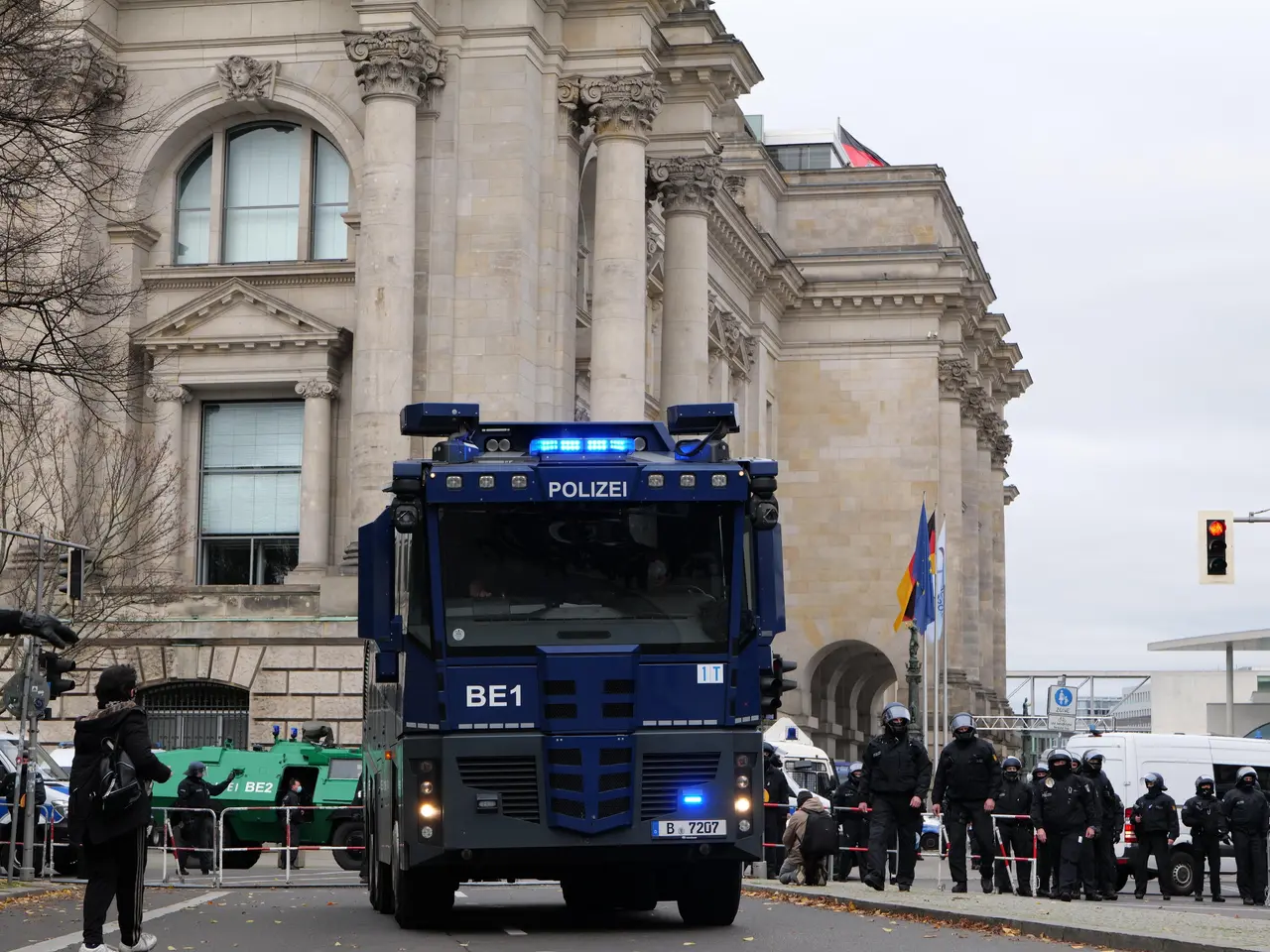
Thursday, March 12, evening—Frankfurt's Bahnhofsviertel district. Once again, police are conducting a major raid, deploying 200 officers. By the time Hesse's CDU state premier, Boris Rhein, and his CDU interior minister, Roman Poseck, arrive on the scene, the operation is already in full swing: between 40 and 50 people stand facing the wall, hands behind their backs, as officers search them, according to a report by the Frankfurter Neue Presse.
That evening, 414 individuals were checked. In 36 cases, officers found illegal drugs, violations of the weapons ban zone, or breaches of residency laws. Large-scale raids like this are a regular occurrence in Frankfurt's Bahnhofsviertel. Yet for the two CDU politicians, the spectacle held something special.
The event served as the unveiling of a new police tool: an app capable of identifying people. It's called the GES app, and Frankfurt has been its testing ground for several weeks. Authorities claim it has already been used successfully on multiple occasions. No other German state employs such technology—until now, it has been most closely associated with U.S. Immigration and Customs Enforcement (ICE) officers, who use mobile cameras to identify individuals during checks.
A Photo Database of 5.5 Million People
When Frankfurt police encounter suspects who refuse or are unable to provide ID, officers take their photos using service smartphones. The GES app then submits these images to the Federal Criminal Police Office's (BKA) facial recognition system, which cross-references them against a database of nearly 5.5 million individuals. The images come from INPOL, Germany's national police database, which includes mugshots of people processed for identification purposes, as well as additional photos collected or seized during investigations.
If a match is found, the officer's phone displays the person's name, date of birth, and potentially other details. INPOL's records may also include comparison photos, active warrants, and personal flags—such as notes like "infectious disease risk" or "mental or behavioral disorder."
The app is a joint project between Hesse's State Criminal Police Office, the BKA, and an innovation unit within the Hesse police force. During his visit to Frankfurt, Hesse's interior minister remarked that police agencies across Germany were eyeing the high-tech surveillance system with envy. It seems likely that other state and federal police departments will soon adopt the GES app as well.
Even before this, Frankfurt had already been a pioneer in facial recognition. Since the summer of 2025—another national first—the district has used live facial recognition via fixed video cameras, further cementing its reputation as a testing ground for cutting-edge surveillance.
Read also:
- American teenagers taking up farming roles previously filled by immigrants, a concept revisited from 1965's labor market shift.
- Weekly affairs in the German Federal Parliament (Bundestag)
- Landslide claims seven lives, injures six individuals while they work to restore a water channel in the northern region of Pakistan
- Escalating conflict in Sudan has prompted the United Nations to announce a critical gender crisis, highlighting the disproportionate impact of the ongoing violence on women and girls.