Frankfurt in Campaign: Dispute over Traffic and Drug Policy - Frankfurt's political turmoil deepens ahead of pivotal local elections
Political tensions in Frankfurt are rising as disputes over drug policy and transport changes dominate the agenda. With local elections approaching, the conflict over Frankfurt's drug policy has deepened after the FDP withdrew from the coalition in the Römer city hall. This move has left the municipal parliament with shifting majorities, complicating decision-making. The CDU and FDP are now pushing for stricter drug enforcement, clashing with the city's long-standing liberal approach, known as the 'Frankfurt Way'. Despite the criticism, the administration is moving forward with a new addiction support centre.
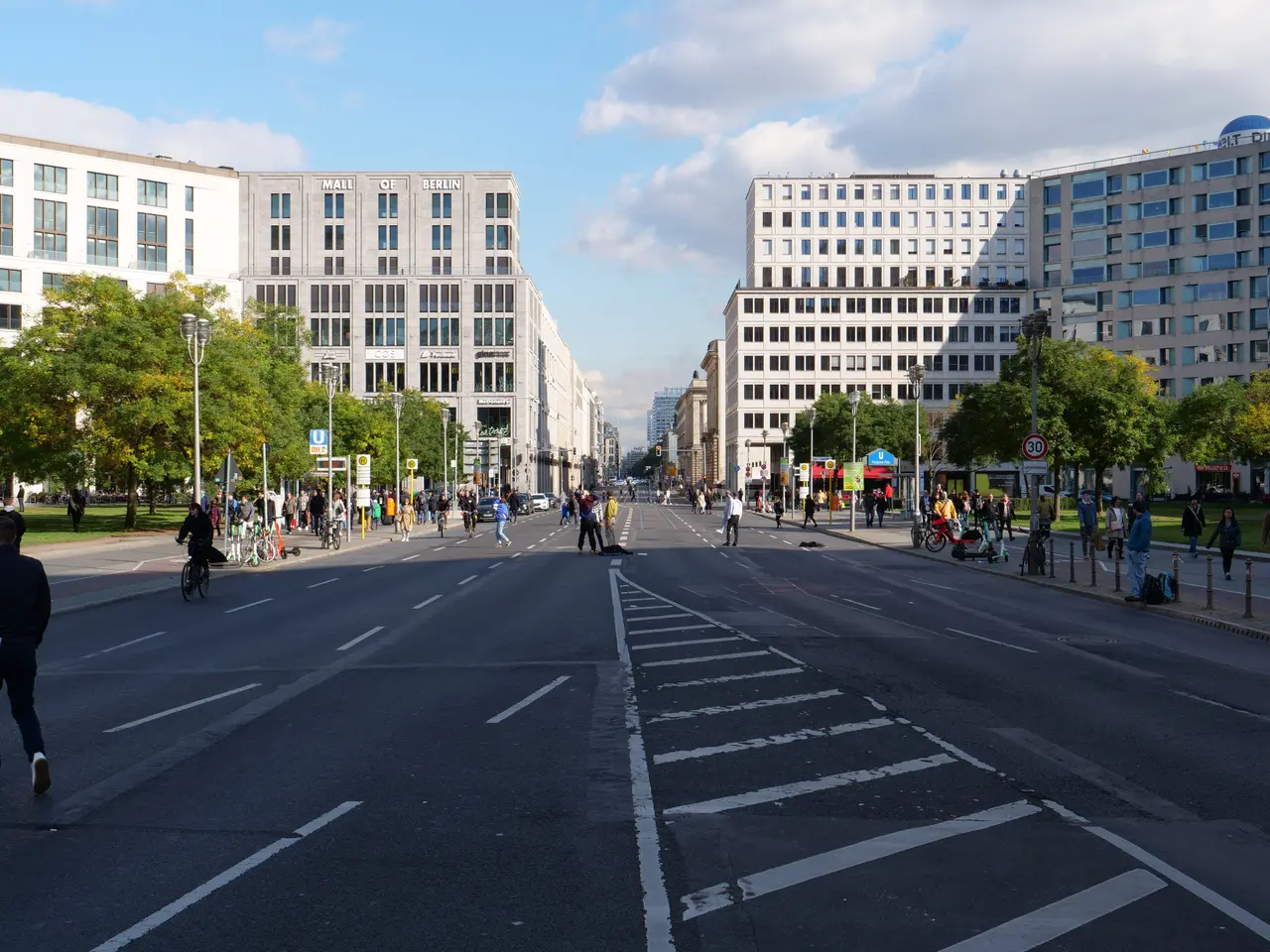
At the same time, transport policies are causing further division. The expansion of bike lanes, widespread 30 km/h speed limits, and reduced parking options have drawn opposition. Critics argue these measures are being imposed too quickly, while supporters say they are necessary for a greener, safer city.
The debates come as Frankfurt, Hesse's largest city, prepares for local elections. The Green-led departments remain under pressure, particularly over their management of the drug scene in Bahnhofsviertel, where open drug use has been a persistent issue.
The political fallout from these disputes is already visible, with the FDP's exit from the coalition reshaping city governance. The upcoming elections will determine whether Frankfurt continues its current policies or shifts toward a stricter approach. For now, the city remains divided over how to balance liberal values with public safety and urban planning.
Read also:
- American teenagers taking up farming roles previously filled by immigrants, a concept revisited from 1965's labor market shift.
- Weekly affairs in the German Federal Parliament (Bundestag)
- Landslide claims seven lives, injures six individuals while they work to restore a water channel in the northern region of Pakistan
- Escalating conflict in Sudan has prompted the United Nations to announce a critical gender crisis, highlighting the disproportionate impact of the ongoing violence on women and girls.