Freed Belarusian activist urges Lithuania to ease travel restrictions in Zoom talks
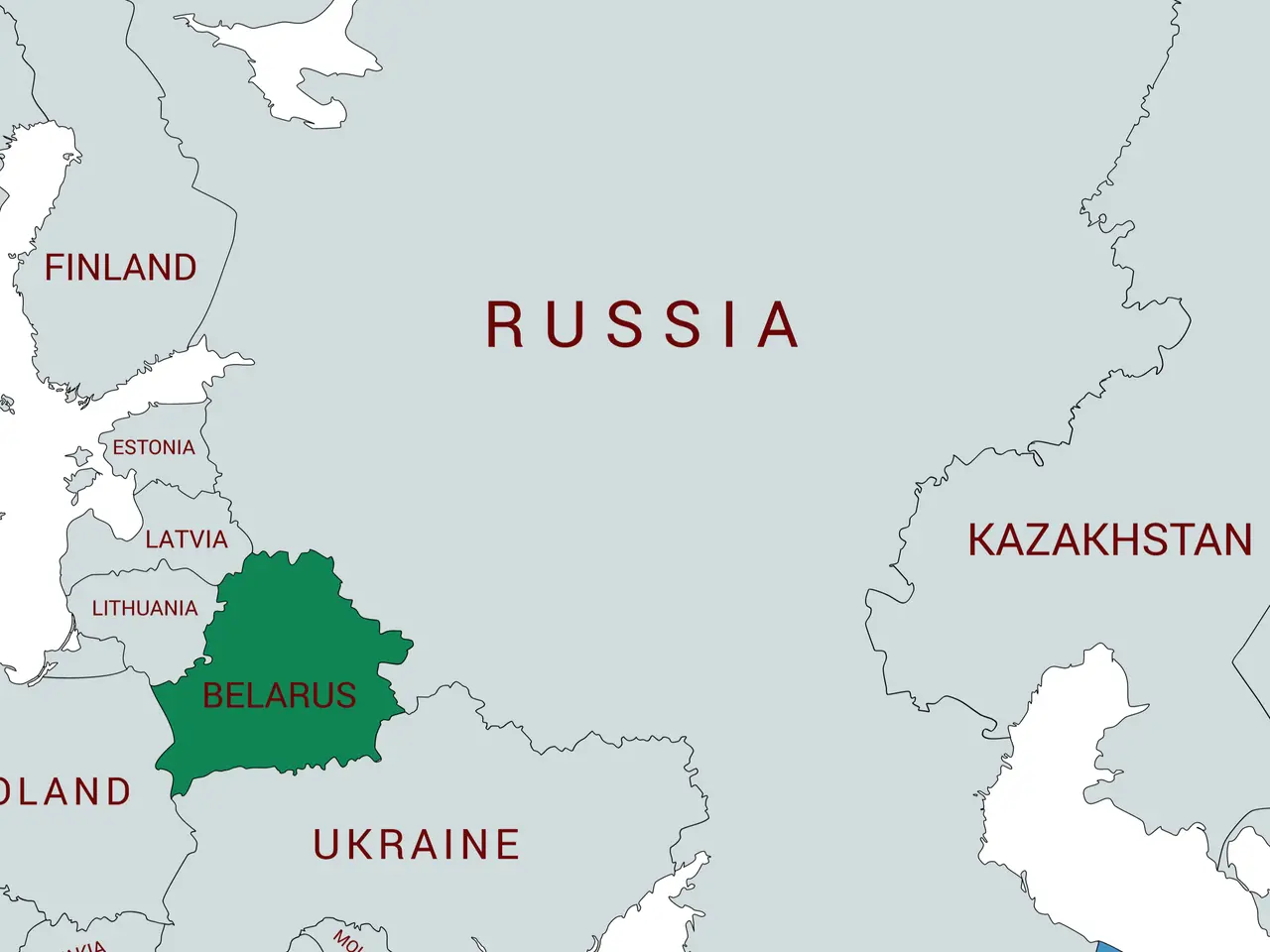
Lithuanian Prime Minister Inga Ruginienė met with recently freed Belarusian opposition figure Maria Kalesnikava on 3 February. The meeting, held via zoom meeting, came weeks after Kalesnikava's release from prison, where she had been held since 2020 for protesting against Alexander Lukashenko's disputed re-election. Discussions focused on cross-border travel and political support, but Lithuania ruled out any immediate changes.
Kalesnikava was arrested in September 2020 during mass demonstrations against Lukashenko's government. She spent over five years in detention before her release in December 2025, alongside 122 other political prisoners. Her imprisonment drew international attention, with the EU repeatedly calling for free elections in Belarus and honouring her with awards for her opposition role.
During her zoom meeting with Ruginienė, Kalesnikava proposed easing travel restrictions for Belarusian citizens. She suggested restoring the Minsk-Vilnius rail connection and reopening bus routes between the two countries. She also urged Lithuania and other European nations to back U.S. initiatives on Belarus, aiming to increase pressure on Lukashenko's regime.
However, Ruginienė dismissed the possibility of expanding border crossings or travel links. She pointed to Belarus's ongoing hybrid attacks, including migrant pushbacks and the seizure of carriers' vehicles, as key obstacles. The prime minister's stance reflected Lithuania's cautious approach, given Belarus's persistent political repression and economic isolation since 2020.
Kalesnikava also held separate talks with Mindaugas Sinkevičius, leader of Lithuania's Social Democratic Party. The discussions likely centred on broader European support for Belarusian opposition groups, though no immediate policy shifts were announced.
The zoom meeting highlighted the deep divide between Lithuania's security concerns and Kalesnikava's push for greater mobility. While her release in 2025 raised hopes for improved relations, Belarus's actions have kept tensions high. For now, Lithuania's border policies remain unchanged, and broader EU-Belarus relations stay strained under ongoing sanctions.
Read also:
- American teenagers taking up farming roles previously filled by immigrants, a concept revisited from 1965's labor market shift.
- Weekly affairs in the German Federal Parliament (Bundestag)
- Landslide claims seven lives, injures six individuals while they work to restore a water channel in the northern region of Pakistan
- Escalating conflict in Sudan has prompted the United Nations to announce a critical gender crisis, highlighting the disproportionate impact of the ongoing violence on women and girls.