Fürth's mayor warns of financial crisis despite job growth and redevelopment success
Fürth's mayor, Thomas Jung, has warned of a deepening financial crisis in the city. Despite job growth from 38,000 to 51,000 since the collapse of major employers like Quelle, rising social costs now outstrip revenue for the first time since 2010. The 61-year-old, Germany's longest-serving mayor of a major city, is also criticising his own party's policies ahead of his re-election bid.
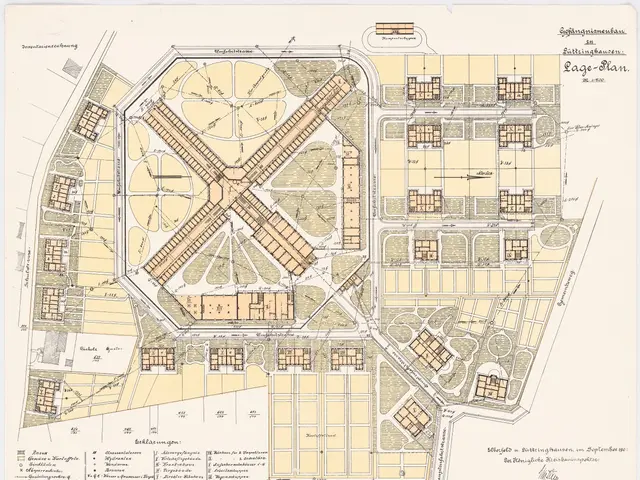
Jung has led Fürth since 2002, guiding its recovery after the bankruptcies of Grundig and Quelle. Under his tenure, nearly 200 hectares of former U.S. military land were redeveloped—190 hectares for businesses and 10 hectares for public parks. These projects helped boost local employment.
Now, however, the city faces a budget shortfall. Jung blames surging expenses in youth welfare, senior support, rental aid, and long-term care. He argues that his party, the SPD, must shift focus from expanding welfare to supporting workers and reforming structures. Pointing to Franz Müntefering's 2007 pension reform—which raised the retirement age to 67—Jung calls for similar bold changes today. He also suggests extending working lives, proposing an open debate on whether people should work until 70 if healthy. His own plans include staying in office until that age, health permitting. Jung's criticism extends to the SPD's current direction. He warns that expanding welfare without reform risks delaying necessary economic adjustments, leaving cities like Fürth vulnerable to future crises.
Fürth's financial strain comes despite job growth and redevelopment success. The city now relies on structural reforms to balance its books. Jung's re-election campaign will test whether voters back his call for change—or prioritise welfare expansion over fiscal restraint.
Read also:
- American teenagers taking up farming roles previously filled by immigrants, a concept revisited from 1965's labor market shift.
- Weekly affairs in the German Federal Parliament (Bundestag)
- Landslide claims seven lives, injures six individuals while they work to restore a water channel in the northern region of Pakistan
- Escalating conflict in Sudan has prompted the United Nations to announce a critical gender crisis, highlighting the disproportionate impact of the ongoing violence on women and girls.