G7 tightens 14th EU sanctions on Russia with oil and diamond bans
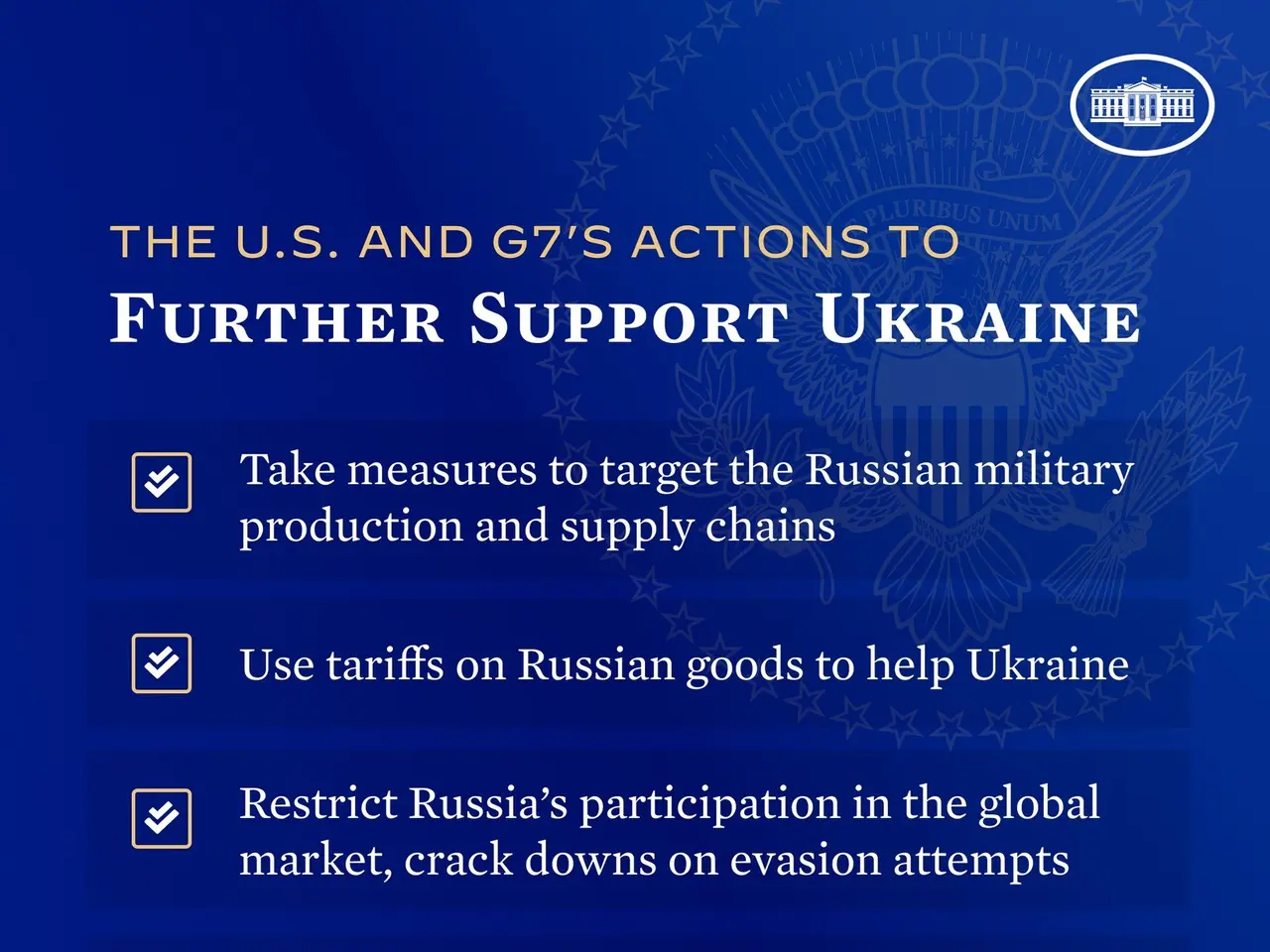
The G7 has announced its latest round of sanctions against Russia, marking the 14th EU package since the conflict in Ukraine began. French President Emmanuel Macron confirmed the measures at a press conference, stating that no existing restrictions would be lifted. The new sanctions target key sectors, including energy, finance, and trade networks extending to third countries.
The June 2024 sanctions package introduces import bans on Russian diamonds and oil. It also imposes price caps on Russian oil exports to third countries, aiming to limit Moscow's revenue. Export restrictions have been expanded to cover 26 suppliers in China, Belarus, and Turkey, focusing on dual-use goods that could support military efforts.
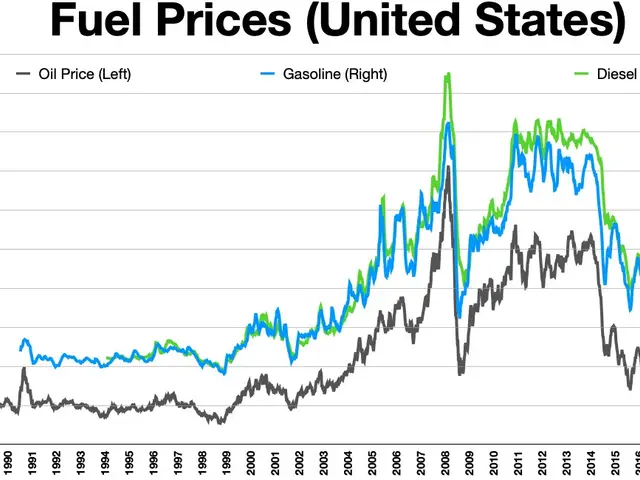
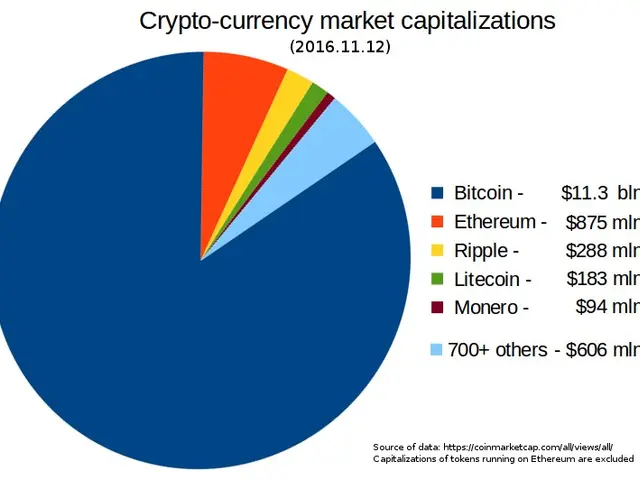
Financial measures include sanctions on 22 additional Russian banks and crypto service providers. These steps are designed to further isolate Russia's economy from global markets. By March 2026, the cumulative effect of these sanctions has pushed Russia into recession, with rising inflation and elevated interest rates. The impact on global oil prices, however, remains mixed. Recent conflicts in the Middle East and strategic reserve releases by the International Energy Agency (IEA) have added complexity to market stability.
The G7's decision reinforces its long-term stance on Russia, with no plans to ease existing restrictions. The latest measures build on previous sanctions, targeting both direct trade and indirect supply chains. Their effects are now visible in Russia's economic downturn, though broader market consequences continue to unfold alongside other geopolitical developments.
Read also:
- American teenagers taking up farming roles previously filled by immigrants, a concept revisited from 1965's labor market shift.
- Weekly affairs in the German Federal Parliament (Bundestag)
- Landslide claims seven lives, injures six individuals while they work to restore a water channel in the northern region of Pakistan
- Escalating conflict in Sudan has prompted the United Nations to announce a critical gender crisis, highlighting the disproportionate impact of the ongoing violence on women and girls.