Georgia cracks down on Tbilisi protests ahead of EU integration rallies
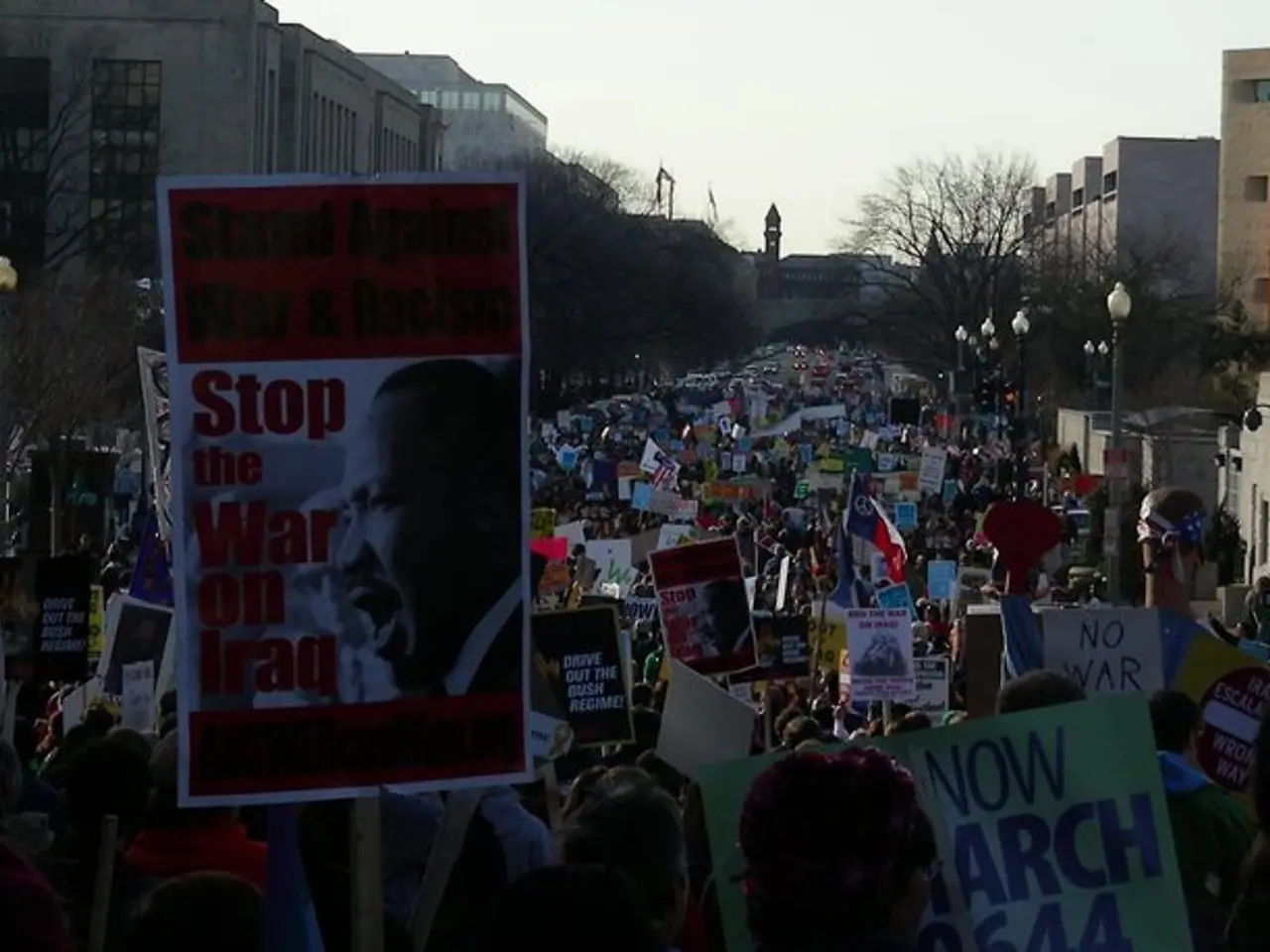
The Georgian government has ordered police to restrict public gatherings on pavements across Tbilisi. The move comes ahead of planned protests on 28 November against decisions seen as blocking Georgia's EU integration. Activists claim the restrictions are legally baseless and aim to suppress dissent in the capital.
Protests in Tbilisi have shifted from static rallies to mobile marches, a tactic that has unsettled the ruling Georgian Dream party. Organisers now face tighter controls, with authorities attempting to ban demonstrations even on sidewalks. Nika Swimoniashvili, a protest leader, argues that these restrictions violate existing laws and will fail to stop the movement.
The restrictions mark an escalation in Georgia's political tensions. With protests planned for late November, clashes between demonstrators and police appear likely. The legality of the pavement bans remains contested, as activists vow to challenge the government's approach in court.
Read also:
- American teenagers taking up farming roles previously filled by immigrants, a concept revisited from 1965's labor market shift.
- Weekly affairs in the German Federal Parliament (Bundestag)
- Landslide claims seven lives, injures six individuals while they work to restore a water channel in the northern region of Pakistan
- Escalating conflict in Sudan has prompted the United Nations to announce a critical gender crisis, highlighting the disproportionate impact of the ongoing violence on women and girls.