Georgia weighs restoring its utility watchdog as power bills soar for households
Eighteen years after Georgia scrapped its consumer utility advocate, calls to bring it back are growing louder. The push comes as electricity costs for households have surged, while industrial users face far smaller increases. Now, newly elected officials and long-time advocates are reviving the debate over whether the state needs an independent watchdog to challenge utility decisions.
The Consumer Utilities Counsel (CUC) was defunded in 2008 and formally abolished two years later. Since then, Georgia has remained one of just four US states without a statutory advocate for utility customers. Former PSC member Robert Baker has campaigned for its return since 2011, arguing that ratepayers lack proper representation in key decisions.
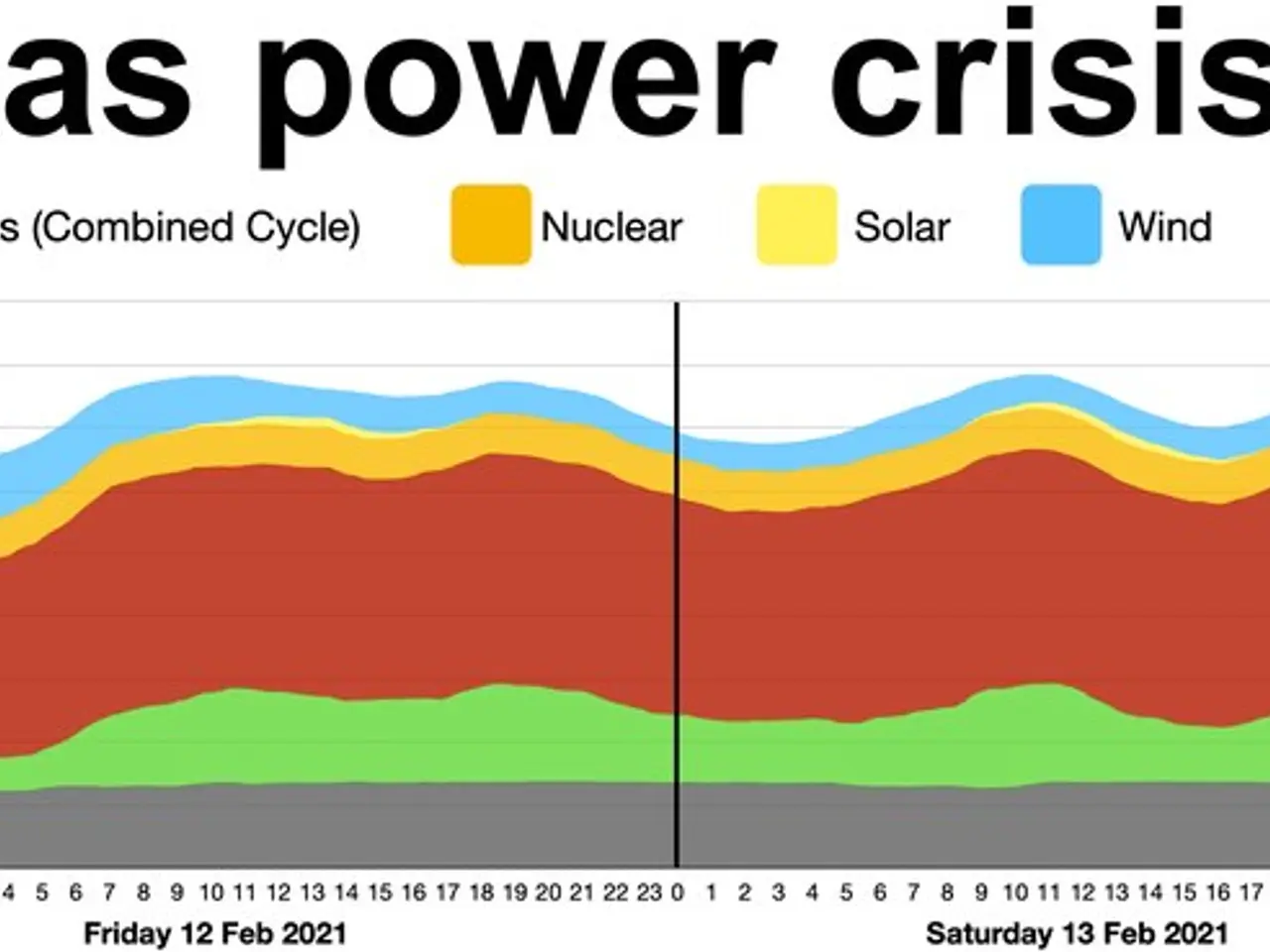
Between 2010 and 2024, residential electricity prices in Georgia jumped by roughly 50 percent, while industrial rates rose only 15 percent. Critics point to recent PSC approvals, such as a 10-gigawatt energy expansion for data centres, where customers will shoulder much of the cost. The absence of the CUC has also changed how cases are handled: some decisions now take as little as a day, compared to months-long processes in states like South Carolina, where consumer offices ensure greater transparency and public involvement.
Sen. Chuck Hufstetler has backed a bill to restore the CUC, insisting that an independent advocate is essential to balance utility influence. The revived office would have equal access to data as Georgia Power and PSC staff, allowing it to participate in settlements and push back on rate hikes. Yet utilities have long resisted the idea, and some lawmakers opposing the bill have received campaign funds from energy companies.
The PSC itself is now split. Two newly elected Democratic commissioners support the CUC's return, while Republican members and lawmakers remain opposed. Without it, they argue, decisions on power plants and pricing will continue to favour utilities over households and small businesses.
If revived, the CUC would mark a major shift in how Georgia regulates energy costs. It would give residential and small business customers a formal voice in rate cases for the first time in over a decade. The outcome of the current legislative push will determine whether the state's approach to utility oversight changes—or stays the same.
Read also:
- American teenagers taking up farming roles previously filled by immigrants, a concept revisited from 1965's labor market shift.
- Weekly affairs in the German Federal Parliament (Bundestag)
- Landslide claims seven lives, injures six individuals while they work to restore a water channel in the northern region of Pakistan
- Escalating conflict in Sudan has prompted the United Nations to announce a critical gender crisis, highlighting the disproportionate impact of the ongoing violence on women and girls.