Georgian migrants protest in Berlin as Tbilisi tightens election rules
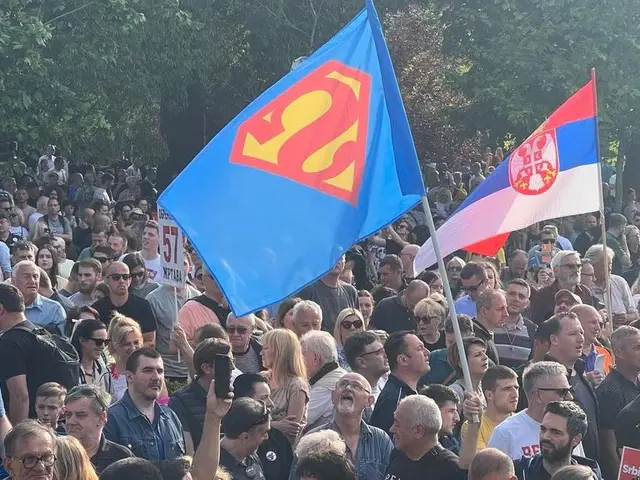
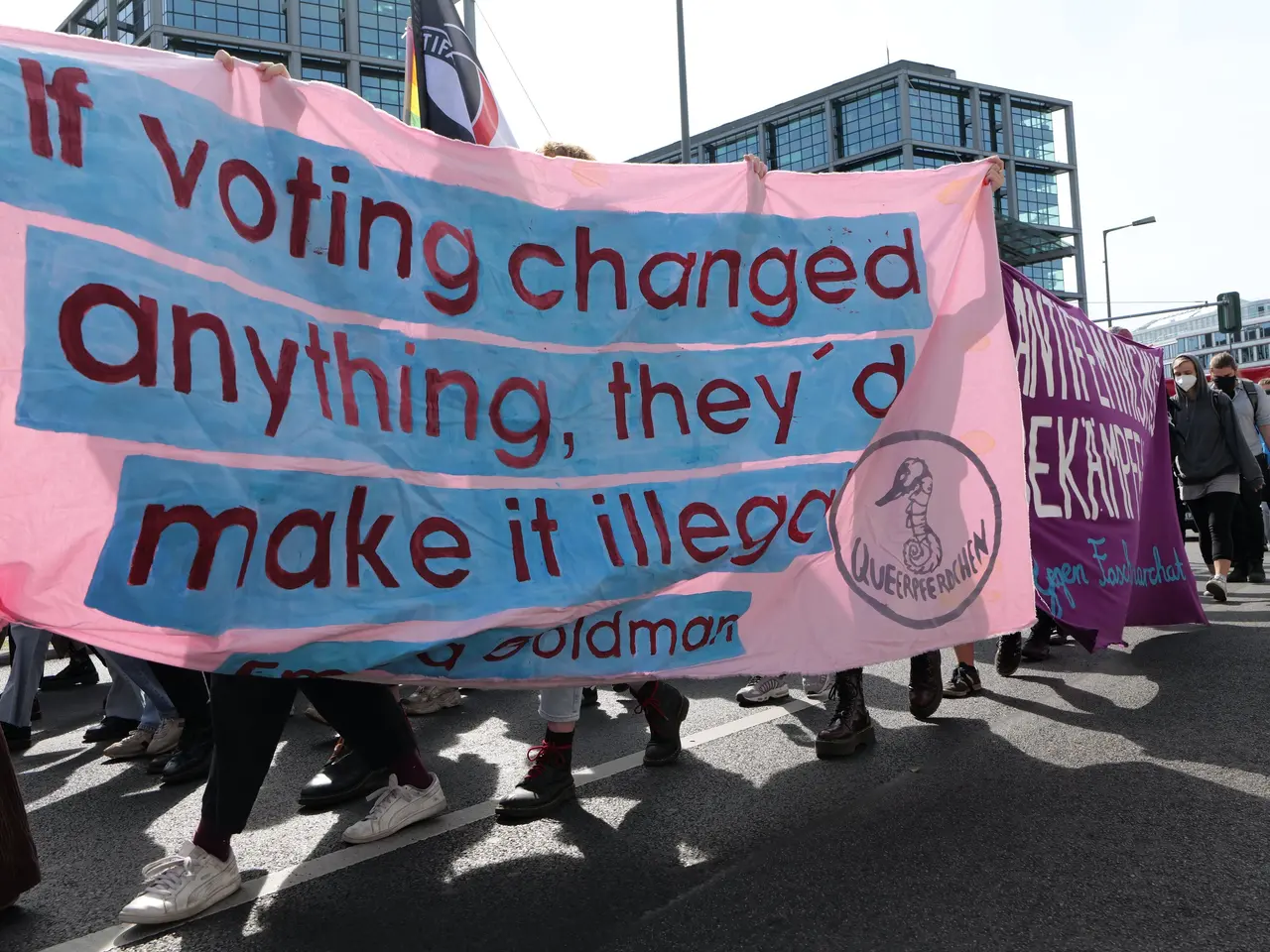
Georgian migrants gathered in Berlin on 28 November 2025 to mark one year of daily anti-government protests in Tbilisi. The demonstrations followed Prime Minister Irakli Kobakhidze's announcement that Georgia's EU accession bid would be paused until 2028. Meanwhile, the Georgian parliament moved to ban overseas voting in elections, sparking further criticism from abroad. The protests began after Kobakhidze declared Georgia would not pursue EU membership until at least 2028. This decision led to widespread anger, with daily rallies in Tbilisi and solidarity events across Europe.
On the same day as the Berlin demonstration, Georgian lawmakers approved a bill banning overseas voting in parliamentary elections. Parliamentary Speaker Shalva Papuashvili announced the change as part of a broader revision of the electoral code. Criticism came swiftly from the Georgian diaspora. Ketevan Sharukhia, a member of the France-based group *Géorgie vue de France*, called the voting ban 'a new step towards dictatorship'. Two weeks later, the French parliament passed a resolution condemning Georgia's government for its 'illiberal and authoritarian drift' and reaffirming support for the country's European future.
The voting ban and delayed EU bid have deepened tensions between Georgia's government and its citizens abroad. French lawmakers have now formally criticised Tbilisi's policies, while protests continue in multiple cities. The measures are set to remain in place unless reversed by further political action.
Read also:
- American teenagers taking up farming roles previously filled by immigrants, a concept revisited from 1965's labor market shift.
- Weekly affairs in the German Federal Parliament (Bundestag)
- Landslide claims seven lives, injures six individuals while they work to restore a water channel in the northern region of Pakistan
- Escalating conflict in Sudan has prompted the United Nations to announce a critical gender crisis, highlighting the disproportionate impact of the ongoing violence on women and girls.