German Court Reverses Frankfurt's Ban on Controversial Street Prayers
A Hessian court has overturned Frankfurt's ban on open-air prayers by members of the Imam Ali Mosque. The congregation, linked to Iran's regime, had been holding services on a major street since the mosque's closure last year. The ruling allows the gatherings to continue despite ongoing concerns from local authorities.
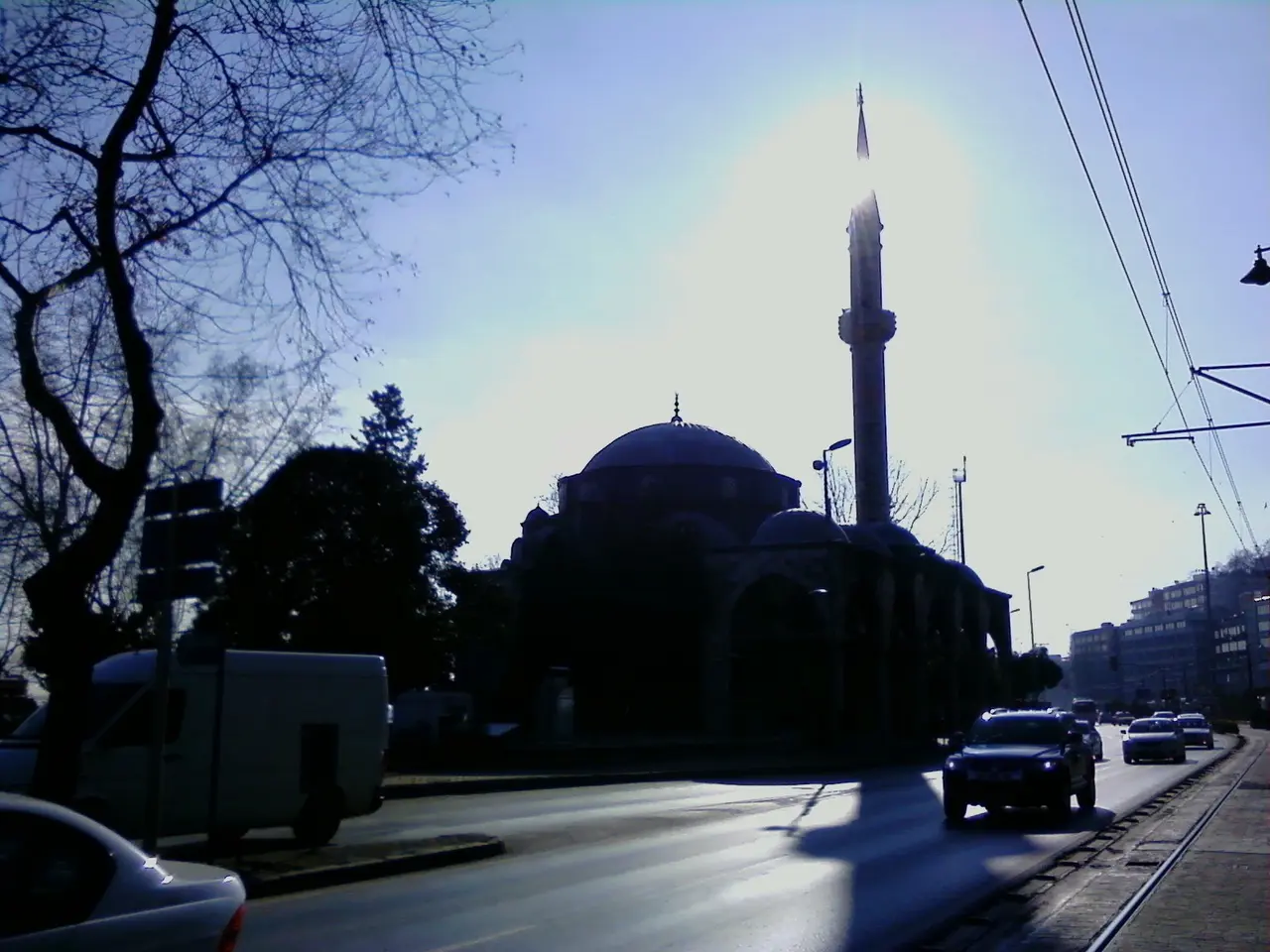
The Imam Ali Mosque was banned by Germany's Federal Interior Ministry in 2023 for its ties to Iran's government. Since then, its members have moved their Thursday and Friday prayers to Eschborner Landstraße, a busy Frankfurt road. These sessions have caused repeated traffic disruptions, with nearly 170 services leading to around 405 hours of lane closures and bus route delays.
The Hessian Administrative Court ruled that the city must permit the open-air rituals. Judges cited the constitutional right to freedom of assembly as the basis for their decision. However, Hesse's Interior Minister Roman Poseck called the outcome troubling and hard to justify. He warned that such rulings risk weakening future ban proceedings under the pretext of protecting assembly rights.
No other mosques or Islamic centres in Germany have faced similar bans or investigations since the 2023 classification of Hamburg's Islamic Center as an 'Islamist association'.
The court's decision means the congregation can legally continue its street prayers. Traffic diversions and closures on Eschborner Landstraße will persist as a result. Authorities now face the challenge of balancing public order with constitutional freedoms.
Read also:
- American teenagers taking up farming roles previously filled by immigrants, a concept revisited from 1965's labor market shift.
- Weekly affairs in the German Federal Parliament (Bundestag)
- Landslide claims seven lives, injures six individuals while they work to restore a water channel in the northern region of Pakistan
- Escalating conflict in Sudan has prompted the United Nations to announce a critical gender crisis, highlighting the disproportionate impact of the ongoing violence on women and girls.