Judgment is final: Pain grip on climate activist was wrong - German Court Rules Berlin Police Used Excessive Force on Climate Activist
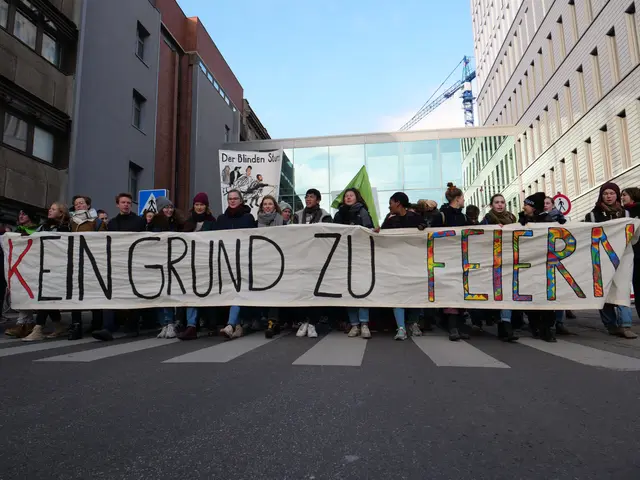
A German court has upheld a ruling that Berlin police used excessive force against a climate activist during a protest in April 2023. The decision follows an appeal by police, which was rejected by the Berlin-Brandenburg Higher Administrative Court. The case centers on the use of a painful compliance hold, known as the Schmerzgriff, during a sit-in blockade.
The incident occurred during the ACAB-Day demonstration in Berlin-Friedrichshain, an event protesting police brutality. Around 1,000 people gathered at Helsingforser Platz, with 500 officers deployed. The protest turned violent, with bottles and fireworks thrown at police, leaving eight officers injured and resulting in 25 arrests. Authorities dissolved the demonstration shortly before 22:30.
In March 2025, the Administrative Court ruled that officers had acted disproportionately by using the painful hold. Judges found that the activist could have been carried from the road instead. While pain compliance techniques are not automatically unlawful, the court stated they must be justified by the situation. The Higher Administrative Court’s rejection of the police appeal finalized the decision. This confirms that the force used was deemed unnecessary in this case.
The ruling sets a clear limit on when police can use painful holds during protests. Officers must now ensure such techniques are strictly proportionate to the circumstances. The case highlights ongoing scrutiny over police conduct in public demonstrations.
Read also:
- American teenagers taking up farming roles previously filled by immigrants, a concept revisited from 1965's labor market shift.
- Weekly affairs in the German Federal Parliament (Bundestag)
- Landslide claims seven lives, injures six individuals while they work to restore a water channel in the northern region of Pakistan
- Escalating conflict in Sudan has prompted the United Nations to announce a critical gender crisis, highlighting the disproportionate impact of the ongoing violence on women and girls.