Iran War Drives Up Fuel Prices and Drivers to Poland - German drivers flood Polish gas stations to escape soaring fuel prices
German drivers are increasingly crossing into Poland to fill up their tanks as fuel prices surge in Germany. The price gap has widened sharply, with Polish stations offering premium gasoline for up to 45 cents less per litre. Long queues have now formed at border stations as more motorists take advantage of the savings.
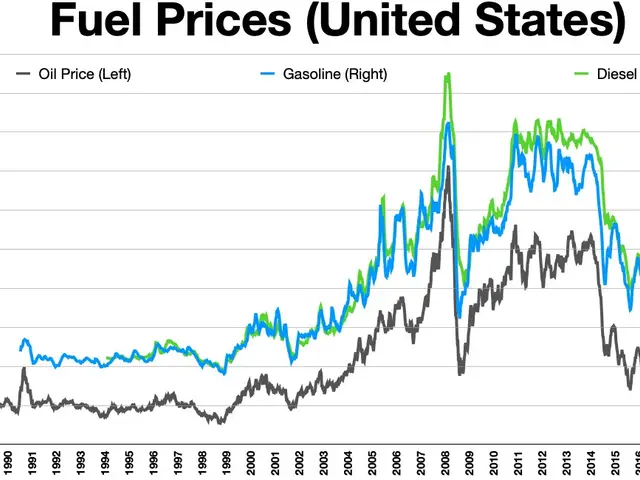
Fuel costs in Germany have climbed steeply since the escalation of the Iran conflict. On 6 March 2026, diesel reached an average of €2.109 per litre, while Super E10 hit €2.014—both rising by over 10 cents in just a few days. Meanwhile, Polish stations continue to sell regular gasoline for around €1.40, premium at €1.55, and diesel at €1.50.
The difference is driven by Poland's lower base prices and reduced tax rates. A weaker Polish złoty against the euro has also made fuel even cheaper for German visitors. Many drivers from Saxony and Ostbrandenburg now cross the border, some even carrying extra jerry cans to maximise savings.
However, the rush has led to delays. Popular stations near the border face long wait times, and haulage firms in Ostbrandenburg struggle as they cannot pass on the higher domestic fuel costs. The gap between German and foreign transport companies continues to grow.
The price disparity shows no signs of narrowing, with German drivers saving nearly 50 cents per litre in Poland. Hauliers and commuters alike are adjusting routes to benefit from the cheaper fuel, despite the added inconvenience of border queues. For now, the trend is expected to persist as long as the tax and currency differences remain.
Read also:
- American teenagers taking up farming roles previously filled by immigrants, a concept revisited from 1965's labor market shift.
- Weekly affairs in the German Federal Parliament (Bundestag)
- Landslide claims seven lives, injures six individuals while they work to restore a water channel in the northern region of Pakistan
- Escalating conflict in Sudan has prompted the United Nations to announce a critical gender crisis, highlighting the disproportionate impact of the ongoing violence on women and girls.