Cheaper fuel - Heavy traffic at Luxembourg petrol stations - German fuel prices soar to 2024 highs as Middle East tensions disrupt oil supplies
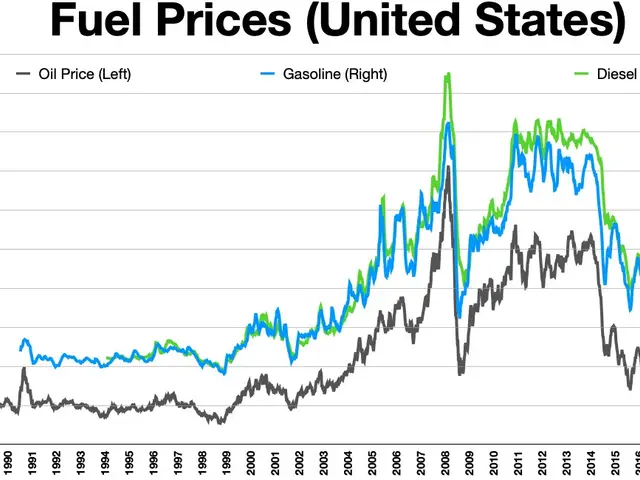
Fuel prices near me in Germany have hit their highest levels since 2024, driven by rising tensions in the Middle East. The surge follows US and Israeli airstrikes on Iran in April 2024, which disrupted oil supplies and sent Brent crude prices soaring. Drivers are now facing perplexing costs at the pump, with diesel briefly becoming more expensive than petrol—a rare shift in pricing.
The conflict's impact on oil markets was immediate. Brent crude initially spiked to $82.37 per barrel, its highest since July 2024, before dipping to around $78. By March 2026, prices climbed further to $85.12 as tensions blocked the Strait of Hormuz, a critical shipping route. Despite Iran continuing exports, fears of supply shortages pushed European fuel prices to new highs.
In Germany, the cost of diesel reached €2.109 per litre on Friday morning, while Super E10 petrol averaged €2.014. The increases were sharp: diesel jumped by over 10 cents per litre from Monday to Tuesday, and both fuels rose again by at least a cent the following day. For the first time in months, diesel became pricier than petrol.
Many German drivers are now crossing the border to Luxembourg for cheaper fuel. In Wasserbillig, just 11 kilometres from Trier, diesel sells for €1.69 per litre and Super 95 petrol for €1.52—significantly lower than German rates. Prices there also follow a daily pattern, peaking in the early morning before gradually falling.
The prolonged price hikes could push inflation up by over 1% if tensions persist. With no immediate end to the Middle East conflict, fuel costs may remain high, forcing drivers to seek alternatives. For now, cross-border trips to Luxembourg offer some relief from the steep expenses at German pumps.
Read also:
- American teenagers taking up farming roles previously filled by immigrants, a concept revisited from 1965's labor market shift.
- Weekly affairs in the German Federal Parliament (Bundestag)
- Landslide claims seven lives, injures six individuals while they work to restore a water channel in the northern region of Pakistan
- Escalating conflict in Sudan has prompted the United Nations to announce a critical gender crisis, highlighting the disproportionate impact of the ongoing violence on women and girls.