German Green Party slams fossil fuel reliance as fuel prices soar above EU average
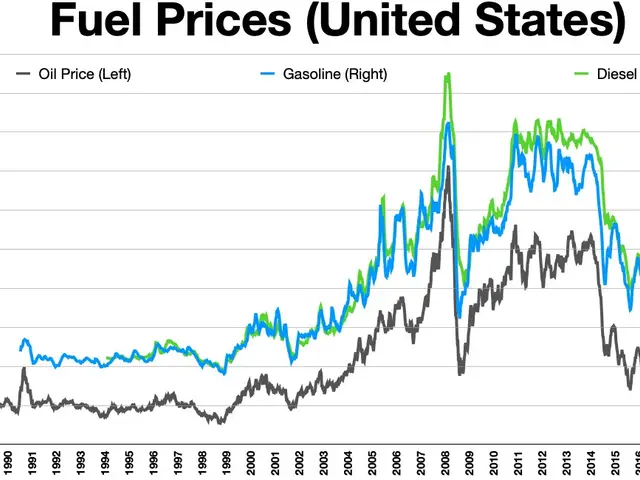
Green Party lawmaker Anton Hofreiter has sharply criticised the German government's plans to reduce fuel and energy costs. He argues that relying on fossil fuels again would make the country vulnerable, pointing to past mistakes like dependence on Russian energy. His comments come as fuel prices in Germany have surged far above the EU average.
Hofreiter questioned the government's logic in turning back to fossil fuels, especially after Russia's invasion of Ukraine exposed the risks of energy reliance. He stressed that the only lasting fix for high fuel prices lies in expanding renewable energy and electromobility.
For drivers who charge electric cars at home, fuel price hikes have had no impact. Hofreiter also supported using antitrust laws to tackle the issue, as market dominance appears to be driving up costs. Meanwhile, Germany has already allocated 11.5 billion euros for Ukraine in 2026 and approved over 400 million euros for nearly 1,900 new electric buses, with another 500 million euros planned for 2026.
However, a proposed subsidy for electric cars faces delays. EU rules now require a minimum share of European-made components, which clashes with current affordable imports.
The government's approach remains under scrutiny as fuel prices stay high. Hofreiter's push for renewables and antitrust action reflects broader concerns about energy security and cost control. With subsidies for electric buses moving forward but e-car incentives stalled, the debate over Germany's energy future continues.
Read also:
- American teenagers taking up farming roles previously filled by immigrants, a concept revisited from 1965's labor market shift.
- Weekly affairs in the German Federal Parliament (Bundestag)
- Landslide claims seven lives, injures six individuals while they work to restore a water channel in the northern region of Pakistan
- Escalating conflict in Sudan has prompted the United Nations to announce a critical gender crisis, highlighting the disproportionate impact of the ongoing violence on women and girls.