German SMEs embrace robotics to slash costs and boost efficiency
Small and medium-sized businesses in Germany are turning to robotics to cut costs and improve efficiency. A recent event, Forum Mittelstand, highlighted how automation can help these firms stay competitive. The gathering took place in Willich, organised by the WFG economic development agency.
At the event, experts discussed affordable solutions for companies often hesitant about adopting new technology. Real-world examples showed how robotics can reduce downtime and boost productivity—even for smaller manufacturers.
The Forum Mittelstand event on April 28 brought together business leaders at action medeor in Tönisvorst. The focus was on leadership, company culture, and integrating automation into daily operations. Willich's Mayor Christian Pakusch and Dr. Thomas Jablonski attended, alongside local entrepreneurs.
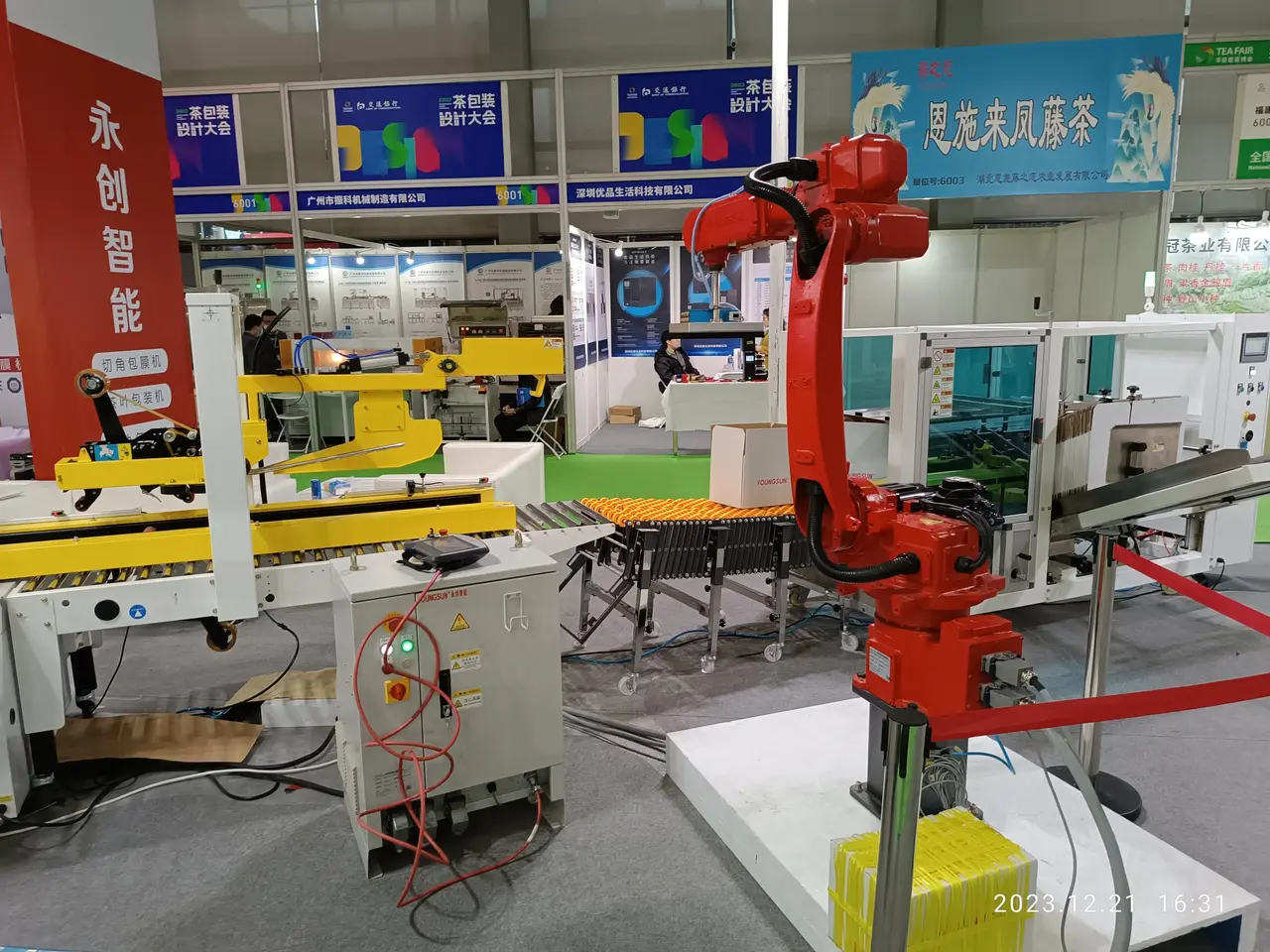
One success story came from Hermann Kohnen Maschinenbau GmbH (HK). The company used robotics to slash machine downtime and increase efficiency. Their efforts earned them the WFG Digital Cup, a prize for digital innovation in manufacturing. Prof. Dr.-Ing. Hendrik Poschmann presented a video of humanoid robots sorting items in a warehouse. These machines, developed by a U.S. firm, demonstrated how automation can streamline repetitive tasks. While large companies like BMW and Schaeffler plan to deploy thousands of humanoid robots by 2035, smaller firms are exploring simpler options. Articulated arm robots remain the most widely used in industry. German SMEs are now testing lightweight robots for circuit board programming and optical inspections using 3D imaging and AI. Wireless sensors also help predict maintenance needs, cutting energy use and avoiding costly breakdowns. Despite the benefits, many smaller businesses still face hurdles, from technical challenges to safety concerns. The event stressed that automation doesn't just speed up production—it also improves quality and allows flexible scaling. For firms like HK, the shift has already paid off in higher output and lower costs.
The next Forum Mittelstand will continue the conversation on April 28 at action medeor in Tönisvorst. Organisers aim to help more SMEs overcome barriers to automation. With real examples and expert advice, the push for smarter manufacturing in Germany's mid-sized sector is gaining momentum.
Read also:
- Federal Funding Supports Increase in Family Medicine Residency Program, Focusing on Rural Health Developments
- Potential Role of DHA in Shielding the Brain from Saturated Fats?
- Alternative Gentle Retinoid: Exploring Bakuchiol Salicylate for Sensitive Skin
- Hanoi initiates a trial program for rabies control, along with efforts to facilitate the transition from the dog and cat meat trade industry.