German wage law sparks backlash from employers over costs and unfair competition
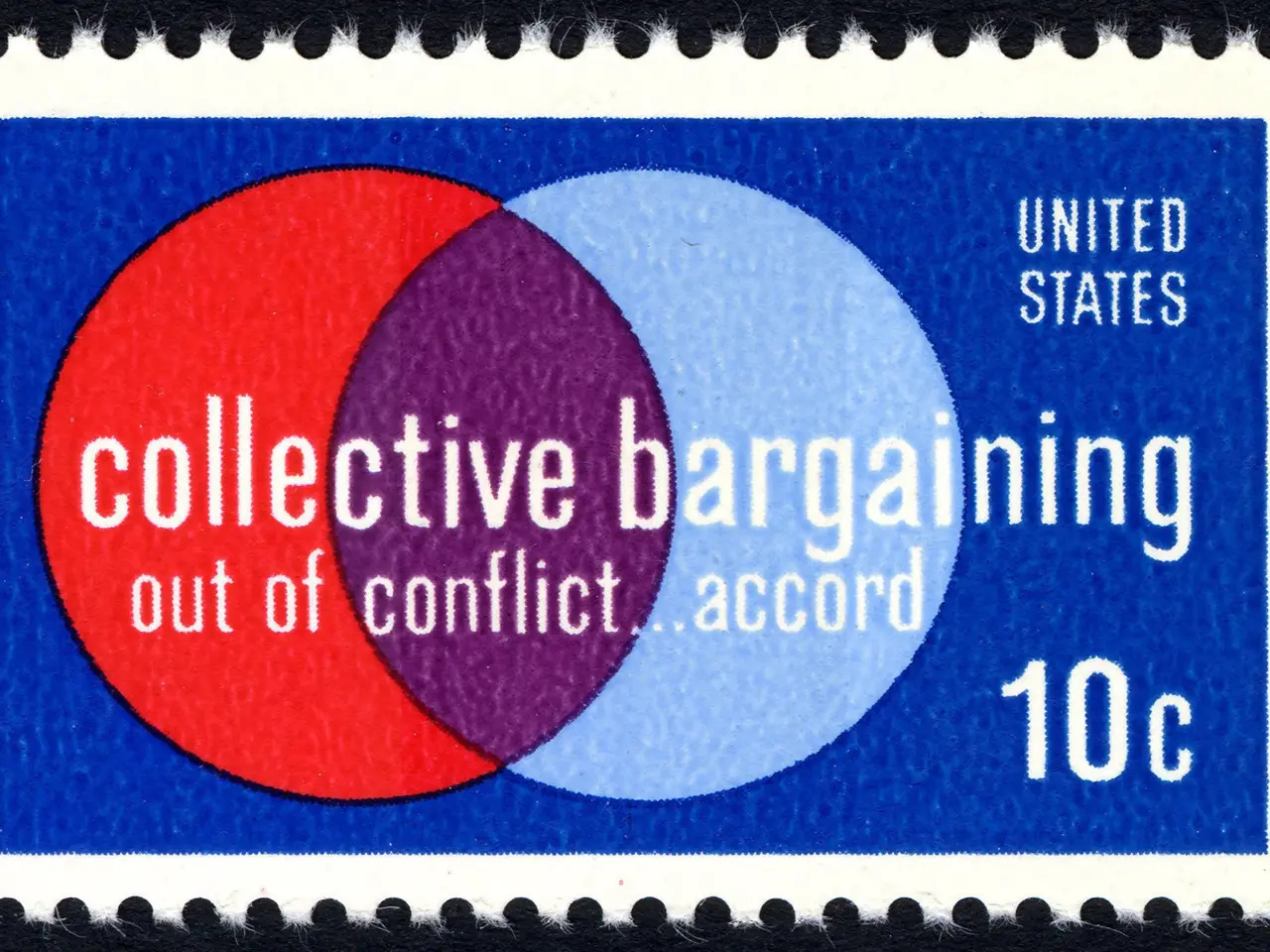
Germany's federal collective bargaining compliance law, the Tariftreuegesetz, has faced sharp criticism from employers. The legislation enforces wage agreements for public contracts but has been called unworkable and costly. Employers also argue it unfairly disadvantages domestic firms while failing to boost wage coverage.
The law requires companies bidding for public contracts to comply with collective bargaining agreements. However, Oliver Zander, head of the employers' association, stated it would not increase wage agreement coverage. Instead, he warned it would raise costs for both businesses and taxpayers.
Criticism has focused on the law's impact on competition. Domestic firms must follow the rules, while foreign companies producing abroad remain unaffected. The association also claimed the law introduces unpredictable liability risks across supply chains. Further concerns include constitutional doubts. The employers' association argued the law discriminates against in-house collective agreements and struggling businesses. They compared it to the Supply Chain Due Diligence Act, citing excessive reporting demands and a lack of trust in companies. Meanwhile, no German state has introduced its own enforcement laws. The federal Tariftreuegesetz covers public contracts, while some states, like Hessen, handle their own tariff negotiations (TV-H). No documented experiences exist on state-level enforcement, as such laws do not yet exist.
The employers' association has dismissed the law as impractical and burdensome. They warn of higher public contract costs and legal uncertainties for businesses. With no state-level enforcement laws in place, the federal rule remains the sole framework—despite ongoing opposition.
Read also:
- American teenagers taking up farming roles previously filled by immigrants, a concept revisited from 1965's labor market shift.
- Weekly affairs in the German Federal Parliament (Bundestag)
- Landslide claims seven lives, injures six individuals while they work to restore a water channel in the northern region of Pakistan
- Escalating conflict in Sudan has prompted the United Nations to announce a critical gender crisis, highlighting the disproportionate impact of the ongoing violence on women and girls.