Klingbeil wants to 'return' oil price profits to citizens - Germany accuses oil firms of exploiting Iran conflict to hike fuel prices
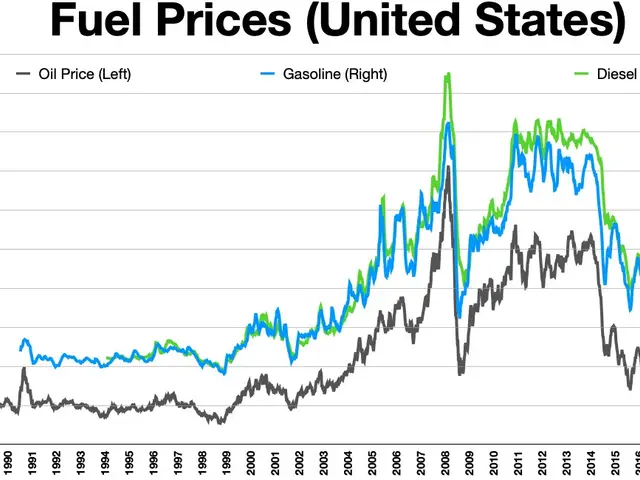
Germany's Finance Minister Lars Klingbeil has accused oil companies of exploiting the Iran conflict to drive up fuel prices. The SPD leader made the claims while campaigning in Rhineland-Palatinate ahead of the state's upcoming election on 22 March.
The minister also called for stricter controls on energy profits and urged a return to negotiations to ease tensions in the Middle East.
Klingbeil, who also serves as federal finance minister, criticised oil firms for making excessive profits at the pump. He demanded that any gains from the crisis be returned to citizens, either through national or EU-level measures. The minister also pushed for full price transparency and tighter antitrust laws to stop companies from exploiting future crises.
During his campaign stop in Rhineland-Palatinate, Klingbeil supported incumbent Minister-President Alexander Schweitzer (SPD). The state's election on 22 March will see the CDU challenging the SPD's hold on power, aiming to become the strongest party.
Addressing the broader conflict, Klingbeil warned that the duration of the Iran crisis remains unpredictable. He stressed the need for renewed diplomacy to prevent further escalation. The minister also distanced Germany from the US stance, declaring: 'This is not our war, and we will not take part in it.'
Meanwhile, the European Commission has not directly responded to Germany's accusations against oil companies. Instead, it announced plans to lower energy prices through measures like state aid, gas subsidies, and price caps. On 4 March, the Commission ruled out a return to Russian fossil fuels and confirmed no immediate supply crisis exists. It also pledged to expand maritime missions Aspides and Atalanta, alongside strengthening the Southern Gas Corridor with Azerbaijan.
Klingbeil's calls for action come as Germany prepares for a key state election. His proposals include stricter profit controls, greater price transparency, and renewed diplomatic efforts. The EU, however, has focused on broader energy measures rather than directly addressing Germany's claims against oil firms.
Read also:
- American teenagers taking up farming roles previously filled by immigrants, a concept revisited from 1965's labor market shift.
- Weekly affairs in the German Federal Parliament (Bundestag)
- Landslide claims seven lives, injures six individuals while they work to restore a water channel in the northern region of Pakistan
- Escalating conflict in Sudan has prompted the United Nations to announce a critical gender crisis, highlighting the disproportionate impact of the ongoing violence on women and girls.