Germany begins massive radioactive waste relocation from Jülich reactor
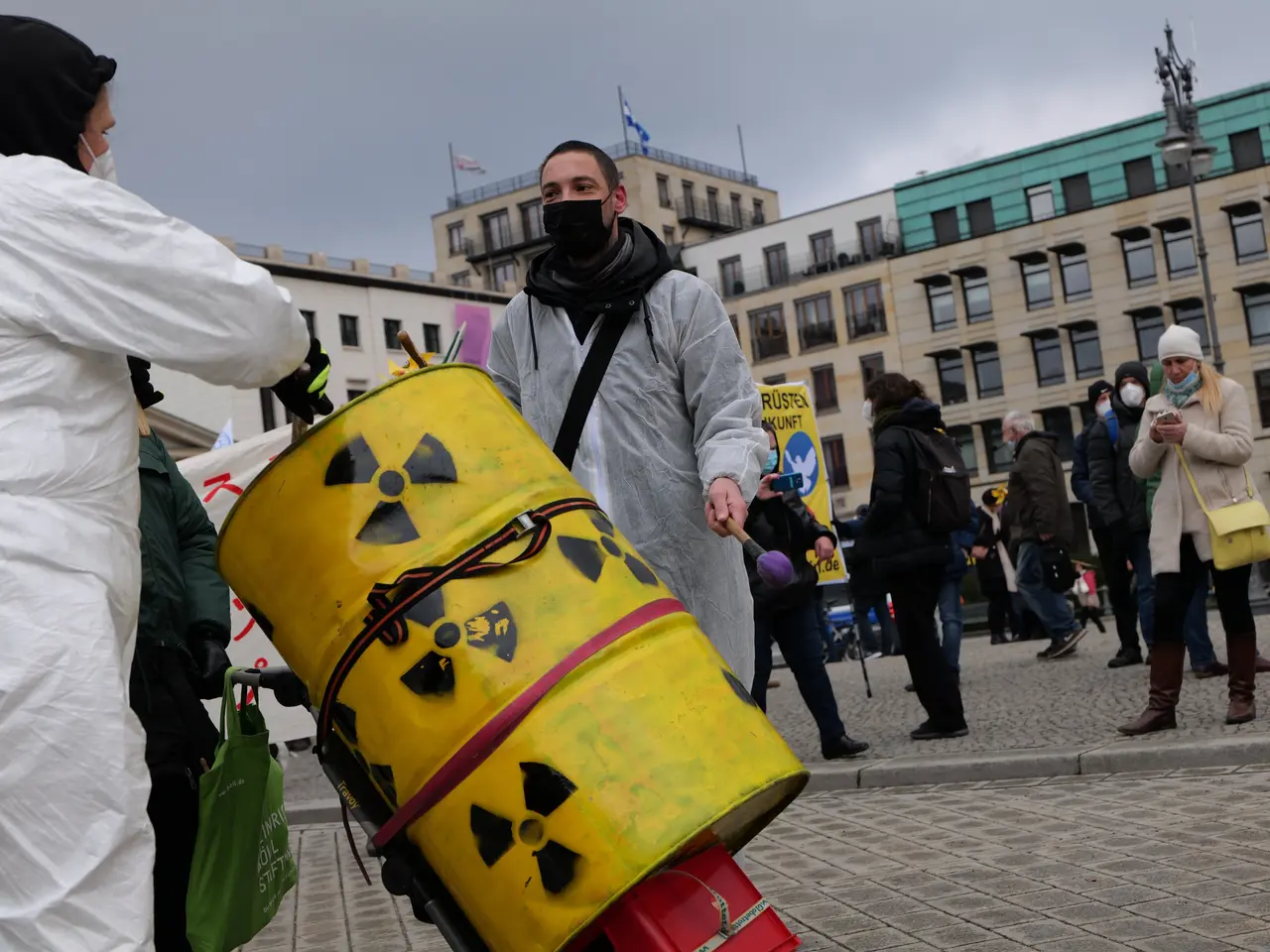
The first of 152 shipments of radioactive waste left the decommissioned Jülich research reactor this week. A heavily guarded convoy transported a 130-tonne Castor cask to an interim storage site in Ahaus. The operation, costing millions and involving thousands of police, marks the start of a lengthy process to relocate all waste by 2027. The cask, carrying around 300,000 spherical fuel elements, departed Jülich early on Wednesday. About 30 protesters gathered at the site as the convoy set off. The route covered roughly 170 kilometres along highways A31, A42, and A46, taking four hours to complete.
Around 2,400 officers escorted the transport, which included nearly 100 vehicles. A no-fly zone for drones was enforced along the highway, as listed on the government's aviation platform. Upon arrival in Ahaus, some 380 demonstrators assembled, though police reported no major disruptions.
The federal government will cover 70% of the €150 million cost for the entire operation. North Rhine-Westphalia's Green party criticised the lack of a long-term storage plan, calling for clearer solutions. Each cask weighs nearly 130 tonnes, measuring 30 metres long and 3 metres wide, requiring specialised logistics.
Further transports will occur every two weeks, mostly at night, until all 152 casks reach Ahaus by August 2027. The schedule involves 38 convoys over 76 weeks, with ongoing security and infrastructure challenges. The first shipment arrived safely, with protesters remaining peaceful. Future transports will follow the same route, under strict police supervision. Authorities must now manage the remaining 151 casks before the 2027 deadline.
Read also:
- American teenagers taking up farming roles previously filled by immigrants, a concept revisited from 1965's labor market shift.
- Weekly affairs in the German Federal Parliament (Bundestag)
- Landslide claims seven lives, injures six individuals while they work to restore a water channel in the northern region of Pakistan
- Escalating conflict in Sudan has prompted the United Nations to announce a critical gender crisis, highlighting the disproportionate impact of the ongoing violence on women and girls.