Germany debates windfall taxes and antitrust laws to curb fuel price volatility
Fuel prices in Germany have remained volatile since Russia's invasion of Ukraine in 2022. While costs have dropped from their peak, politicians and economists are now debating new measures to control industry profits. Proposals include stricter antitrust laws and a windfall tax on fuel companies' earnings.
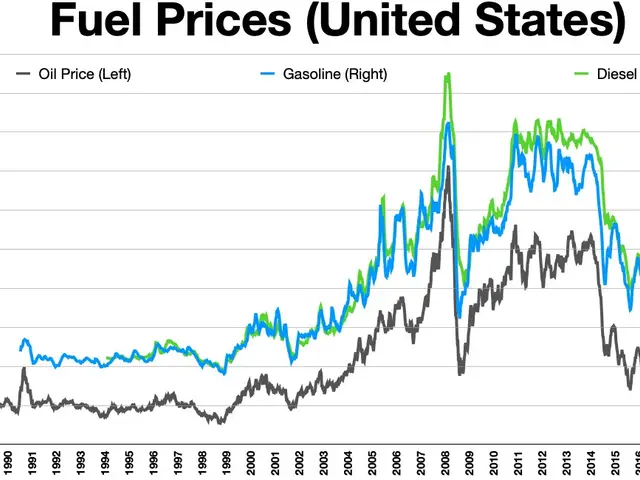
Before the war, German drivers paid an average of 1.67 €/litre for Super E10 and 1.59 €/litre for diesel in January 2022. After the invasion, prices surged, hitting 2.15 €/litre for Superbenzin in March 2022. Annual averages for 2022 settled at 1.86 €/litre for E10 and 1.95 €/litre for diesel. Since then, costs have fluctuated but fallen, with 2025 averages at 1.69 €/litre for E10 and around 1.62 €/litre for diesel—still below the 2022 peak.
The EU already taxed excess profits in 2022-23 with a temporary solidarity levy on oil, gas, coal, and refining firms. Now, Mecklenburg-Vorpommern's state premier, Manuela Schwesig, wants further action. She proposed either banning price-gouging under antitrust law or introducing a new windfall tax. Markus Geier, another official, called on the European Commission to review the 2022 tools designed to curb energy price spikes. Not everyone agrees with targeting so-called 'accidental profits.' Economist Dominik Enste warned that such measures could create economic instability and regulatory complications. Meanwhile, critics note that today's gasoline was refined before the war, raising questions about whether current prices reflect actual supply costs.
The debate highlights ongoing tensions over fuel pricing and corporate profits. If new regulations are introduced, they could reshape how energy markets operate in Germany. For now, prices remain lower than their 2022 peak but still above pre-war levels.
Read also:
- American teenagers taking up farming roles previously filled by immigrants, a concept revisited from 1965's labor market shift.
- Weekly affairs in the German Federal Parliament (Bundestag)
- Landslide claims seven lives, injures six individuals while they work to restore a water channel in the northern region of Pakistan
- Escalating conflict in Sudan has prompted the United Nations to announce a critical gender crisis, highlighting the disproportionate impact of the ongoing violence on women and girls.