Germany delays fossil fuel phase-out as energy crisis deepens amid Iran tensions
Germany is reversing its fossil fuel phase-out as geopolitical tensions push energy prices higher. The conflict involving Iran has disrupted global supply chains, forcing the country to adjust its policies. In response, the government has rolled out new measures to ease the financial burden on households and businesses.
The current energy crisis traces back to decades of instability in the Middle East. The 1953 U.S.-UK coup that removed Iran's Prime Minister Mossadegh set off a chain of events, culminating in the 1979 Islamic Revolution and the Shah's exile. Today, tensions in the region have again flared, with Turkey and Qatar potentially becoming the next targets due to their ties with the Muslim Brotherhood.
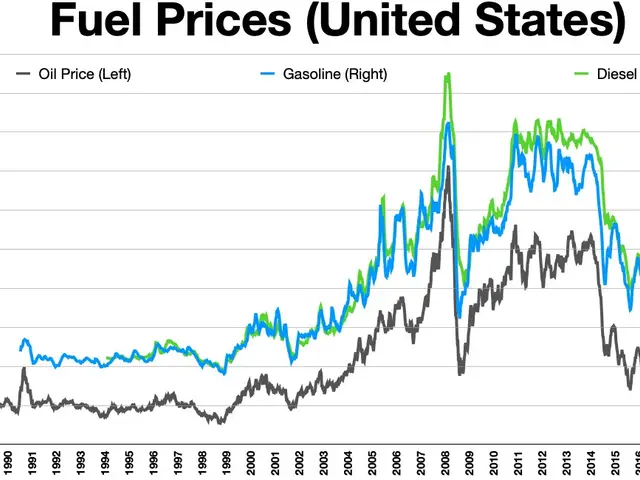
Global oil and gas markets are now in turmoil. LNG tankers reroute to the highest bidders, with East Asia outpaying Europe. Russia, meanwhile, may shift its gas exports from Europe to Asia, tightening supply further. In Germany, only Shell and BP remain as major oil brands, while others have been absorbed by trading firms focusing on refining and distribution.
Prices at German petrol stations adjust almost simultaneously, though no collusion has been proven. The Federal Cartel Office admits it cannot control geopolitically driven price spikes, lacking the tools to influence global markets. To counter rising costs, the government has abolished the gas storage levy from November 28, 2025, and introduced a network fee subsidy from December 12, 2025. The electricity tax will also drop from January 1, 2026.
Further steps include stricter antitrust laws for oil companies and tighter oversight by the Cartel Office to prevent profiteering. A new rule, expected before Easter 2026, will limit fuel price increases at stations to once per day.
Germany's policy reversal comes as the country faces overlapping crises: geopolitical instability, economic strain, and the ongoing climate emergency. The government's measures aim to reduce energy costs, but their long-term impact will depend on how global markets and conflicts evolve. For now, households and businesses must navigate a volatile energy landscape.
Read also:
- American teenagers taking up farming roles previously filled by immigrants, a concept revisited from 1965's labor market shift.
- Weekly affairs in the German Federal Parliament (Bundestag)
- Landslide claims seven lives, injures six individuals while they work to restore a water channel in the northern region of Pakistan
- Escalating conflict in Sudan has prompted the United Nations to announce a critical gender crisis, highlighting the disproportionate impact of the ongoing violence on women and girls.