Germany faces calls for stricter asylum rules and faster deportations
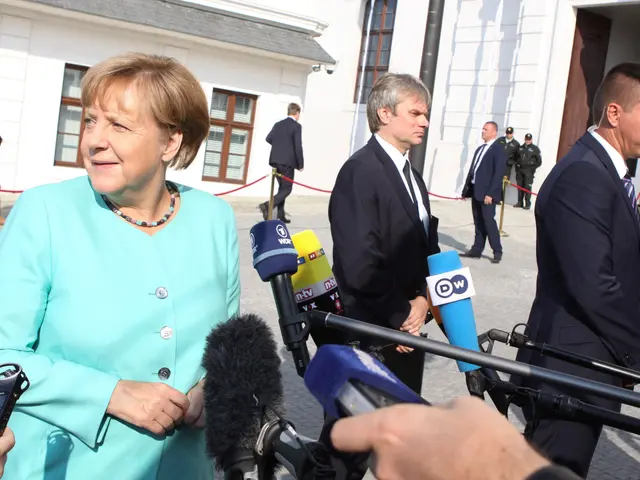
Hendrik Wüst, Minister-President of North Rhine-Westphalia, has pushed for major changes to Germany's asylum system. His proposals include stricter returns for rejected applicants and adjustments to social benefits for asylum seekers. The calls follow concerns over long-term stays by individuals with denied claims and high welfare costs.
Wüst highlighted the case of a Bosnian asylum seeker whose application was rejected in 2003 yet remains in Germany. The individual, with multiple criminal convictions, continues to live in the country with eight children. Bosnia-Herzegovina is classified as a safe country of origin, typically resulting in low asylum approval rates.
The Minister-President argued that rejected asylum seekers must be returned to their home countries without delay. He also proposed reforms to ensure the system better supports those with genuine protection needs. To tackle welfare concerns, Wüst suggested reducing Germany's social benefit rates for asylum seekers. Currently, these payments exceed those in many other EU nations. North Rhine-Westphalia has already introduced a payment card system to limit cash transfers and curb potential abuse. Wüst's comments reflect broader efforts to align Germany's policies with wider European standards. His focus remains on balancing humanitarian obligations with stricter enforcement of asylum rules.
The proposed changes aim to speed up deportations for rejected applicants and reduce welfare costs. North Rhine-Westphalia's payment card trial could serve as a model for other regions. If adopted, the reforms would bring Germany's asylum benefits closer to EU norms while tightening enforcement.
Read also:
- American teenagers taking up farming roles previously filled by immigrants, a concept revisited from 1965's labor market shift.
- Weekly affairs in the German Federal Parliament (Bundestag)
- Landslide claims seven lives, injures six individuals while they work to restore a water channel in the northern region of Pakistan
- Escalating conflict in Sudan has prompted the United Nations to announce a critical gender crisis, highlighting the disproportionate impact of the ongoing violence on women and girls.