Germany probes oil price surges as Iran conflict disrupts global markets
A government task force is now tracking the economic fallout from the Iran conflict. Led by Müller and Armand Zorn of the SPD, the group is focusing on soaring energy costs and potential market abuses. Oil prices have climbed sharply since tensions escalated in early March 2026.
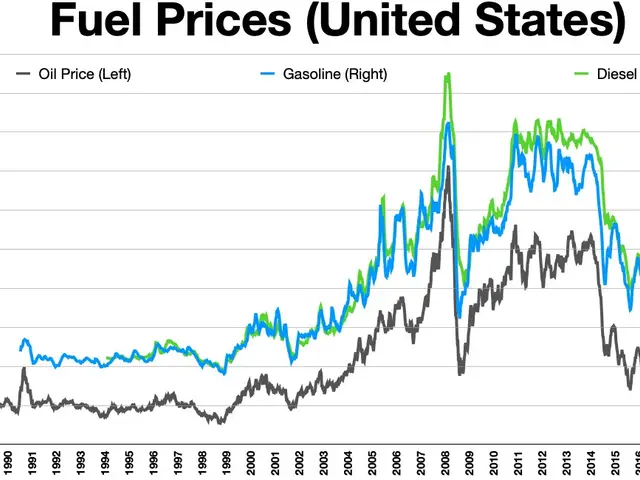
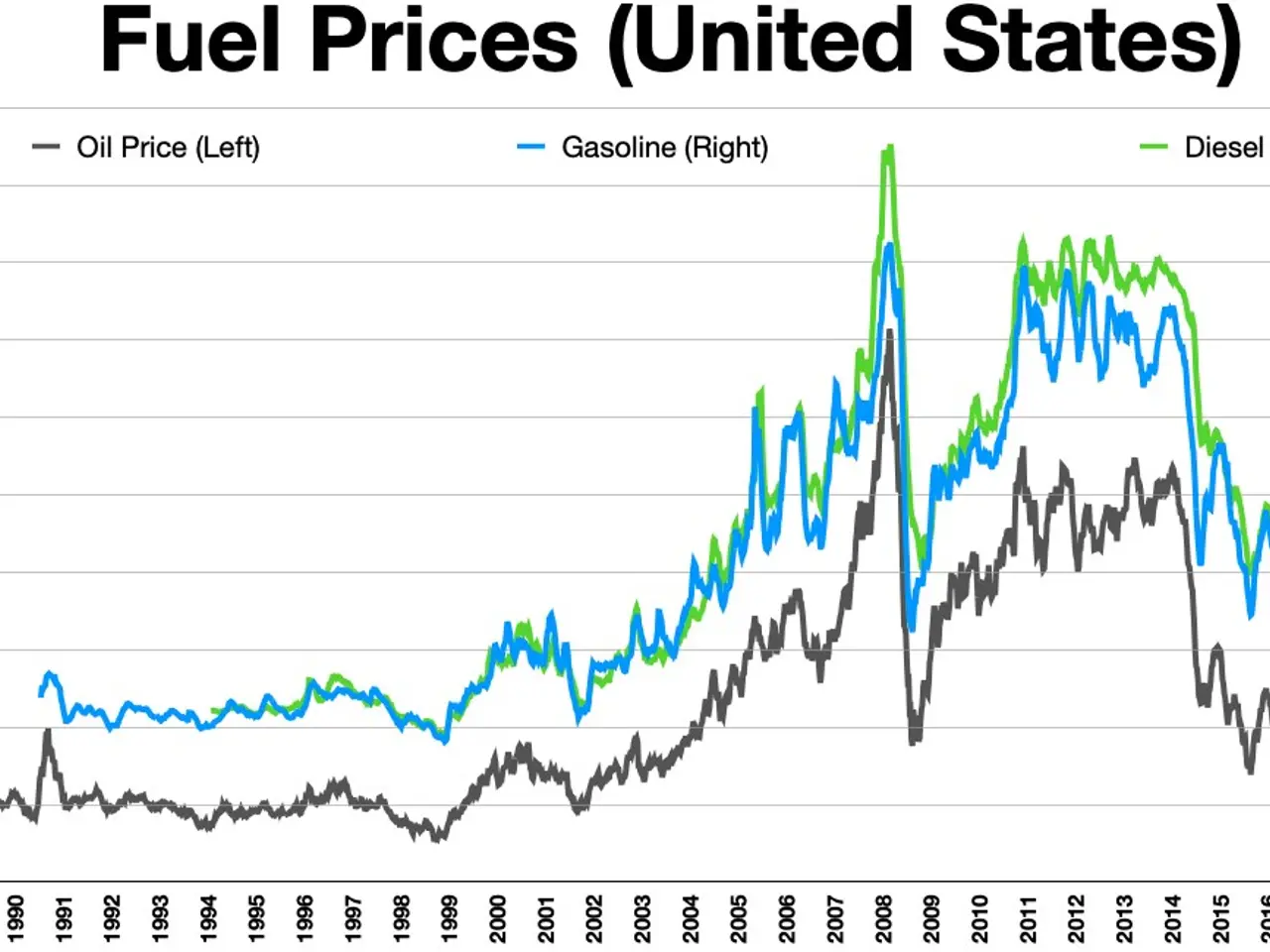
The conflict in Iran has sent oil prices surging, with Brent crude briefly passing 120 USD per barrel. The blockade of the Strait of Hormuz—cutting off 20% of global oil exports—has driven up costs. In Germany, heating oil prices have jumped by over 60% compared to pre-conflict levels. The US Energy Information Administration now expects average prices to stay above 95 USD per barrel for the next two months, with possible spikes between 105 and 150 USD if the crisis drags on.
The task force has called in the Federal Cartel Office and major oil firms for its next meeting. Authorities are examining whether companies exploited the situation, particularly around the expected return of the fuel discount—a scheme that previously cost taxpayers **€3.3 billion**. Müller has raised concerns that some firms may have anticipated policy changes to inflate prices. Under Section 32f of Germany's competition law, regulators can intervene directly in company operations—not just impose fines. This power could be used if evidence of manipulation emerges.
The task force will continue monitoring price movements and corporate behaviour in the coming weeks. If wrongdoing is confirmed, regulators have the tools to take strong action. The economic impact of the Iran conflict remains a key concern for policymakers and consumers alike.
Read also:
- American teenagers taking up farming roles previously filled by immigrants, a concept revisited from 1965's labor market shift.
- Weekly affairs in the German Federal Parliament (Bundestag)
- Landslide claims seven lives, injures six individuals while they work to restore a water channel in the northern region of Pakistan
- Escalating conflict in Sudan has prompted the United Nations to announce a critical gender crisis, highlighting the disproportionate impact of the ongoing violence on women and girls.