Germany Pushes for Closer EU-Ukraine Ties Amid Integration Challenges
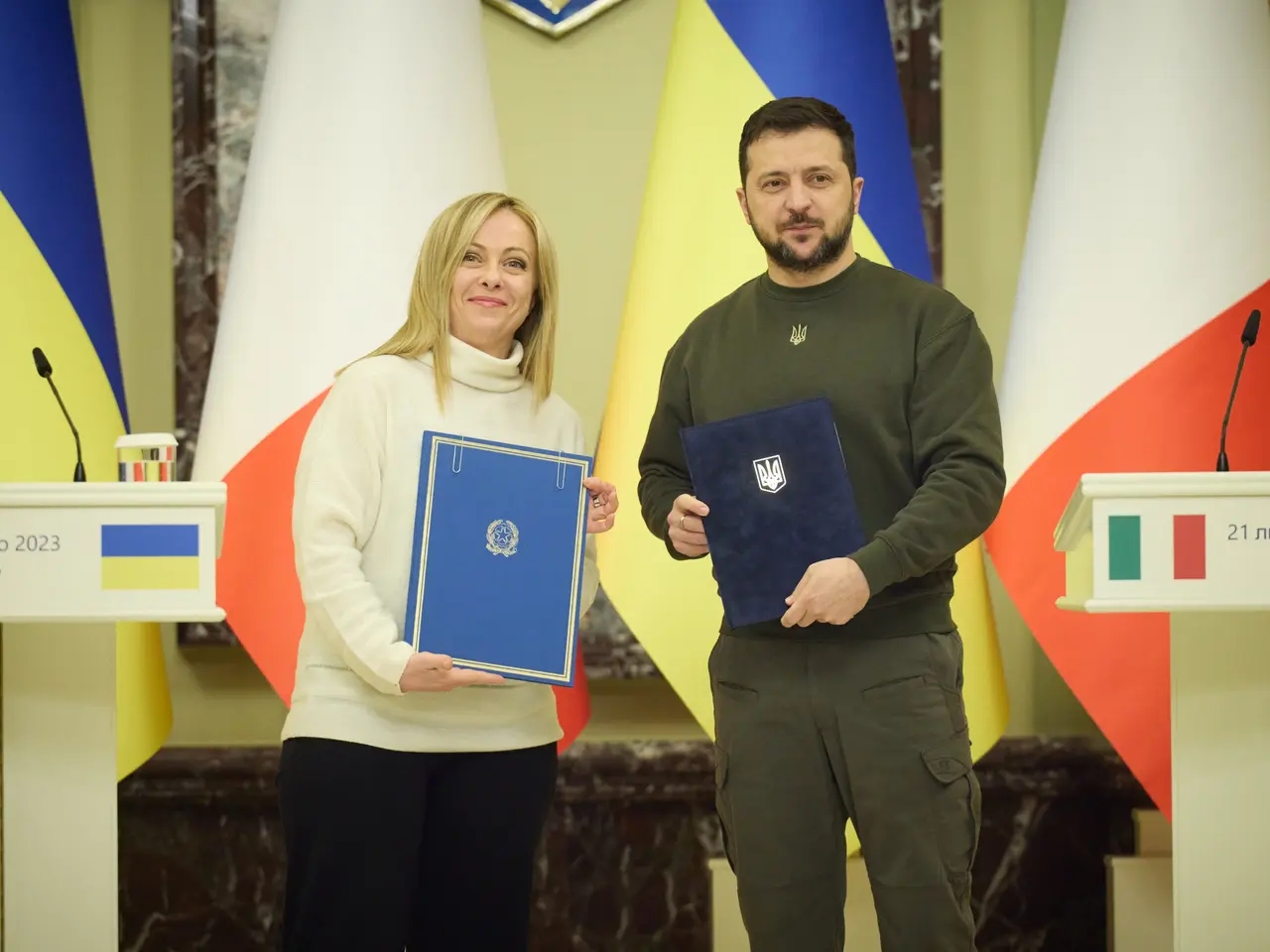
Friedrich Merz suggested it was conceivable that Ukraine could be more closely integrated into European institutions—for instance, by regularly attending EU Council or parliamentary sessions without voting rights. He said he had proposed such measures at the summit and received support for them.
While there had been no open opposition to further aligning Ukraine with the EU during the informal summit, Merz acknowledged that reservations existed within the EU Council and that any negotiations on the matter would be highly challenging.
Regarding the recently approved EU funds for Ukraine, the chancellor urged members of his own cabinet not to use this as an excuse to cut or eliminate bilateral aid commitments. "In any case, I intend to continue cooperation with Ukraine," Merz stated, emphasizing that this was independent of the EU loan package.
Read also:
- American teenagers taking up farming roles previously filled by immigrants, a concept revisited from 1965's labor market shift.
- Weekly affairs in the German Federal Parliament (Bundestag)
- Landslide claims seven lives, injures six individuals while they work to restore a water channel in the northern region of Pakistan
- Escalating conflict in Sudan has prompted the United Nations to announce a critical gender crisis, highlighting the disproportionate impact of the ongoing violence on women and girls.