Minimum wage to increase to 13.90 euros per hour on Thursday - Germany raises minimum wage to €13.90 while CO₂ pricing looms in 2026
Germany is set to introduce two major financial changes this week and next year. On Thursday, the statutory minimum wage will rise to €13.90 per hour. Meanwhile, from 2026, a new CO2 pricing system will push up fuel and heating costs through auctioned emissions certificates.
Around six million workers will see their pay increase, with the hospitality sector feeling the biggest impact.
The minimum wage hike comes into force on Thursday, lifting hourly earnings to €13.90. This adjustment will directly benefit roughly six million employees across the country. Restaurants, cafes, and hotels are expected to face the most significant adjustments as labour costs climb.
Separately, Germany’s CO2 pricing system will change in 2026. Instead of fixed rates, the cost per ton of emissions from heating oil, natural gas, diesel, and petrol will be set by auction. The Deutsche Emissionshandelsstelle (DEHSt) will oversee the process, issuing certificates to determine prices.
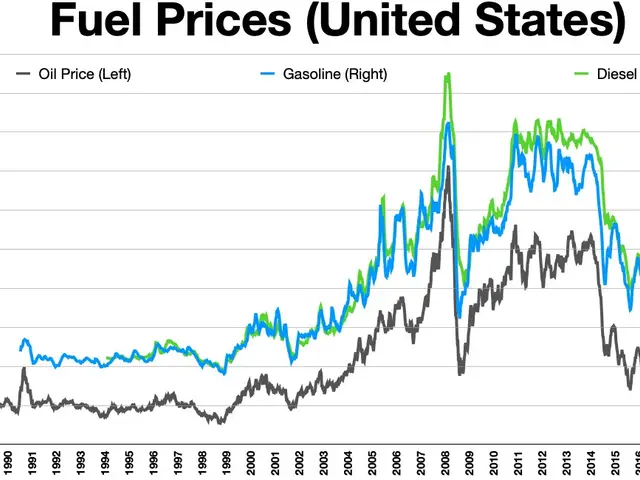
Initially, the CO2 levy will be capped at €65 per ton. Even so, this could raise fuel prices by several cents per litre. The shift aims to make polluters pay more but may also increase living costs for households relying on gas or oil heating.
The minimum wage rise will put more money in the pockets of millions, particularly in low-paying industries. At the same time, the new CO2 pricing mechanism will likely push up energy and transport expenses. Both changes reflect broader efforts to balance fair wages with environmental policies.
Read also:
- Federal Funding Supports Increase in Family Medicine Residency Program, Focusing on Rural Health Developments
- Potential Role of DHA in Shielding the Brain from Saturated Fats?
- Alternative Gentle Retinoid: Exploring Bakuchiol Salicylate for Sensitive Skin
- Hanoi initiates a trial program for rabies control, along with efforts to facilitate the transition from the dog and cat meat trade industry.