Wealthy Advisors Oppose State Relief on Fuel Prices - Germany rejects fuel price cuts, backs long-term gas deals over market intervention
A panel advising German Economy Minister Katherina Reiche has rejected proposals to ease fuel prices through market intervention. The group also urged Germany to secure long-term gas deals while resisting calls to weaken the EU's carbon pricing system. Their recommendations come as energy costs remain high across Europe.
The European Commission has similarly resisted pressure to relax CO₂ pricing rules under the EU Emissions Trading System (ETS). Officials warn that such changes would threaten climate targets and discourage investments in green energy.
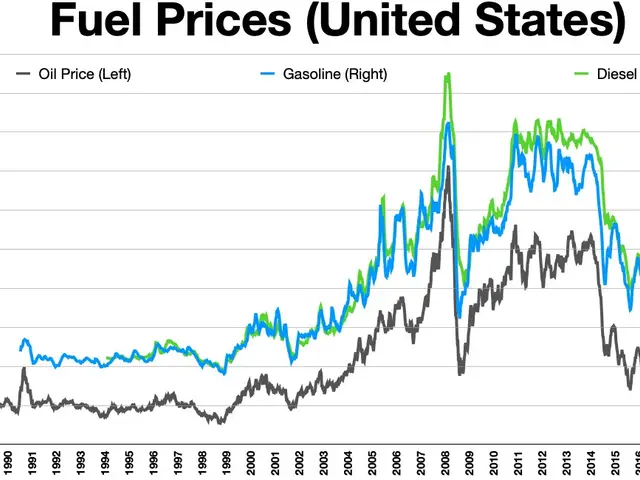
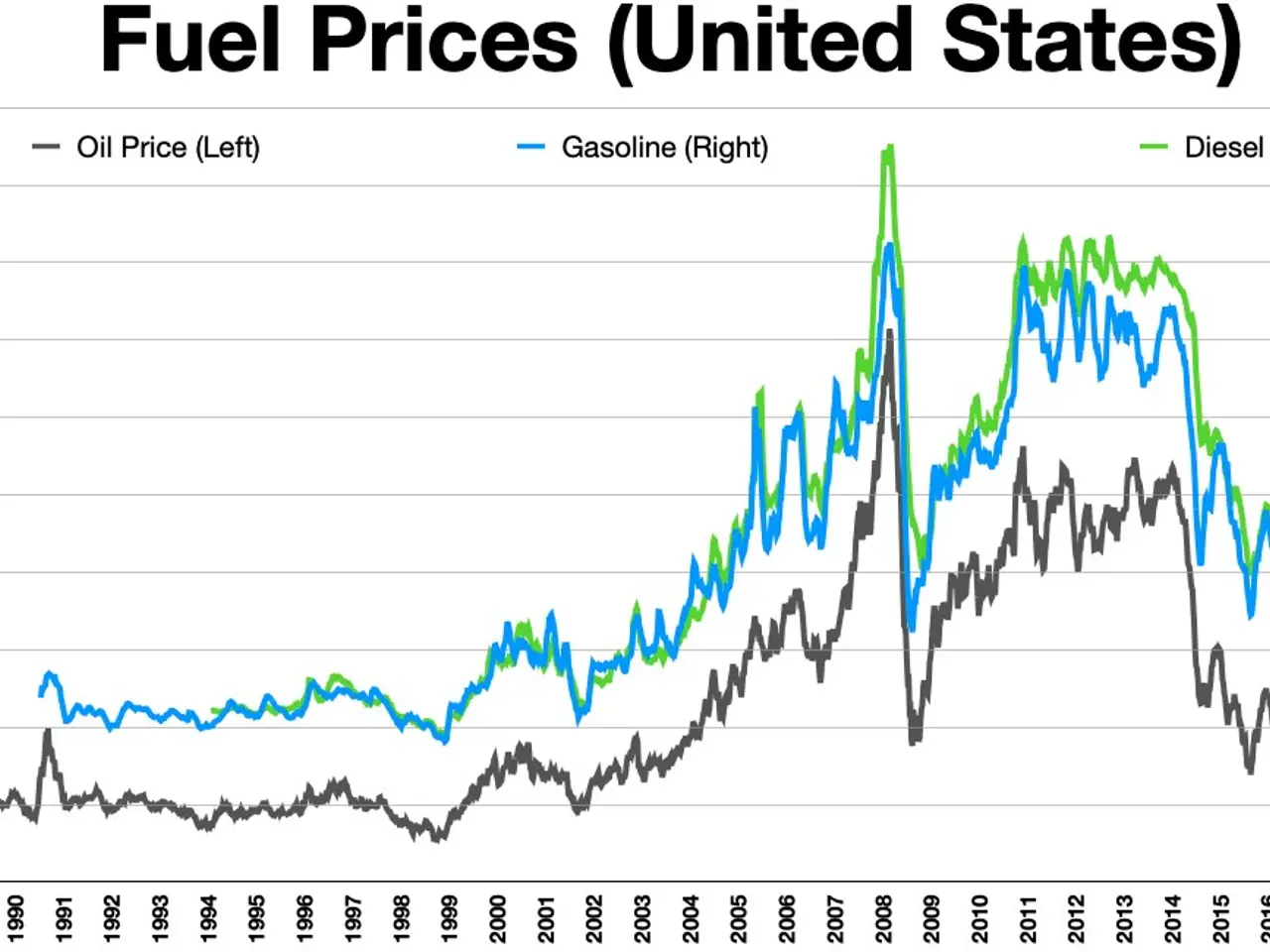
The advisory panel argued that recent fuel price increases reflect natural market forces responding to supply shortages. Instead of intervening with price caps, windfall taxes, or fuel discounts, they stressed the need for cost-effective policies. One key suggestion was for Germany to negotiate long-term gas supply contracts to stabilise future energy costs.
At the same time, the panel endorsed domestic gas extraction through fracking. This move aims to reduce reliance on imports while maintaining energy security. However, they firmly opposed any weakening of the EU ETS, including adjustments to carbon pricing mechanisms.
Meanwhile, the European Commission has held firm on its stance. Despite calls from EU leaders to review the ETS by July 2026, no immediate changes are planned. Commission President Ursula von der Leyen is instead exploring a gas price cap, but the ETS remains untouched. Officials insist that altering carbon pricing would undermine climate efforts and penalise companies that have already invested in decarbonisation.
The panel's recommendations and the Commission's position signal a continued focus on market-based solutions and long-term energy security. Germany is now expected to pursue stable gas contracts while maintaining strict carbon pricing rules. Both moves aim to balance affordability with climate commitments without resorting to short-term price controls.
Read also:
- American teenagers taking up farming roles previously filled by immigrants, a concept revisited from 1965's labor market shift.
- Weekly affairs in the German Federal Parliament (Bundestag)
- Landslide claims seven lives, injures six individuals while they work to restore a water channel in the northern region of Pakistan
- Escalating conflict in Sudan has prompted the United Nations to announce a critical gender crisis, highlighting the disproportionate impact of the ongoing violence on women and girls.