German Army Practices Care for Hundreds of Wounded Soldiers - Germany Tests Mass-Casualty Response in Historic Military Medical Drill
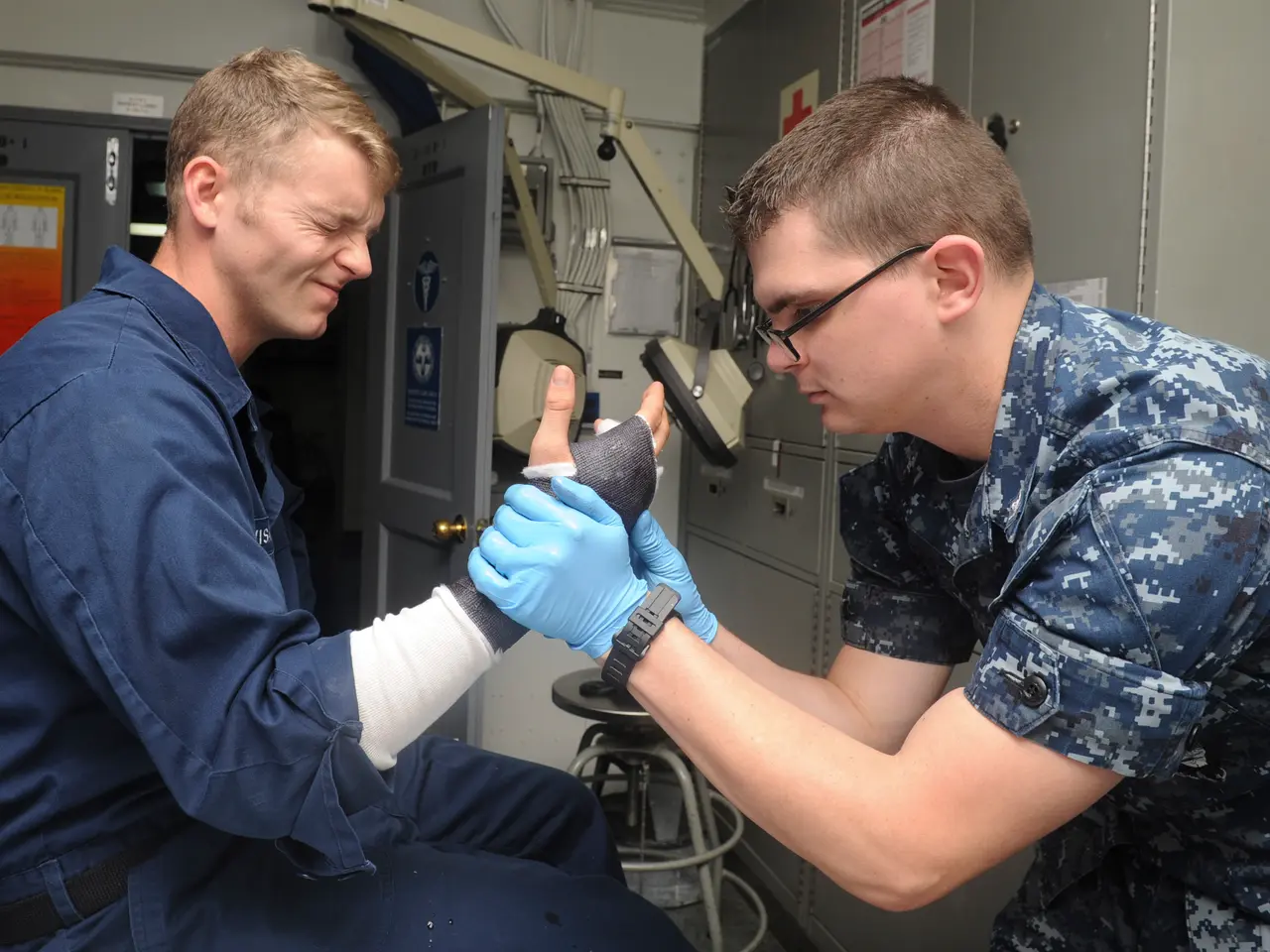
The German Armed Forces (Bundeswehr) have launched their largest medical training exercise in decades. Codenamed Medic Quadriga 2026, the drill simulates the evacuation and treatment of 1,000 wounded soldiers per day—a scenario based on NATO's projections for a high-intensity conflict. The operation marks a major step in integrating military, civilian aid groups, and hospitals for crisis response.
The exercise assumes a worst-case scenario along NATO's eastern flank, where daily casualties could reach four figures. To handle the surge, the Bundeswehr has reprogrammed a critical IT system to track intensive-care patients and streamlined bureaucratic hurdles that might delay treatment. Lieutenant General Ralf Hoffmann, the military's Surgeon General, stressed that no previous drill has tested such extreme conditions. He also highlighted the essential role of civilian healthcare in supporting large-scale military operations.
Defense Minister Boris Pistorius (SPD) is overseeing expanded cooperation between the armed forces, aid organisations, and civilian clinics. Two major German relief groups—the Johanniter-Unfall-Hilfe and Malteser Hilfsdienst—have signed a 'privileged partnership' with the Bundeswehr, formalising their role in future crises. Their personnel will operate under the Red Cross emblem, ensuring protected status in conflict zones, but will not carry weapons or wear military uniforms.
The drill centres on a hub near Berlin Brandenburg Airport, where simulated casualties are transferred for final treatment. Hospitals in Berlin and Brandenburg are involved, though the exact number remains undisclosed. The exercise aims to test how smoothly military and civilian systems can work together under extreme pressure.
The Medic Quadriga 2026 drill runs until its completion, assessing Germany's readiness for mass-casualty scenarios. It reinforces ties between the Bundeswehr, aid groups, and civilian healthcare providers. The findings will shape future emergency protocols for both military and public health systems.
Read also:
- American teenagers taking up farming roles previously filled by immigrants, a concept revisited from 1965's labor market shift.
- Weekly affairs in the German Federal Parliament (Bundestag)
- Landslide claims seven lives, injures six individuals while they work to restore a water channel in the northern region of Pakistan
- Escalating conflict in Sudan has prompted the United Nations to announce a critical gender crisis, highlighting the disproportionate impact of the ongoing violence on women and girls.